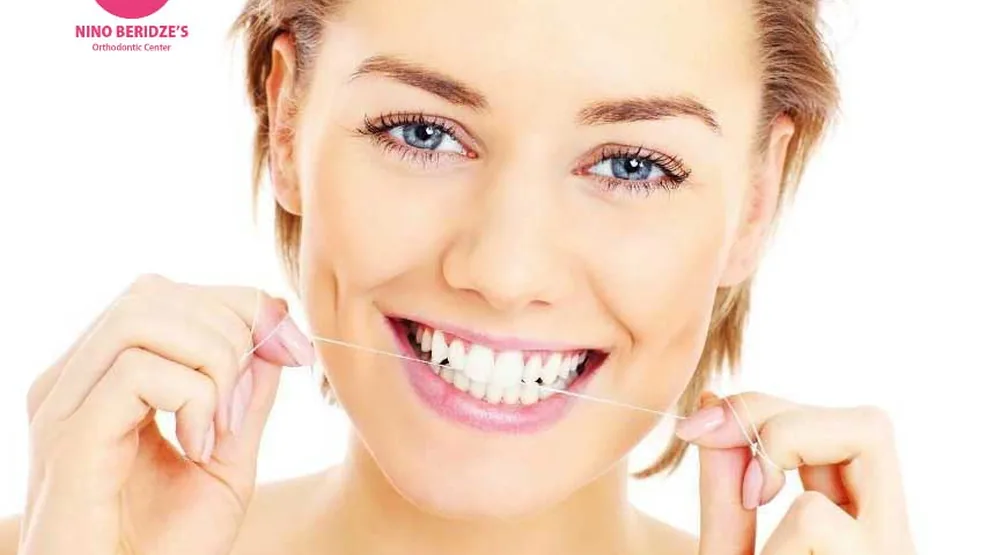
At first glance, what could be easier than brushing your teeth? Brush back and forth, spit, rinse and that’s it. But no – to do it perfectly, you need both practical and theoretical knowledge. That’s why brushing your teeth is an art that requires professional training.
Only a personal, individual approach and the knowledge of the “Nino Beridze Orthodontic Center” can help you change your hygiene habits and keep your teeth and gums healthy for life.
- Learning an innovative toothbrushing technique.
- Individual selection of hygiene products for use at home.
- Recommendations for keeping teeth healthy, white and bright.
Theory
Meet dental plaque – the cause of tooth decay and all kinds of damage. It hides between the teeth, above and below the gum line, where an ordinary toothbrush can’t reach. With neglect and poor hygiene, plaque becomes the cause of tooth damage. That’s why wise dentists begin any conversation with the question: “So, how do you brush your teeth?”
Fact!
Professional teeth cleaning twice a year reduces the risk of gum disease by 80% and caries by 60%.
The most important thing about toothbrushes:
Do you think a hard brush removes plaque better?
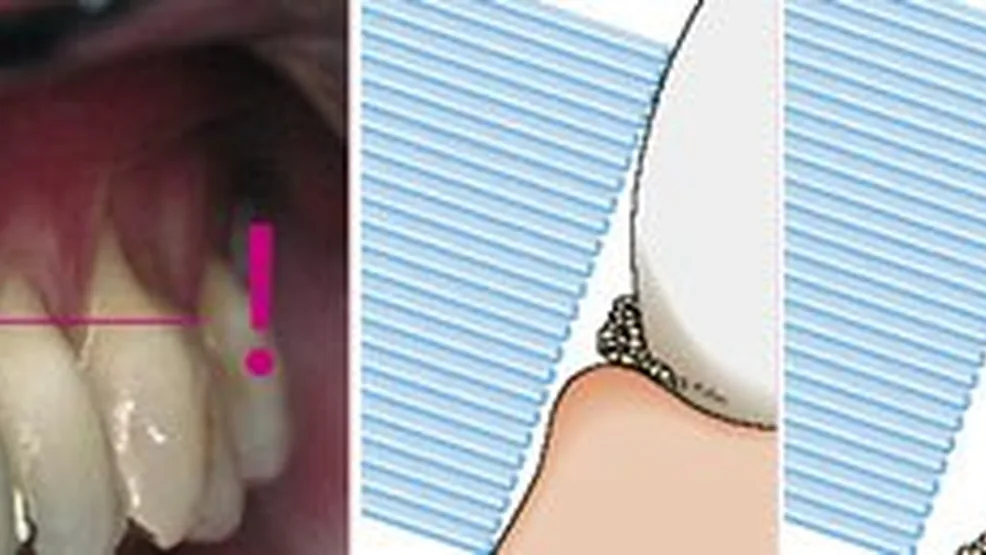
- A hard brush can’t reach hard-to-reach places. And too much pressure is dangerous too!
- Bacterial plaque on teeth is soft. There’s no need to scrape it off! If necessary, it can even be removed with a soft cloth.
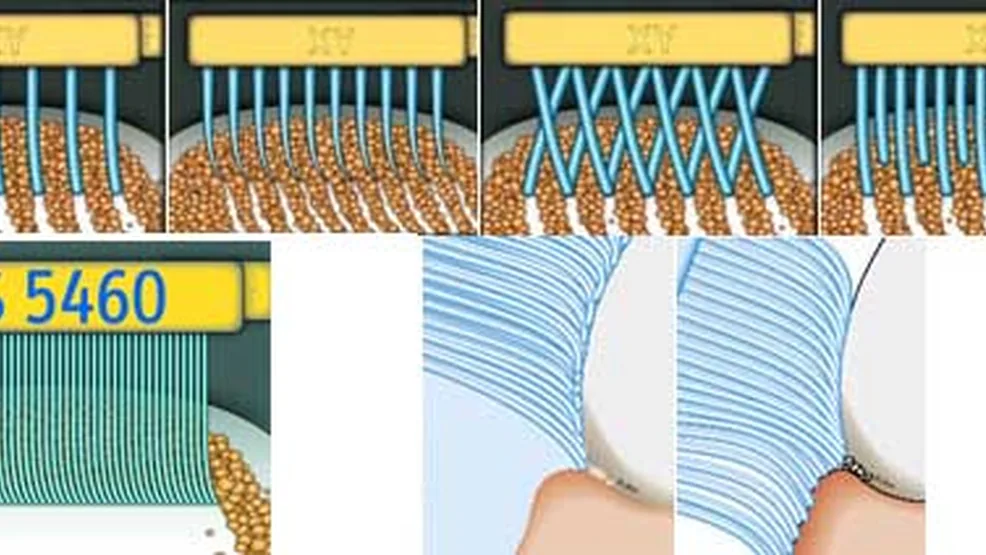
- Even with light pressure, a soft brush adapts perfectly to uneven surfaces.
- Bristle thickness – 0.1 mm!
- 10 times more bristles than an ordinary brush!
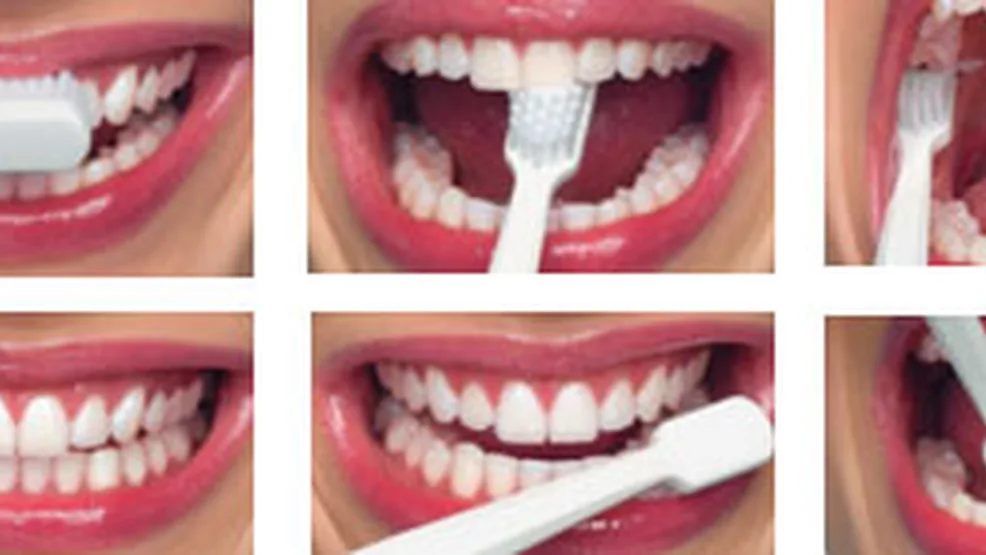
The art of brushing
- Place the bristles at a 45° angle
- 50% of the brush surface – on the gum area
- 50% on the tooth surface
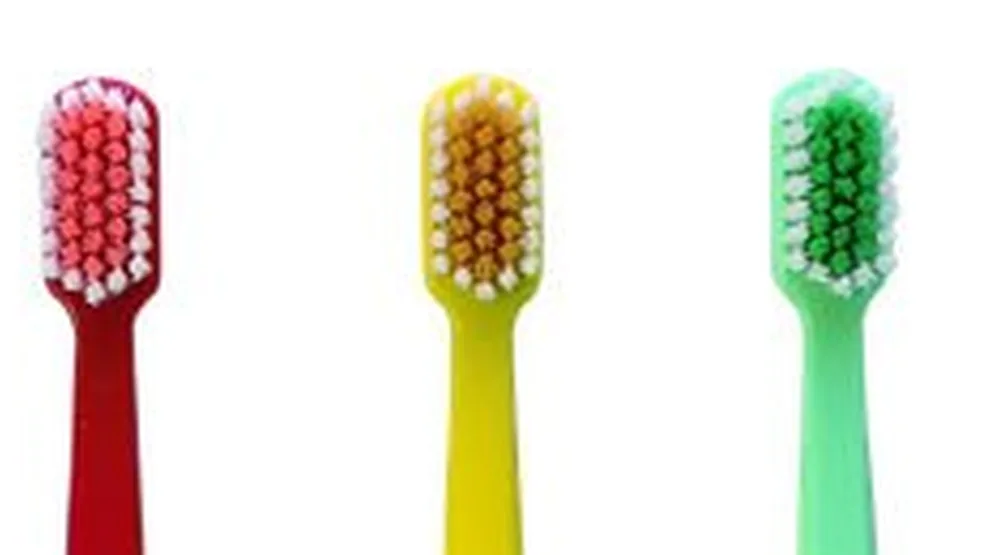
Soft brushes – deep and gentle cleaning of sensitive gum margins, without excess pressure.
Solo technique – cleaning each tooth individually
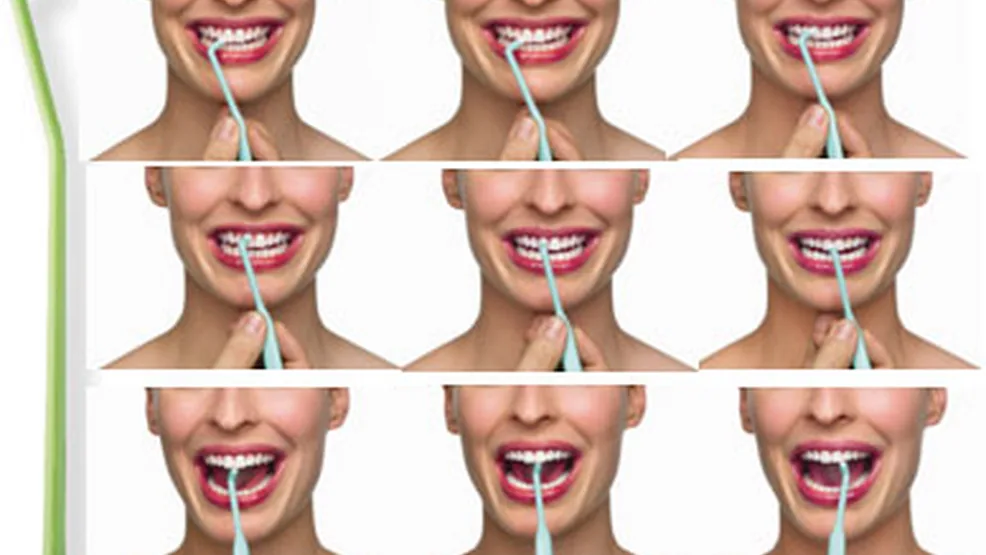
- Each tooth is cleaned one by one
- Complete control of dental plaque
- Ideal for use in the following areas: around implants, on back teeth, around single teeth, braces and prosthetic structures (attachments).
Cleaning the spaces between teeth
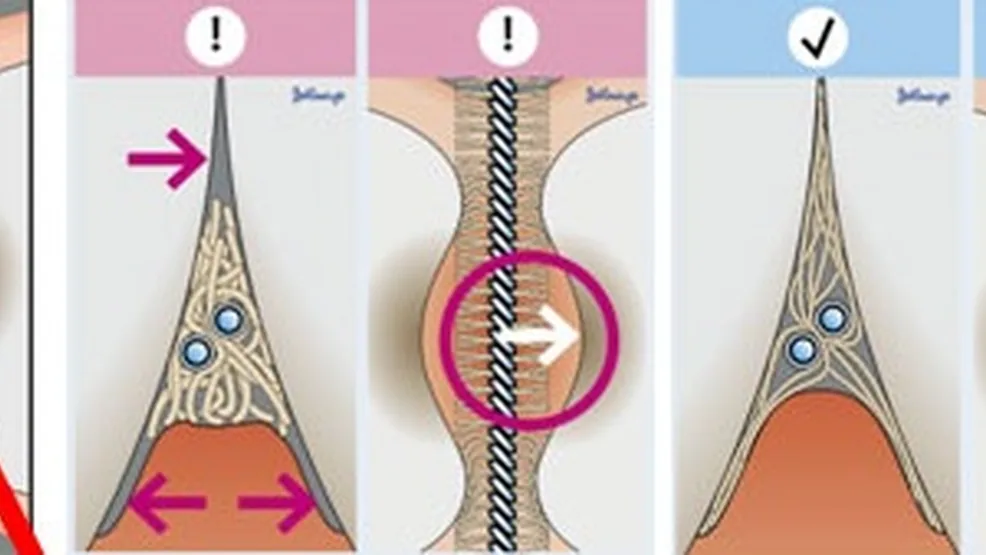
A correctly chosen interdental brush ensures complete control of plaque in the spaces between teeth
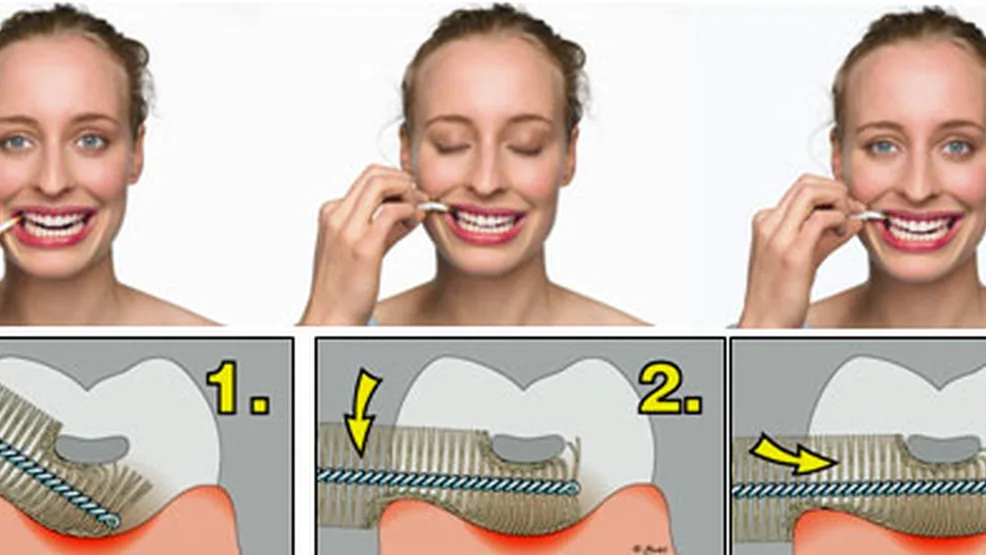
Tongue cleaning
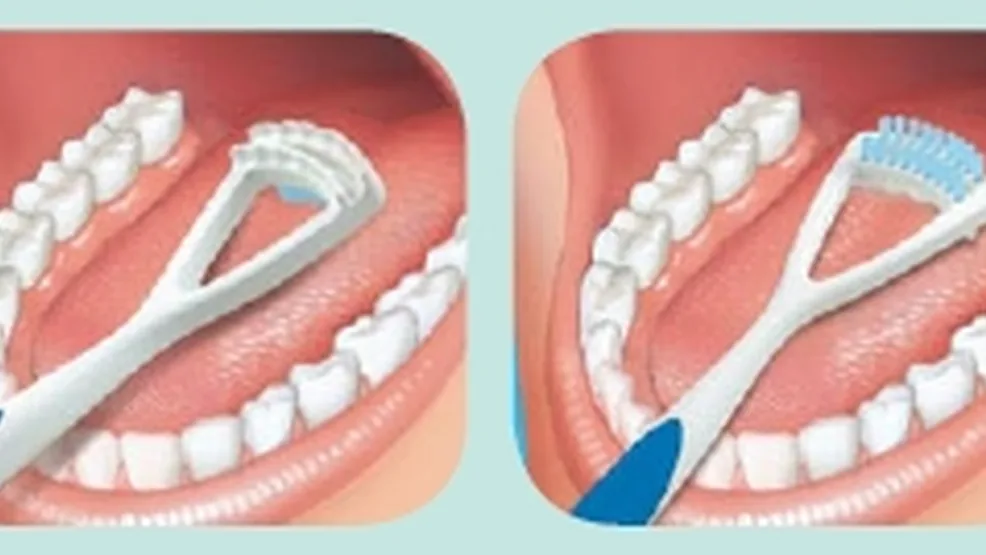
- A lot of food collects in the folds on the surface of the tongue, which feeds bacteria. At the annual meeting of the American Association for Dental Research in Dallas, scientists from the University at Buffalo named the tongue-dwelling bacterium Solobacterium moorei as the main cause of halitosis.
- Use tongue cleaners to remove food debris from the surface of the tongue.