If you are being treated with braces or have veneers, artificial crowns or implants, an oral irrigator is an essential item for you! All of these structures make oral hygiene harder. Soft plaque doesn’t miss its chance: it collects in hard-to-reach places, hardens, and as a result caries can develop.
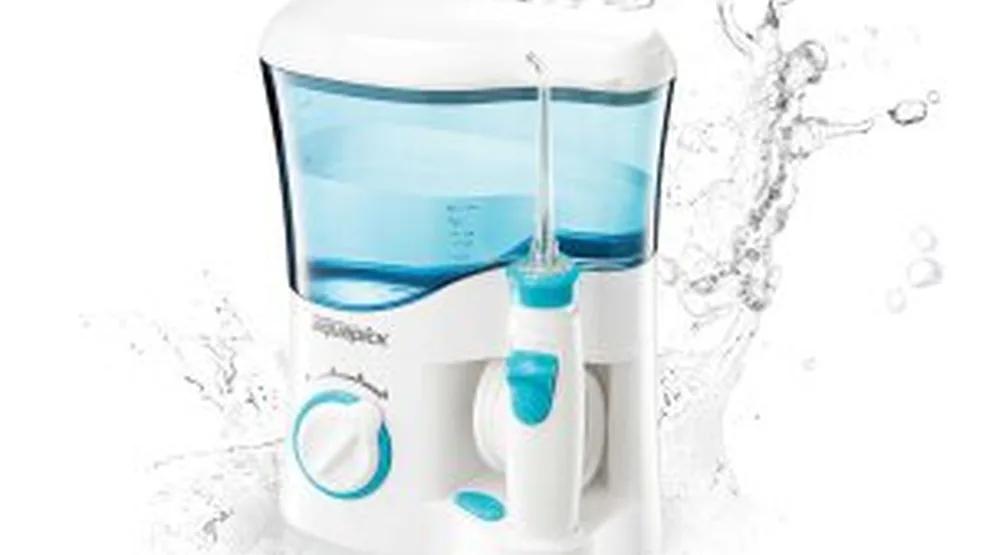
Start using an oral irrigator – it will help you remove plaque.
What is an irrigator?
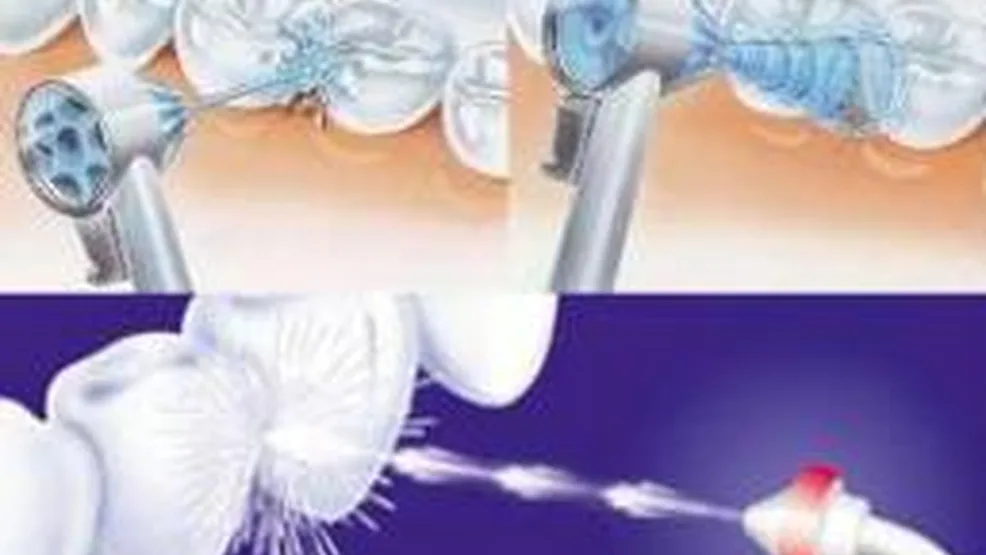
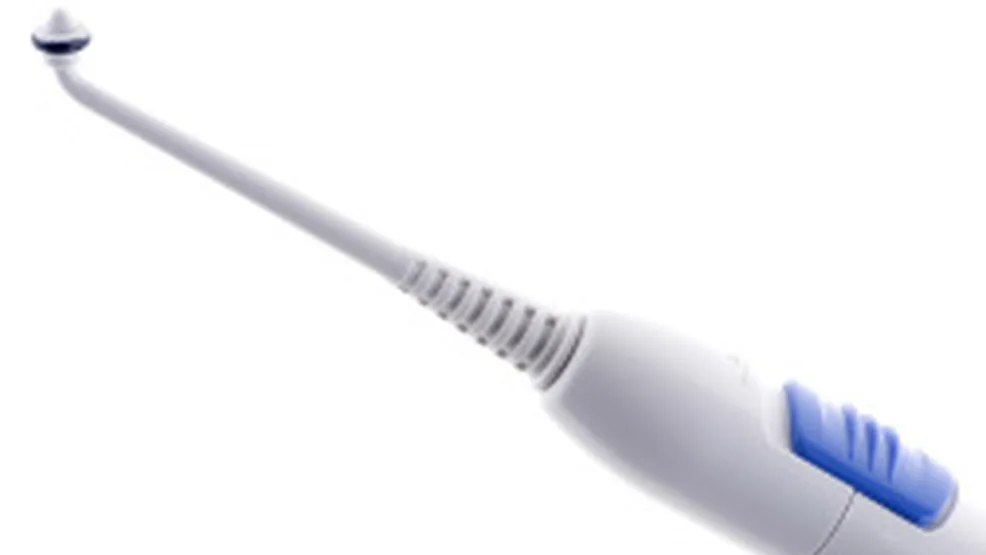
On the outside, a dental irrigator looks like an electric toothbrush, but instead of bristles it has a special nozzle. The device works on the principle of irrigation – hydromassage. A compressor inside the irrigator creates pressure, so a jet of water is delivered to the working surface at a set pressure. Using water pressure, it can clean the spaces between teeth, tooth surfaces, gums, tongue and cheeks. To make the procedure more effective, special therapeutic rinses or antiseptic liquids can be added to the water.
If I have a toothbrush, why do I need an irrigator?
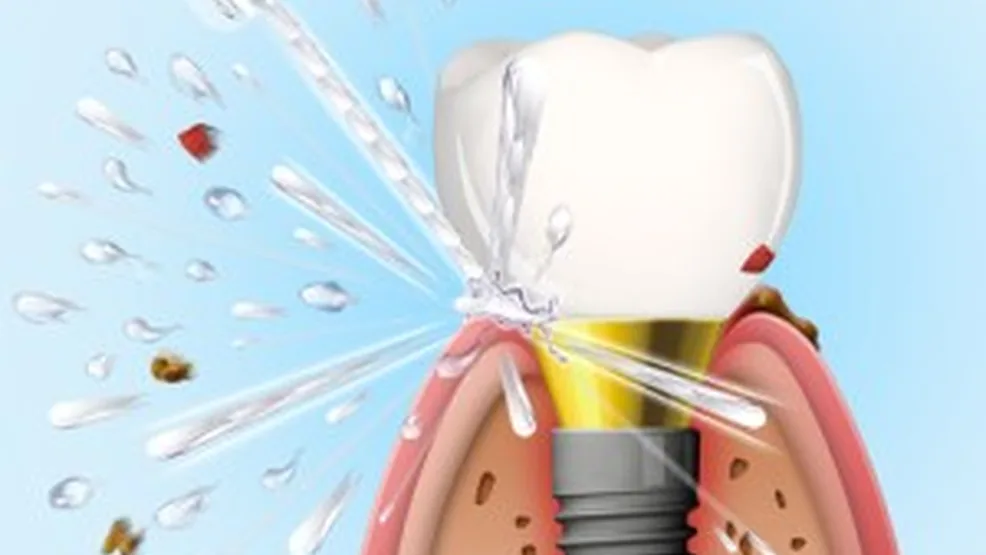
An irrigator is essential when you have fixed structures in your mouth or partially removable dentures, crowns, veneers, lumineers, implants or braces. These prosthetic and orthodontic structures make it harder to maintain good oral hygiene, which later affects the health of your teeth and gums. Plaque building up in these areas can cause cervical caries, as well as chronic inflammation of the tissues around the teeth – gingivitis and periodontitis. An irrigator will help you avoid these unpleasant problems. The water jet from the device can remove food debris and soft plaque from all hard-to-reach places, which neither an ordinary nor an electric toothbrush can do.
Types of irrigators:
- Countertop and portable
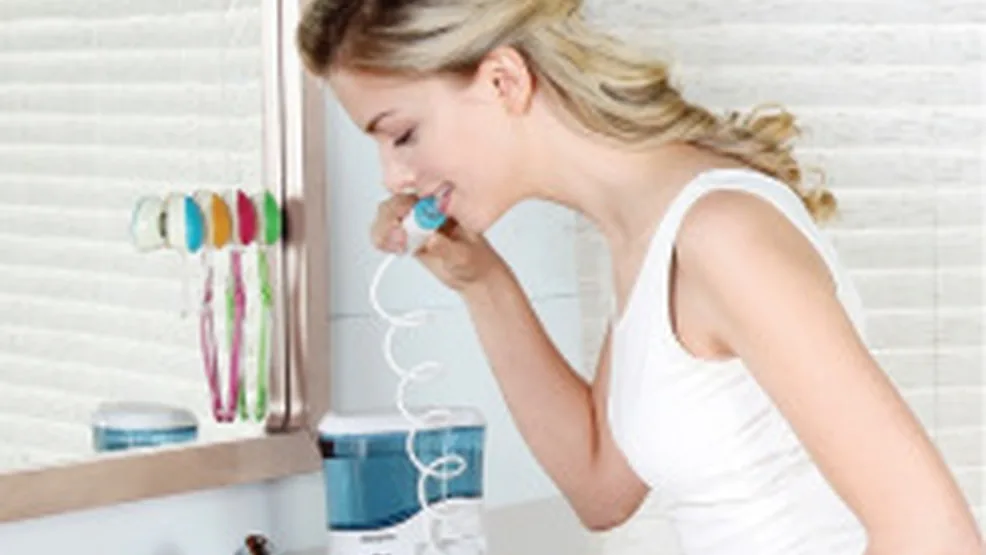
Irrigators come in countertop versions for use at home and portable versions for those who travel a lot or simply don’t have enough space in the bathroom for an irrigator. You may even need both.
- With one or several nozzles
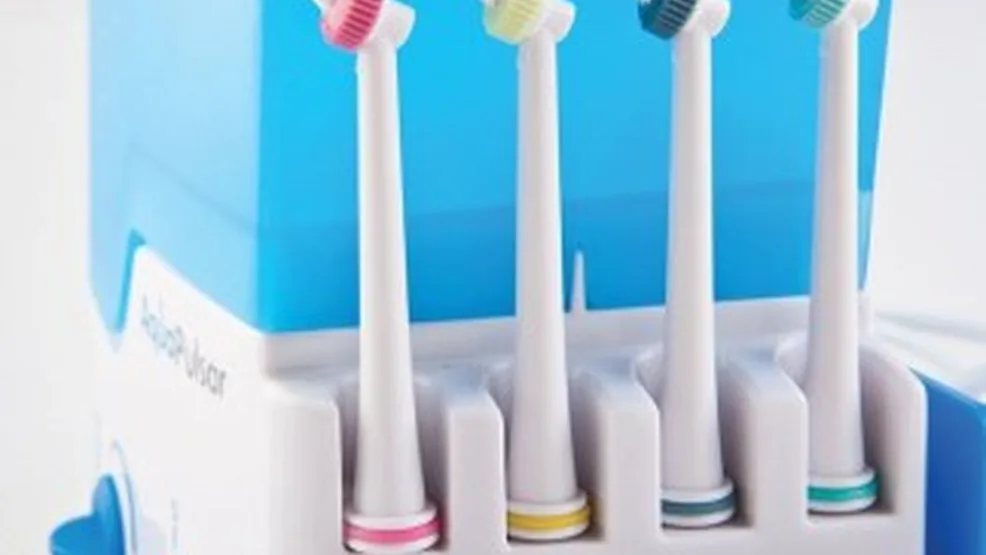
Irrigators have nozzles for different purposes: the main one for the spaces between teeth and gum massage, for tongue hygiene, for cleaning pathological pockets, and for cleaning around braces, artificial crowns, implants, bridges and veneers. You can also buy special nozzles for polishing and whitening teeth. As a rule, there’s no need to buy all the nozzles – a few are enough.
- With a water reservoir or a tap connection
Water can be supplied either from a special water reservoir or from an ordinary tap. The amount of water isn’t a problem, because it can always be easily refilled. If this matters to you, choose an irrigator that connects to the tap.
- Rechargeable and battery-powered
Irrigators can be corded or cordless. There are devices that run on mains power, rechargeable batteries or regular batteries. In addition, manufacturers offer different water jet pressures, pulsation rates and fluid delivery modes – jet and spray.
Remember that using an irrigator doesn’t mean you can forget about your other usual hygiene products! The device gives your teeth cleaning a perfect finish, doing what the toothbrush couldn’t. Extra massage of the gums and the whole mouth improves blood circulation, stimulates tissue renewal, prevents tartar from forming and eliminates bad breath.
Dentists recommend: every home should have an irrigator! Everything can affect the quality of hygiene. Comfort of use is affected by details such as noise level and vibration, as well as the weight and design of the device.