Pulpitis is an inflammation of the tooth’s soft tissue (the nerve) and is a complication of caries. After pathogenic microbes “digest” the hard tissues of the tooth, they reach the soft tissue, and the result is inflammation and sleepless nights.
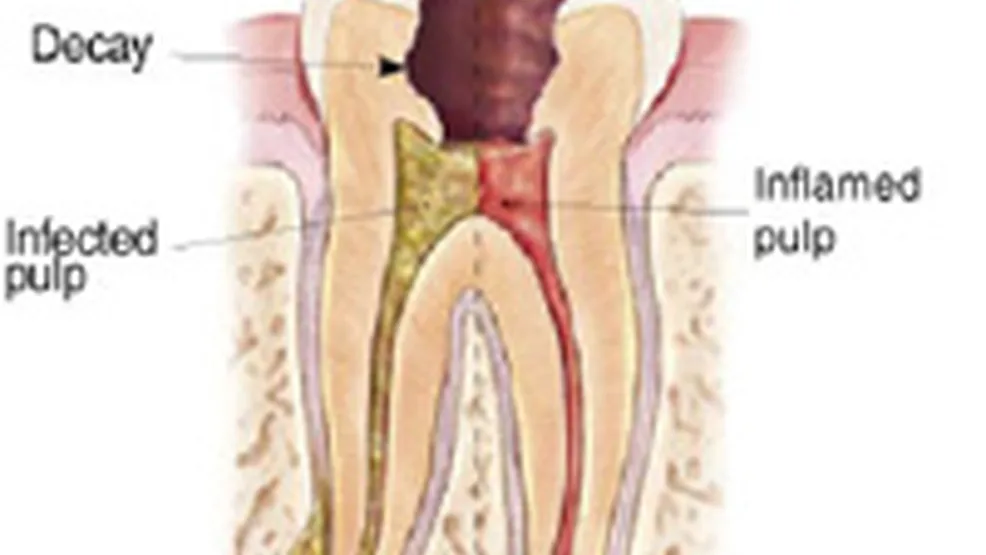
Unfortunately, this condition is very common and comes with the acute pain many people know well. Pulpitis causes acute, spontaneous pain that gets worse at night. The pain may radiate to different areas of the face. As the inflammation of the nerve becomes purulent, the pain increases and starts to throb.
Treating pulpitis, of course, requires anesthesia first. Treatment begins by removing the damaged tissue and creating direct access to the canals. The canals are then cleaned mechanically and with medication, and finally the tooth is dried and filled.
There is also a second treatment method that many of us know well – the so-called arsenic method. Depending on the stage of inflammation and the tooth, arsenic acid “kills” the nerve within 1-2 days, after which the canals are treated following the steps described above. Today this method is used only when the patient is allergic to the available anesthetics.
A biological method of treating pulpitis is also available, in which the vitality of the nerve is preserved with antibiotics and other anti-inflammatory and calcium-containing medications. This treatment is carried out only at a young age and only in certain cases. Unfortunately, the result is not always reliable.
The Nino Beridze Orthodontic Center will help you avoid these unpleasant “adventures”: a timely consultation with our experienced doctors will spare you exhausting, unbearable pain.