The thumb-sucking habit – is a natural reflex that may appear even in the womb. It shouldn’t worry parents: this habit is part of a child’s natural development.

However, if the habit persists after age 5-6, during the mixed dentition period (when both baby and permanent teeth are present), there is a high chance of developing an abnormal bite and incorrectly positioned teeth.
How common are such habits?
According to statistics, 50% of children suck their thumbs in infancy, while only 2% keep the habit until age 12.

This habit has been studied from every angle, and factors such as prolonged breastfeeding, feeding duration, feeding problems and physiological stress have little or no effect on its development.
When should the habit stop? What problems can be expected?
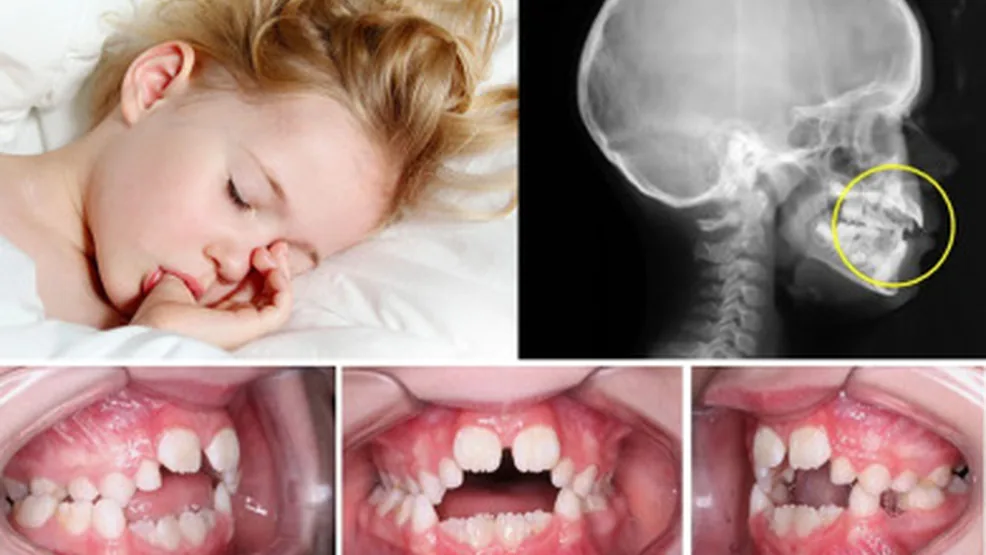
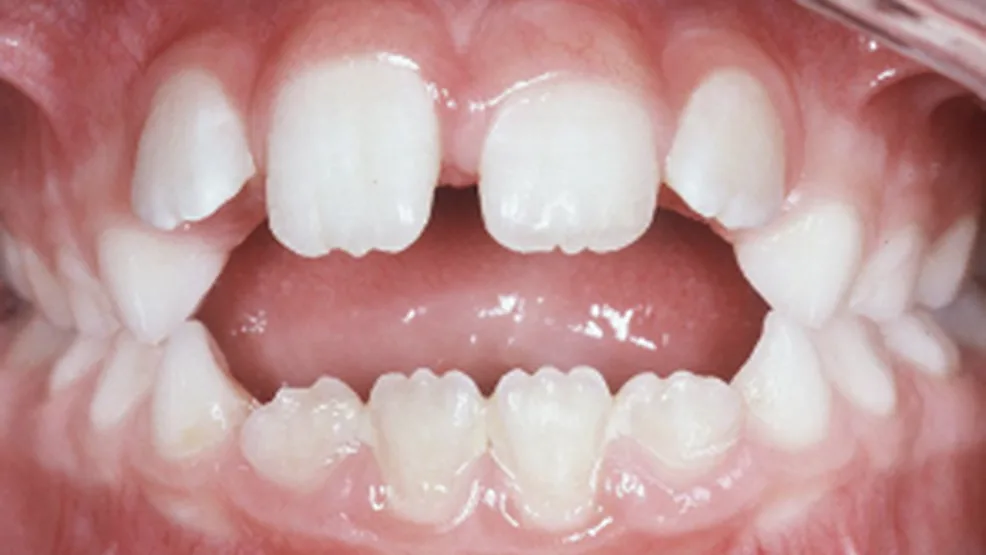
Overall, if the thumb-sucking habit stops before the permanent teeth come in, any changes usually go away on their own. Otherwise, bite changes can be expected that won’t correct themselves without a doctor’s help. Typical signs of such a “bite anomaly” are an anterior open bite and a posterior crossbite.
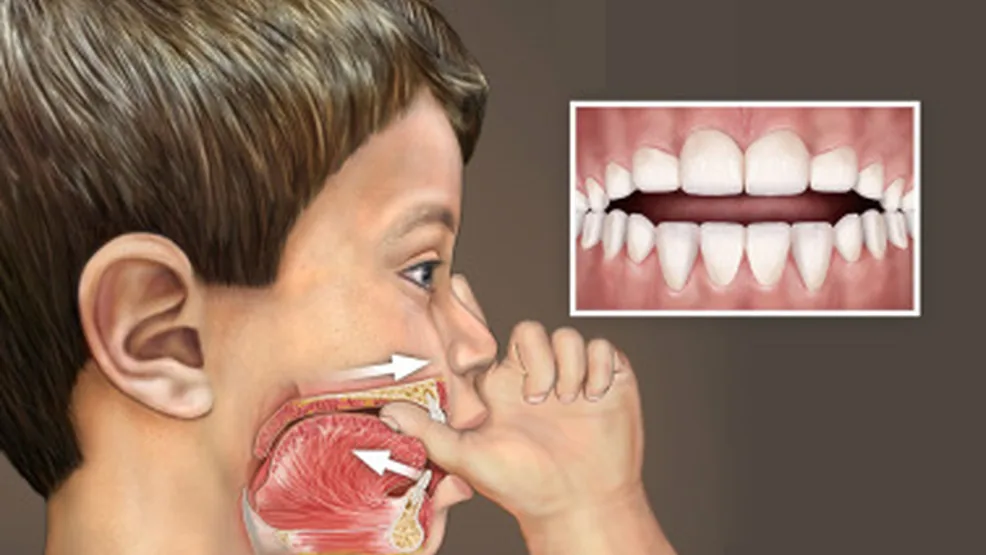
These problems arise from the direct pressure of the thumb on the teeth and from changes in the pressure of the lips, cheeks and tongue on the teeth. The lower incisors may tilt forward or backward, depending on how the thumb pressed on them. An asymmetric dental arch may also develop. A posterior crossbite may develop because the tongue sits too low, while increased pressure from the cheeks during sucking gives the upper jaw a V shape. An anterior open bite develops when the thumb prevents the front teeth from erupting normally while the back teeth erupt further, which is caused by the low position of the jaw – again because of the thumb.
The habit doesn’t always cause teeth to shift. A thumb that stays in the mouth all night can cause more complications than sucking a thumb from time to time.
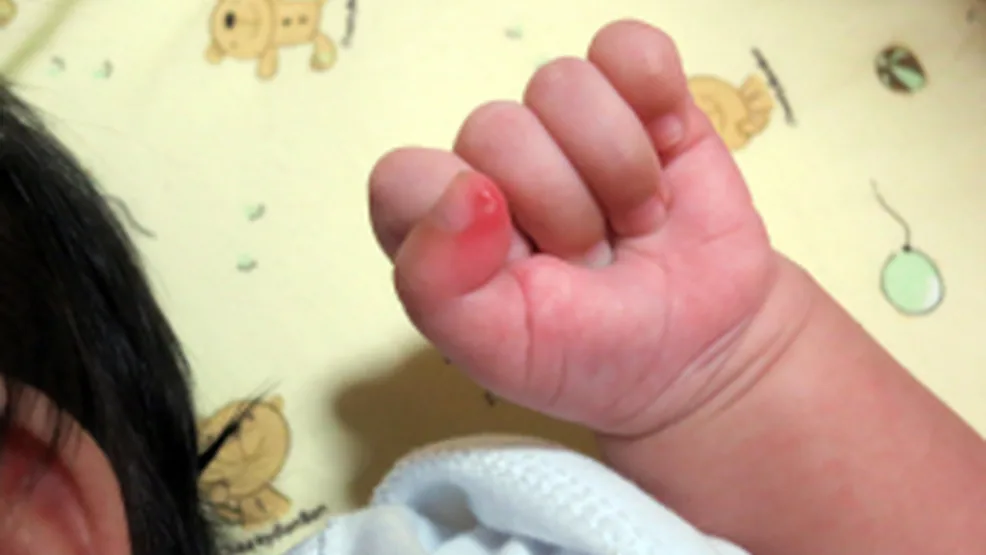
Looking at a child’s fingers can reveal a lot about the habit. Calluses and blisters are a direct sign of thumb sucking.
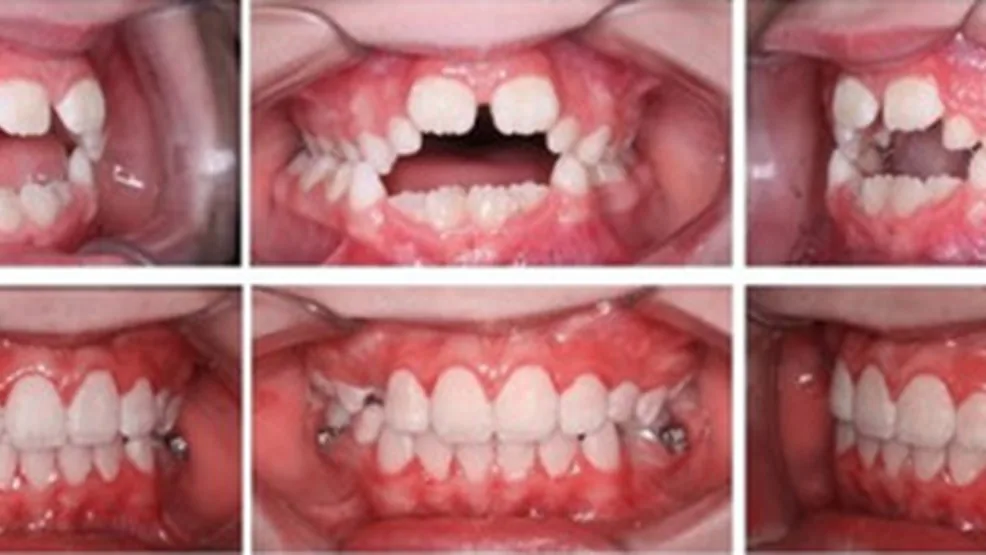
The problems mainly affect the teeth and jaws, but there are studies pointing to changes in the skeleton, especially when growth has stopped but the habit remains. Tongue function may also be affected, in particular tongue thrust when swallowing and changes in speech. If the tongue or lower lip rests in front of the upper incisors, this will contribute to a bite anomaly even after the sucking stops.
How to break the thumb-sucking habit?
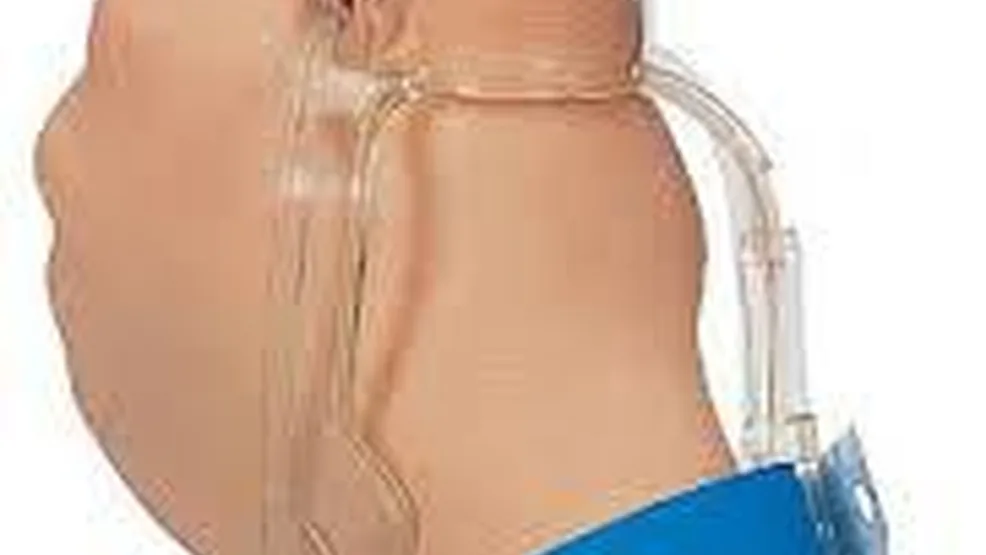
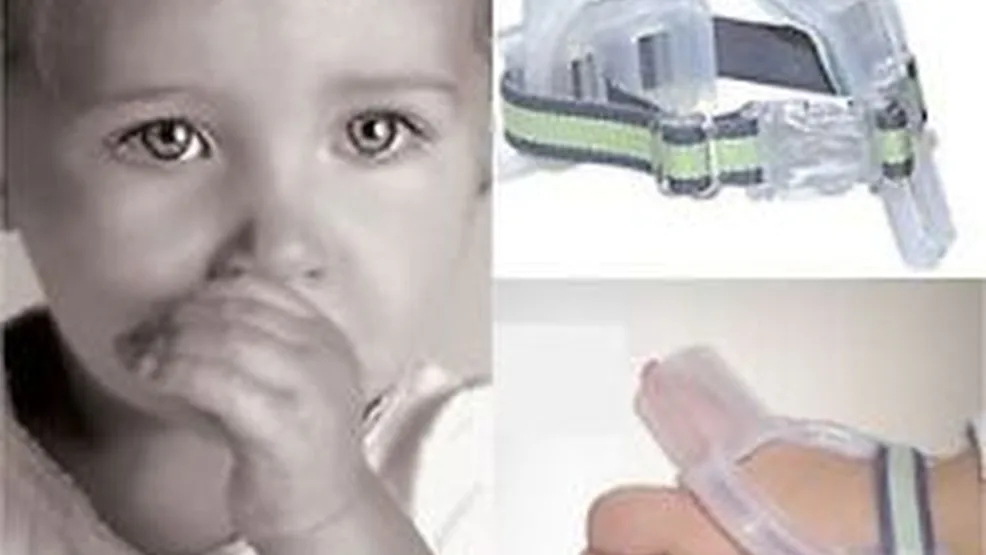
It’s important to break the habit before age 5-6. Most children stop sucking their thumbs without any outside intervention, especially once they spend time away from home (at kindergarten or school). Some children only manage to stop at age 10 or later.
Method one: gentle discouragement
It’s hard to explain to a child that thumb sucking will cause problems and that it would be better to stop this bad habit.
Here it’s better to use helpful aids: special bitter-tasting nail polish, or a bandage wrapped around the finger.
If your child sucks their thumb while asleep, gently take it out of their mouth. However, if the habit is quite strong, it’s better not to do this, as it may also disturb their sleep.
A child aged 6-7 understands the concept of “cause and effect” better. They also have better self-control and can decide to give up the habit themselves. Explain that thumb sucking is harmful for their teeth, their bite and their health in general.
Eventually the child will be ready and will give up the habit. Any attempt to wean a child off thumb sucking should be tactful, constructive and as gentle as possible.
Method two: oral appliances

An orthodontist can fit a removable retainer.
General orthodontic treatment to correct the bite is best postponed until the bad habit has been completely eliminated.
Remember that problems caused by a bad habit can be corrected. If your child hasn’t given up the habit by age 5-6, it’s best to see an orthodontist