Every adult knows what a bridle is. But few know that a frenulum (and more than one) can be found in the human mouth.
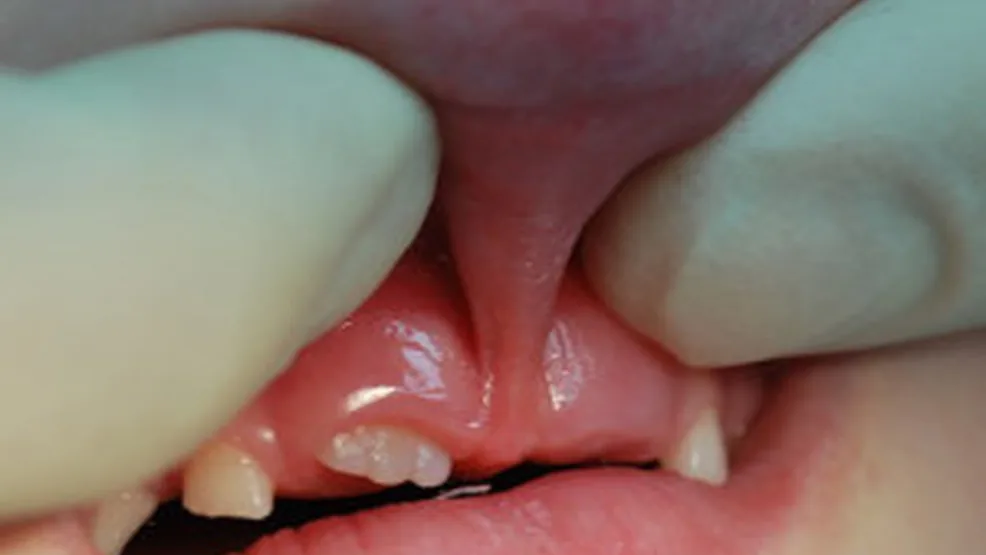
In anatomy, a frenulum is a thin fold of mucous membrane that holds the lips and tongue in the correct position. Frenula are elastic and stretch, allowing a person to speak and move their lips and tongue.
Although human anatomy is the same for everyone, the position, length and elasticity of the frenulum are individual. That’s why some people have a short frenulum and others a long one. These defects can affect a child’s development and require surgery.
A short frenulum – consequences:
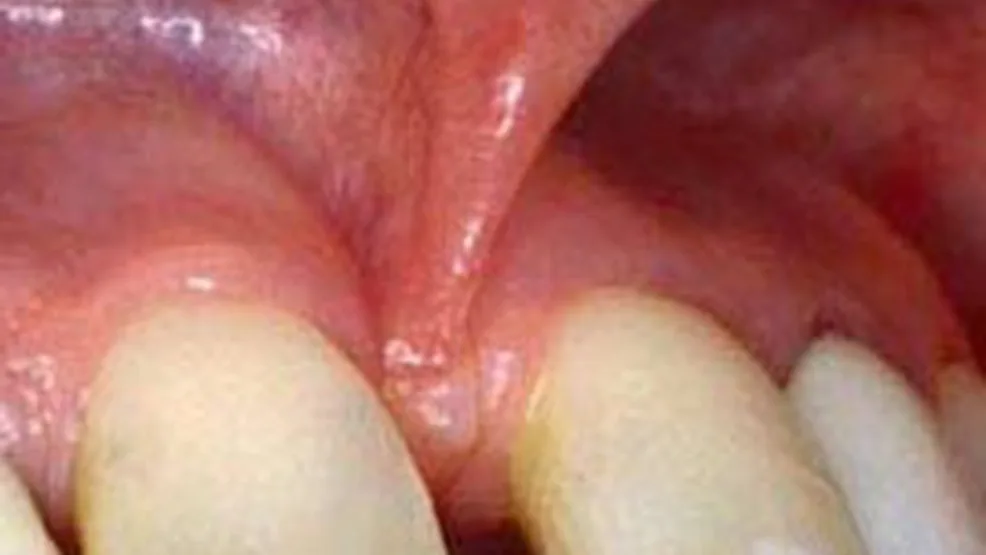
The upper frenulum starts from the middle of the upper lip and attaches between the central teeth, 0.4-0.6 mm above the gum. If a child has a short frenulum, it is noticeable from the very first minutes of life – the baby can’t breastfeed normally, feeding takes a long time and the baby cries.
As a rule, maternity hospital staff immediately recognize the problem and refer the patient to a pediatric dentist.
There are defects that are almost impossible for a non-professional to recognize. If your little one’s development lags behind that of their peers, a short frenulum may be the reason.
An observant parent may notice the problem when the child starts talking – when they have difficulty making certain sounds or lisp. The cause may lie in a frenulum defect.
Effect on the bite:
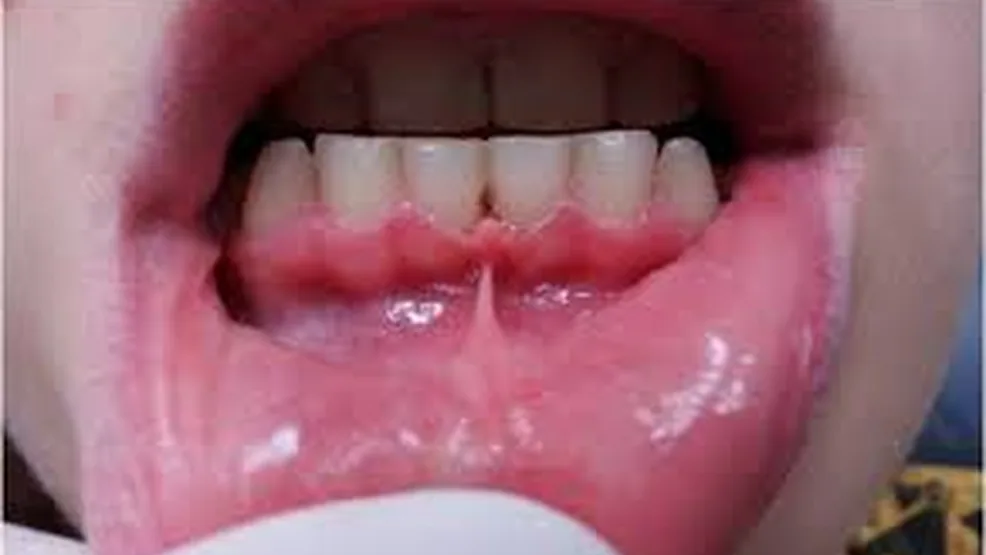
A short frenulum affects a child’s bite and gets in the way of a beautiful smile. For example, a very short tongue frenulum tilts the lower teeth inward. A short upper frenulum “pulls” the upper incisors towards itself. A frenulum that grows between the incisors causes a diastema (gap), while a short lower frenulum not only causes bite anomalies, but also exposes the gums and puts the patient at risk of periodontal disease in the future. Timely correction of a short frenulum prevents these negative effects.
Frenulum correction – at what age is it best done?!
If a child needs upper lip frenulum correction, the best age is between 5 and 9. However, there are situations when intervention is needed at an earlier age. Only a pediatric dentist can determine exactly when the procedure is necessary.
Sometimes a person only finds out as an adult that they have a frenulum problem, so the correction is done at whatever age the patient sees a doctor. But don’t worry: although we recommend having this surgery at an early age, adults tolerate it just as well as children.
Frenulum correction at the request of orthodontists and speech therapists
Because of the nature of their work, these specialists can detect a child’s problem the earliest and give recommendations to the parents.
As a rule, when it is necessary, it is best to have this surgery before starting treatment with a speech therapist or orthodontist. Your child’s health and beauty are in your hands.
How safe is tongue frenulum correction in children
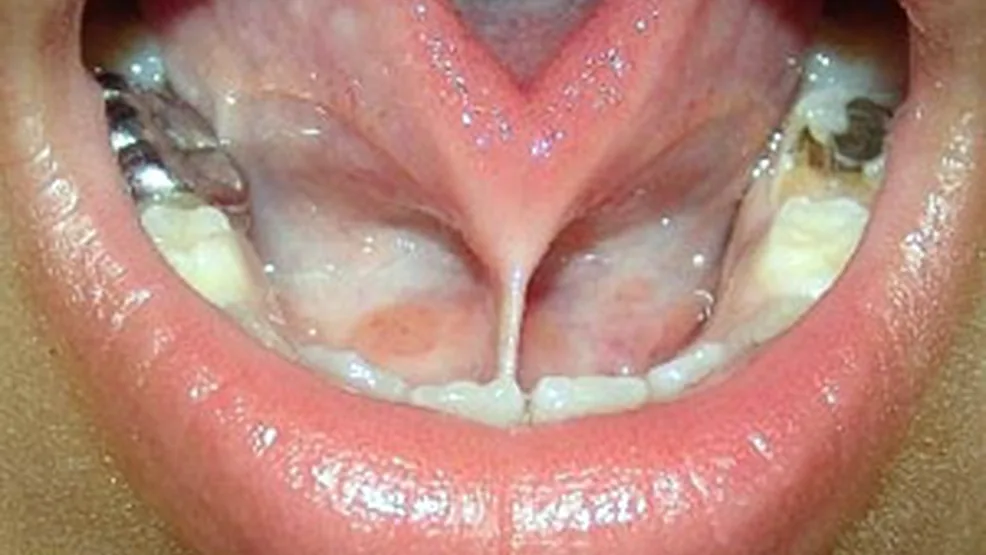
When done correctly, tongue frenulum correction is an absolutely safe procedure. The child’s further development depends on how precisely and properly the surgery is performed. The complexity of the defect determines the best age for the surgery.
It should also be noted that regular dental visits can detect frenulum defects early. Like other parts of the body, the frenulum grows with age, and even if it wasn’t a problem at an early age, it may later need urgent surgery. If a newborn’s frenulum doesn’t cause problems, that doesn’t mean you should skip scheduled visits.