In Georgia, partial or complete adentia – tooth loss – is quite common among adults. Even one missing tooth causes some discomfort, and several missing teeth can seriously affect quality of life. Complete adentia, in turn, leaves a person dentally disabled.
Complete adentia makes eating difficult. Biting and chewing food normally becomes practically impossible. A number of foods disappear from the diet completely. Speech problems develop – the person starts to lisp and involuntarily whistle. The remaining teeth start to shift into the empty spaces, disrupting the physiological relationship between the upper and lower jaws. As a result, temporomandibular joint problems appear, which in turn cause severe headaches, digestive problems and other complications.
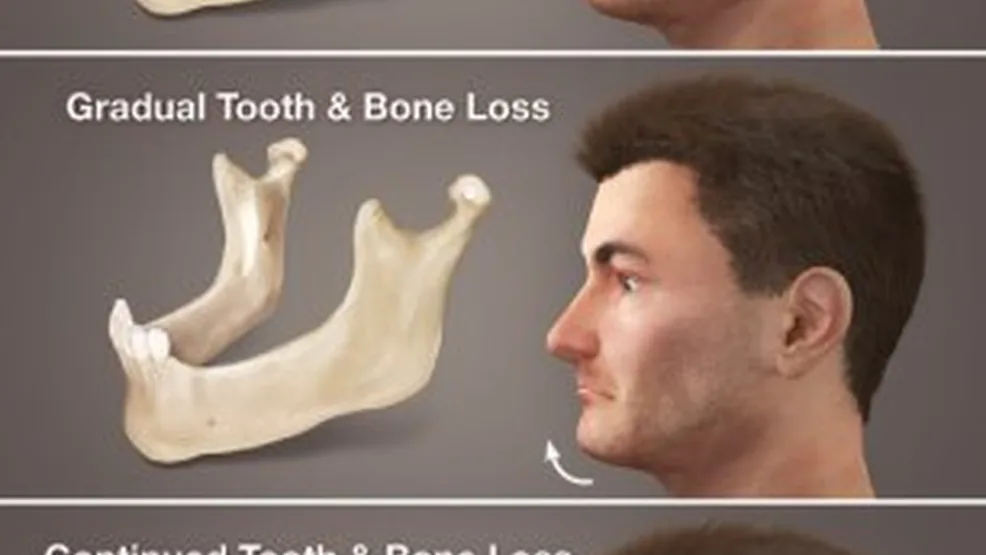
Adentia and changes in appearance
After teeth are lost, the bone is no longer loaded as before and is gradually resorbed. This changes the facial features: the lips sink in, the nasolabial and chin folds become more pronounced, the corners of the mouth droop, the lower jaw becomes smaller and wrinkles appear on the neck.
When talking about the advantages of implantation, its minimal invasiveness matters less, because the main task of prosthetics is first of all to restore lost function. An implant fuses tightly with the jawbone and acts as a reliable support for the artificial tooth. The patient can’t feel the difference between their own teeth and implanted ones, no longer needs to choose what to eat, and speech problems disappear.
Implantation is based on a unique property of titanium (the material implants are made of): fusing with bone, which later came to be called osseointegration.
The first successful dental implantation was performed in 1965 in Sweden. In the 1980s the technology became quite popular in the USA and Europe.
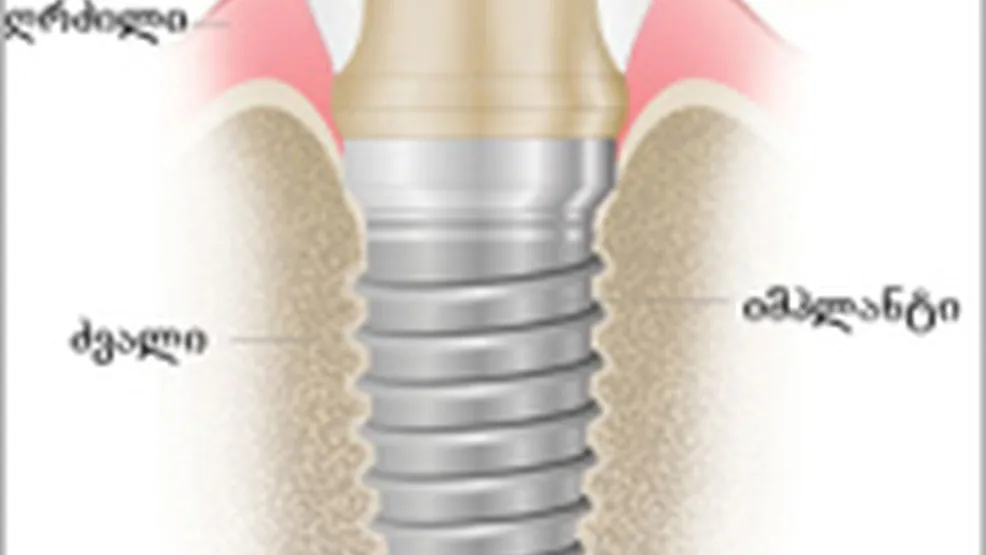
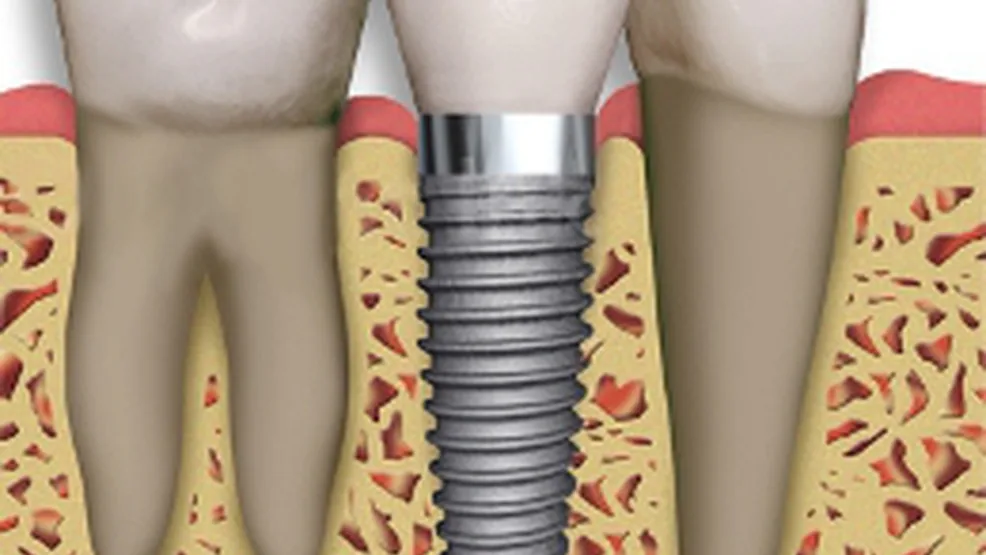
The two parts of an implant
These are the inner part, which mimics the tooth root, and the outer part – the abutment – to which the artificial crown is fixed. There are also other forms of implants that have long since become history, such as blade implants.
There are also mini implants, which don’t undergo osseointegration and are used in orthodontic treatment. With this method, the mini implants must be removed after treatment is finished.
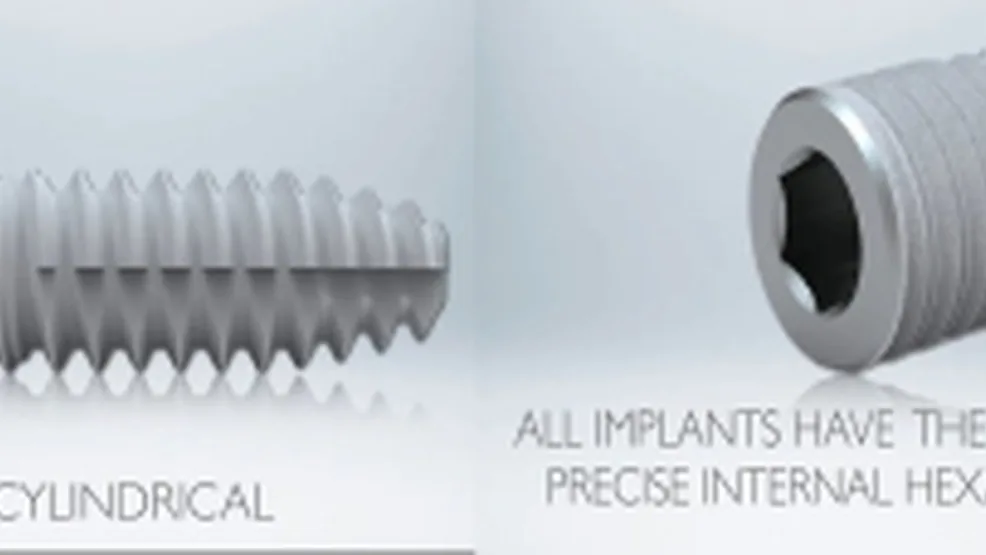

How important is the implant manufacturer?
The implant manufacturer matters. Of course, modern implants are made of titanium and they all integrate, but every system has its own manufacturing features, placement technique and options for subsequent prosthetics. Clearly, a company that has been operating for many years spends a lot of money and energy on scientific research and experiments. Of course, products from leading companies aren’t cheap, but is it worth economizing on something that may serve you for the rest of your life?
The main advantage of implantation is considered to be that the neighboring teeth are left untouched. But this advantage isn’t always clear to patients. When they agree to a bridge, they don’t think about the fact that in 5-7 years the restoration may need replacing, and the ground-down teeth, in the worst case, may need extracting. It’s also worth bearing in mind that an implanted tooth loads the jawbone naturally, preventing it from resorbing. Preserving jawbone mass is another undeniable advantage of implantation. The thing is, long-term wear of bridges, plate or clasp dentures, traumatic extractions and seeking help too late lead to resorption of the unused bone, and its volume becomes insufficient for normal implantation. As a result, the patient needs not only implantation but also bone grafting and, in the case of the upper jaw, a sinus lift (surgery to raise the floor of the maxillary sinus). This problem is quite common, affecting about 80% of patients. Despite the success of this procedure and the various methods of restoring bone tissue, the prospect of a double operation and higher costs scares many patients.
There is a common belief that “not everyone can have implants”
The list of absolute contraindications for implantation is quite limited:
- Mental disorders.
- A severe general health condition.
- Chronic alcoholism.
- Smoking more than one pack of cigarettes a day.
- Irreversibly poor oral hygiene.
The other conditions are on the list of relative contraindications. Even diseases such as diabetes, osteoporosis and clotting disorders are not a 100% contraindication for implantation.
Patients with cardiovascular and oncological diseases are not a direct contraindication either. It’s simply that people with the diseases listed above belong to a risk group in terms of healing and how long the implant will last.
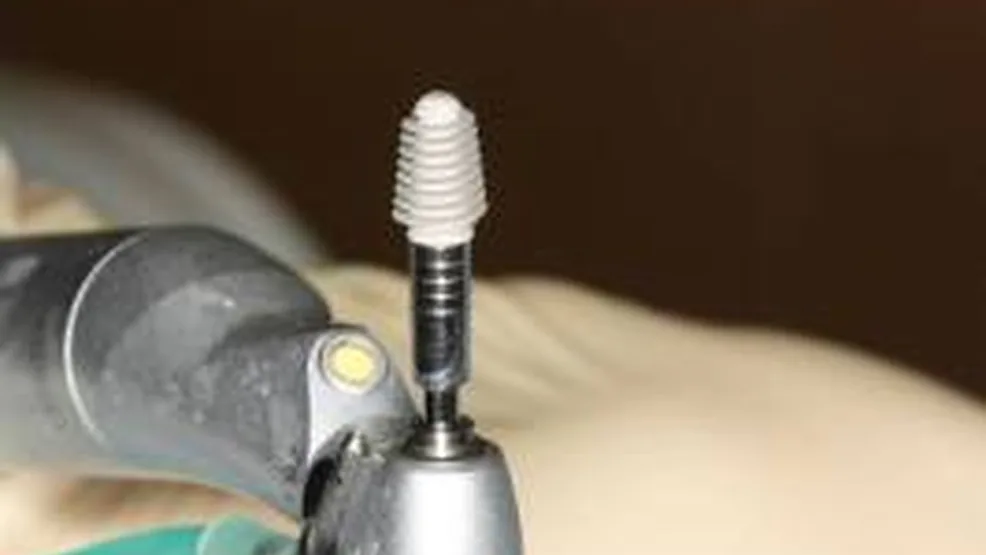
Implants can’t be placed in children, because their jaws are still growing. Implantation can be performed in girls over 17 and boys over 19. An X-ray examination of the growth zones is advisable. As for an upper age limit, there isn’t one – on the contrary, modern implantology recognizes that it is precisely older people who need dental implants. The fact that 90-year-old patients with complete adentia have dozens of implants placed in a single operation is further proof of the procedure’s safety and reliability.
Even so, any dentist – and we too – will tell you that nothing is more precious than your own teeth.