

If you hear clicking from your jaw joint when chewing, find it difficult to open your mouth, or often suffer from pain in the jaw, temple and head area, your complaints may be related to a disorder of the jaw joint function or of the bite. “NB Dental - Nino Beridze Clinic” offers a consultation with a gnathologist and effective treatment of the problems identified.
What Is Gnathology and What Does a Gnathologist Treat?
The jaw joint is one of the most heavily loaded joints in the body. It moves when we chew, speak and swallow, so its function is influenced both by how the teeth come into contact and by the condition of the chewing muscles. If the bite is disturbed or the muscles are overstrained, the load may be distributed unevenly and the function of the jaw joint may also be impaired.
Gnathology is a field of dentistry that studies the functions of the teeth, the chewing muscles and the temporomandibular joint, as well as the relationship between them.
A gnathologist treats:
- jaw joint dysfunction;
- teeth grinding, or bruxism;
- complaints related to bite disorders.
The gnathologist assesses the bite, the condition of the chewing muscles and the function of the jaw joint, identifies the causes of the complaints and plans treatment based on the results obtained.
When Should You See a Gnathologist?
Schedule a visit to a gnathologist if you notice at least one of the signs listed below:
Warning: these symptoms can also occur with other conditions, for example, neurological or ear, nose and throat problems. If examinations in other fields have not identified the cause and the complaints persist, gnathological diagnostics is needed.
Why Is Timely Treatment Important?
With jaw joint dysfunction, complaints may worsen without treatment. If the load on the teeth is distributed unevenly, the enamel wears down faster and cracks may appear. With prolonged overload, the risk of damage to the supporting tissues also increases.
If the problem is detected at an early stage, treatment is simpler and more effective. In some cases, using a splint and correcting the bite is enough, while with long-standing dysfunction the process may take longer. That is why a consultation with a gnathologist is recommended as soon as the first symptoms appear.
How Do the Consultation and Treatment with a Gnathologist Proceed?
At the clinic, gnathological treatment includes four main stages.
Consultation and diagnostics
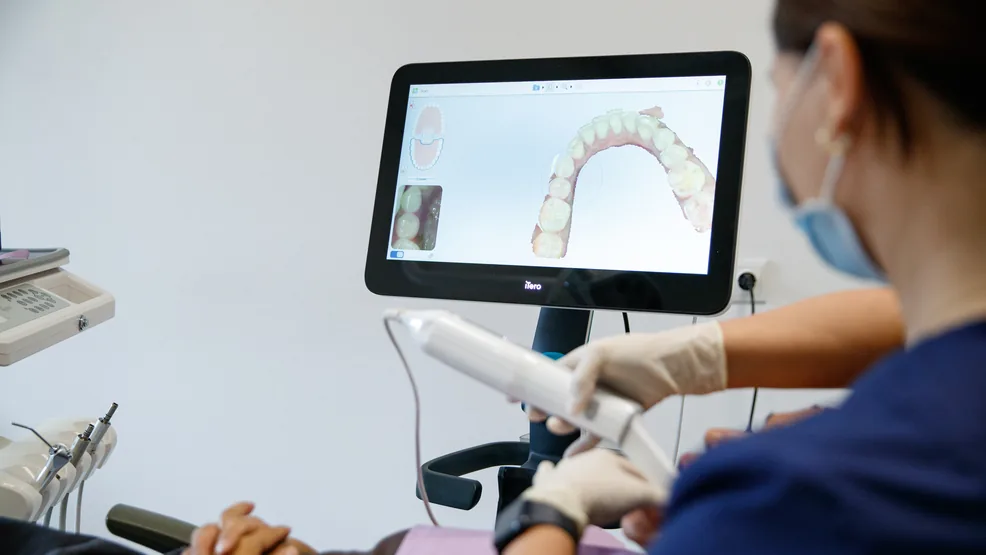
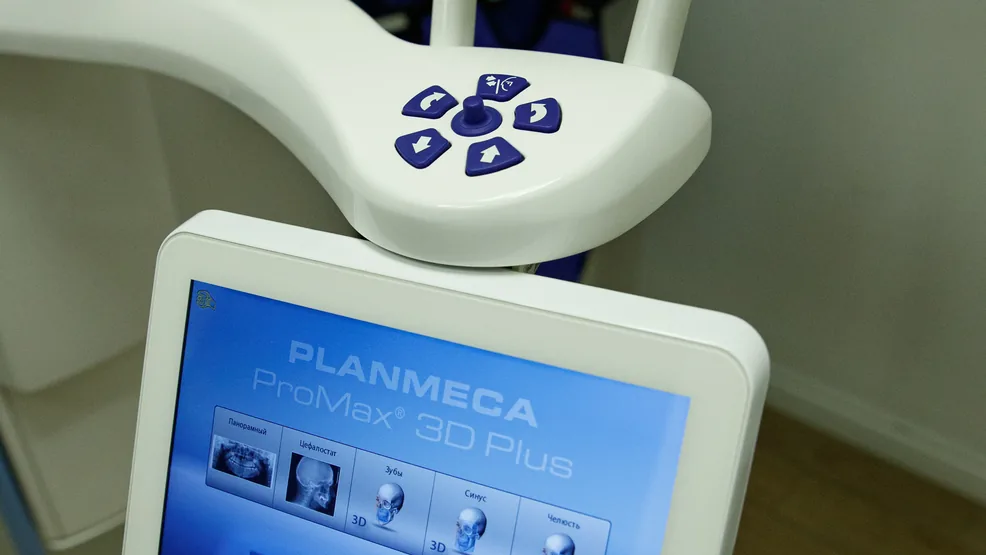
At the first visit, the gnathologist will learn about your complaints and check the movement of your jaw, the condition of your chewing muscles and your bite. If necessary, 3D diagnostics will also be carried out to assess the bony structures of the jaw joint.
Drawing up a treatment plan
Based on the diagnostic results, the gnathologist determines the cause of the complaints and draws up a treatment plan.
Treatment
Treatment follows the plan drawn up in advance. The gnathologist periodically assesses the condition of the jaw joint and chewing muscles and, if necessary, makes changes to the plan.
Maintaining the result
Once the symptoms have eased, the gnathologist will assess the result achieved and check whether additional bite correction is needed. If the teeth have been damaged by wear, their restoration is planned together with aesthetic dentistry specialists. During follow-up preventive visits, the gnathologist monitors the condition and checks whether the complaints have returned.
Which Treatment Methods Are Used in Gnathology?
A special transparent splint is often used. The splint reduces the load on the chewing muscles and the jaw joint and also protects the teeth from wear caused by grinding.
If the complaints are related to incorrect contact between the teeth, bite correction may also be needed. In some cases, orthodontic treatment is prescribed for this, and the gnathologist and the orthodontist work together on its plan.
In most cases, gnathological treatment does not require surgical intervention. Surgery may be considered only in cases of severe joint damage, when the desired result cannot be achieved by other methods.
Why Do Patients Trust “NB Dental - Nino Beridze Clinic”?
Our dental clinic in Tbilisi has been serving patients since 2010. The clinic's main field is orthodontics, but specialists from other fields also take care of patients' oral health. With the involvement of a multidisciplinary team, gnathological diagnostics, treatment and evaluation of results take place in one space.
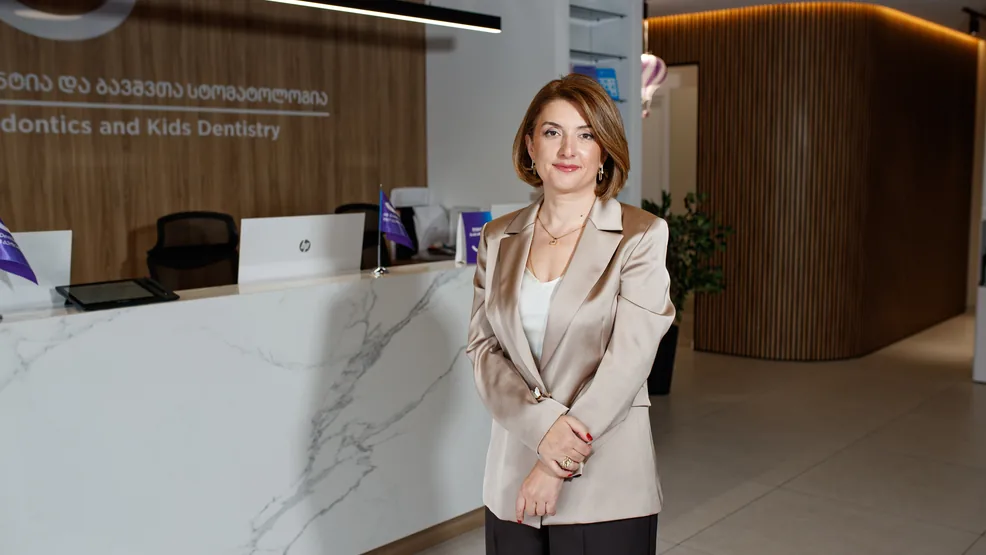
During the visit, the gnathologist carefully listens to the patient's complaints, answers questions and explains the stages of treatment in advance. This helps the patient know, before treatment begins, which procedures are planned and why each of them is necessary.
In complex cases, the gnathologist draws up the treatment plan together with other specialists. For example, if the patient also has gum problems, a periodontist joins the process, and the specialists determine the sequence of procedures together. With this approach, the diagnostic results, the condition of the bite and other dental problems are taken into account in a single treatment plan.
Book a Consultation with a Gnathologist
If you are troubled by jaw clicking, pain in the temple area, difficulty opening your mouth or teeth grinding, schedule a visit to the gnathologist at “NB Dental - Nino Beridze Clinic”. To book a consultation, contact us at (032 2) 32 22 27 or email us at info@nbdental.ge.
The clinic is located in Saburtalo, at 1a Davit Tavkhelidze Street, and receives patients from Monday to Saturday inclusive, from 09:30 to 20:00.
Frequently Asked Questions
How is a gnathologist different from an orthodontist?
An orthodontist corrects the position of the teeth and the bite, while a gnathologist assesses the relationship between the jaw joint, the chewing muscles and the bite. In some cases, both specialists take part in treatment and draw up the plan together according to the patient's condition.
Is gnathological treatment painful?
In most cases, gnathological diagnostics and splint treatment are not painful. In the first days of wearing the splint, you may feel mild discomfort, which will decrease as you get used to it.
How long does gnathological treatment take?
The duration of treatment depends on the type and complexity of the problem and differs for each patient. The gnathologist determines the estimated timeline after diagnostics and drawing up the treatment plan.
Does jaw clicking always indicate a disease?
No, occasional and painless clicking does not always indicate a problem. If the sound recurs often and is accompanied by pain, difficulty opening the mouth or limited jaw movement, a consultation with a gnathologist is recommended.
Do children need a gnathologist consultation?
In childhood, the jaw and dental system is still developing, so the condition of the bite is mainly assessed by pediatric dentists and orthodontists. If a child has complaints related to the jaw joint, chewing muscles or bite, a gnathologist will also join the treatment if necessary.
Is treatment possible without surgery?
Yes, in most cases treatment proceeds without surgical intervention and may include the use of a splint and bite correction.