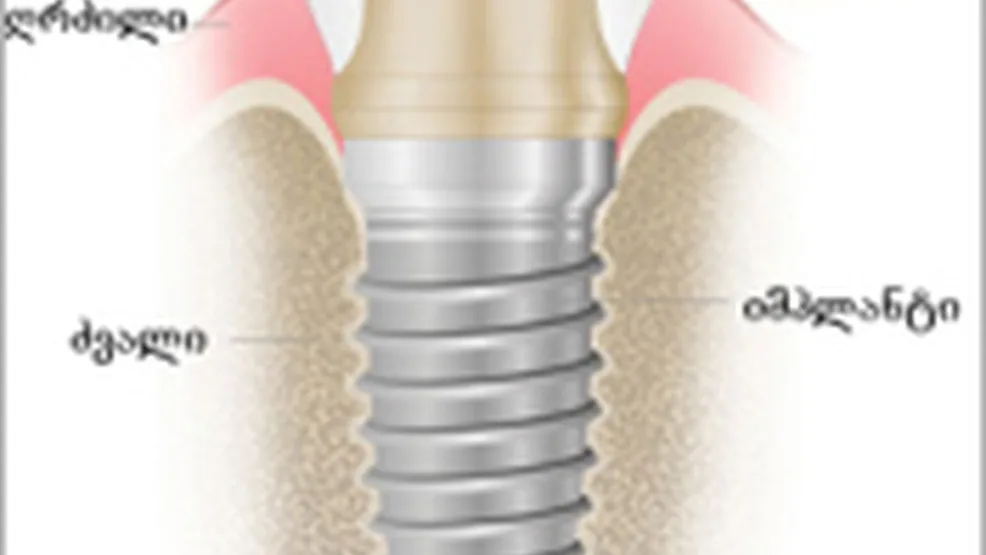
Today, we’ll discuss how to prepare for dental implant surgery, including which pre-operative examinations are necessary and the procedure’s indications and contraindications.
In other words, we’ll cover what you, the patient, need to do to ensure every stage of your implant treatment goes smoothly and safely, without unnecessary expense, time, or stress.
Let’s start with the indications and contraindications.
The indications for dental implants include:
The absence of one, several, or all teeth (excluding wisdom teeth).
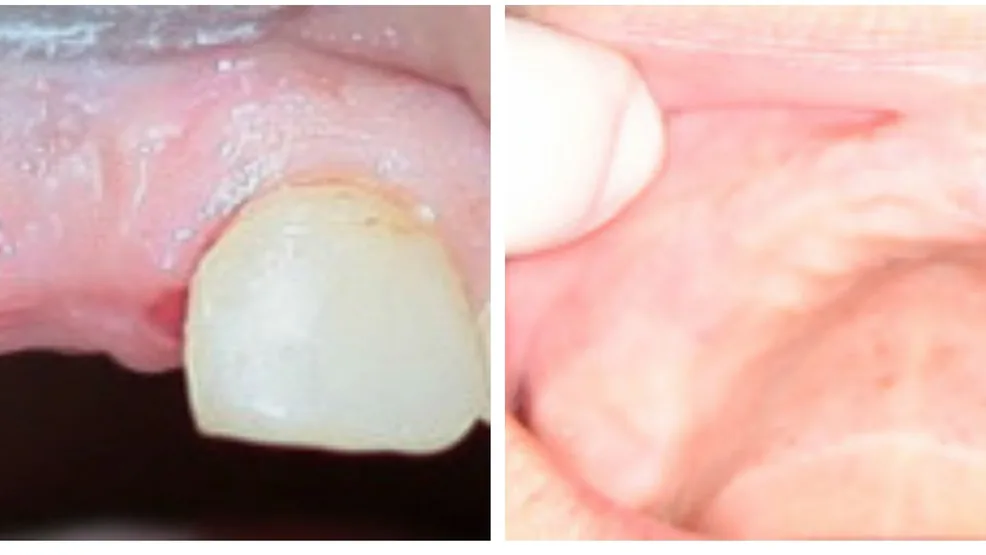
An implant-supported prosthesis can replace any tooth, in any location.
Contraindications:
Absolute contraindications for dental implants:
- Chronic systemic diseases (tuberculosis, rheumatic disease, uncompensated diabetes mellitus, diseases of the oral mucosa, etc.).
- Disorders of the blood and blood-forming organs.
- Diseases of the skeletal system that impair bone regeneration.
- Diseases of the central and peripheral nervous systems.
- Malignant tumors during treatment and for a period afterward.
Relative (manageable) contraindications for dental implants:
- Periodontitis (acute and subacute forms).
- Pathological occlusion and excessive tooth wear.
- Poor oral hygiene with no signs of improvement.
- Tumor-like and malignant growths in the oral cavity and jaws.
- The presence of metal implants elsewhere in the body (Kirschner wires, mini-plates, metal sutures, artificial joints, heart valves, pacemakers, etc.).
- Temporomandibular joint (TMJ) disorders.
- Bruxism (involuntary clenching or grinding of the teeth, especially during sleep).
- Anatomical features of the jawbone that prevent implant placement (e.g., bone atrophy, impacted teeth, sinus proximity), requiring preliminary procedures such as bone grafting.
- Pregnancy and lactation are considered temporary contraindications.
Social and lifestyle contraindications for implants:
- Poor personal health management, nicotine use, excessive alcohol consumption, a poor diet, and high caffeine intake.
- Occupational factors, such as heavy physical exertion and participation in extreme or high-impact sports.
Pre-Operative Examinations
This is where misunderstandings can arise, not just between the patient and the dentist, but among dentists themselves. What tests should a patient undergo before dental implant surgery? Where do we begin?
The most important principle for pre-operative testing is medical necessity. In simple terms, before ordering any medical test, we must know exactly why we are doing it and what we are looking for.
Consultations with Other Specialists
The most crucial specialist in the implant process is the prosthodontist. The goal of treatment is to create high-quality, reliable, and aesthetic dental prostheses supported by implants. The dental implant is only a foundation for the prosthesis. The number of implants, their location, and their angulation are all determined by the design of the future restoration. This is why the prosthodontist’s input is essential.
Missing teeth for an extended period can cause changes in your bite. These changes can be so significant that they preclude the creation of a high-quality, aesthetic prosthesis. Therefore, before implant placement (and any prosthetic work), patients may need a consultation with an orthodontist, and possibly even orthodontic treatment.
Before dental implant surgery, as with any oral surgery, a professional dental cleaning is essential. This involves removing calculus and plaque using ultrasonic scalers and AirFlow technology. We also provide personalized oral hygiene instructions to help you maintain good oral hygiene.
Pre-Surgical Oral Clearance
Some dentists require pre-surgical oral clearance before placing implants. This is a reasonable request, but within certain limits.
The oral cavity must be clean and free of acute or potentially dangerous sources of inflammation, such as chronic pulpitis and acute or chronic periodontitis.
Diagnostic Models and Wax-Up
We must remember that the goal of implantology is not just placing an implant, but achieving a high-quality, durable, and reliable restoration. The implant is merely the foundation for the prosthesis, not the prosthesis itself. Therefore, the size, number, and location of the implants depend not on the surgeon’s preference, but on the requirements set by the prosthodontist.
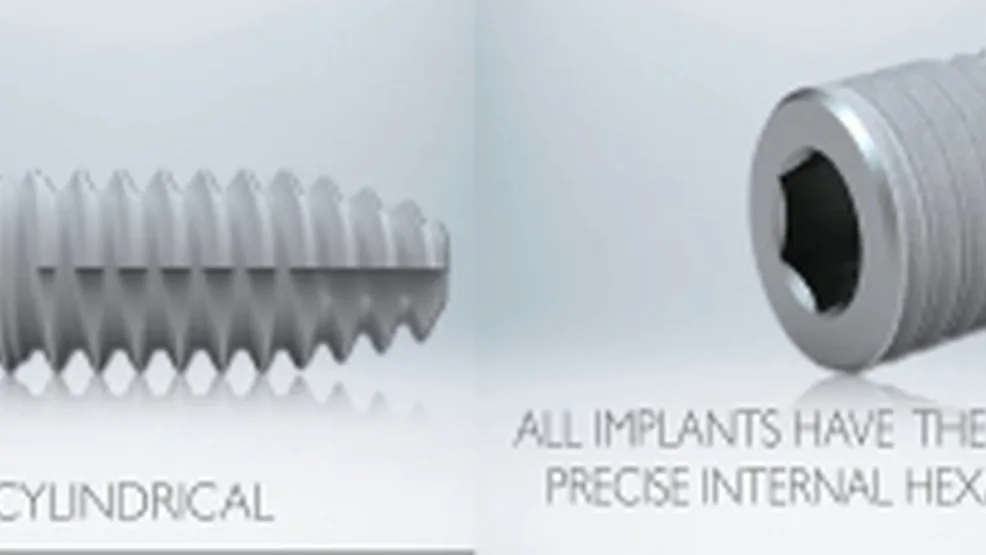
Otherwise, we might end up with an integrated implant that cannot be properly restored with a prosthesis.
To be an implantologist, you must be not only a good surgeon but also think like a prosthodontist. You need well-developed spatial reasoning and imagination, as the most challenging part of implantology is selecting and positioning the implants correctly.
To place an implant in the correct position, we need to know exactly what the final prosthesis will look like. This is achieved through a diagnostic wax-up.
A wax-up is particularly useful when implant positioning is challenging, for example, in cases of bone atrophy or complex prosthetic designs.
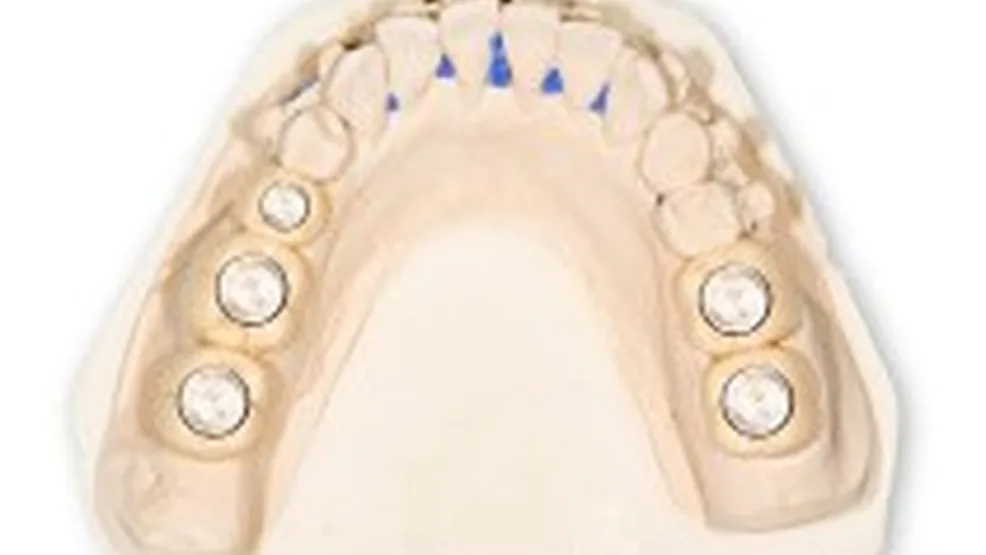
A consultation with a prosthodontist is an essential part of preparing for dental implant surgery.
Functional Analysis of the Masticatory System
Long-term tooth loss leads to serious changes in the masticatory system:
- Redistribution of occlusal forces within the dental arch.
- Shifting and migration of adjacent teeth, leading to bite problems.
- Degenerative changes in the temporomandibular joint (TMJ) and masticatory muscles.
- Atrophy of the bone and soft tissue in the area of the missing teeth.
The dentist’s task is not just to “make it look nice,” but to restore normal function and eliminate the consequences of tooth loss. To do this, we need to understand what has happened to the dental arch since the teeth were lost.
Surgical Guide (Template)
If implant positioning is complex, the prosthodontist fabricates a special template. This is done using specialized computer software and a 3D printer.
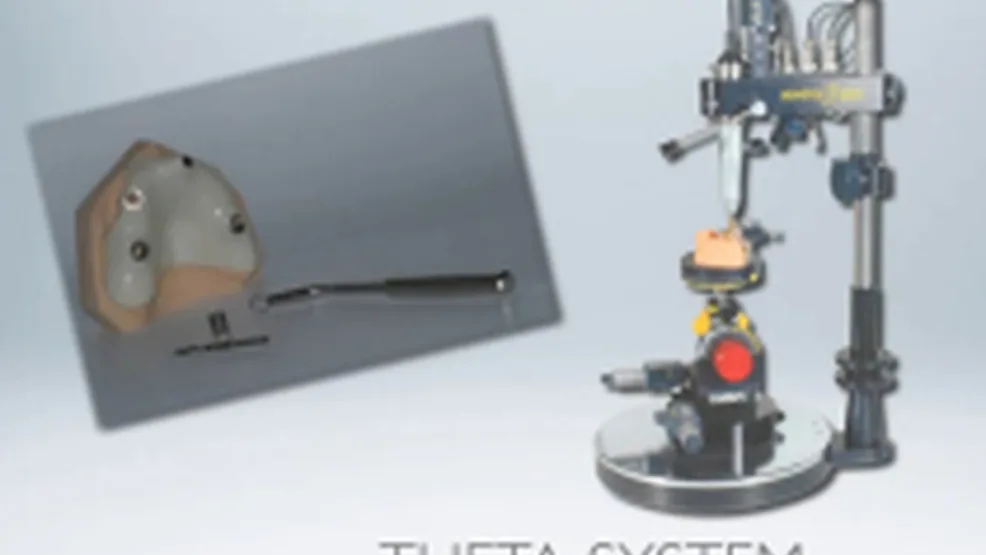
This navigation system allows us to plan the implant placement with precision and, by using the guide, achieve the best possible aesthetic and functional results. For the patient, virtual planning on a 3D model of their jawbone…
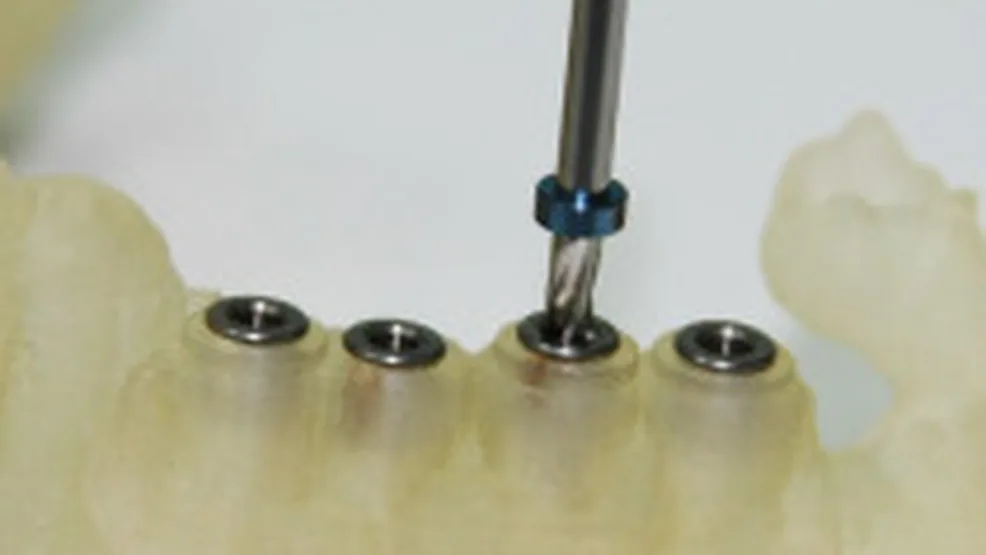
…and predetermining the location and angulation of the titanium implant guarantees the highest quality of work. Using a surgical guide significantly reduces risks. All users of this system, from novice dentists to specialists with extensive experience in implantology, greatly appreciate its advantages. This software can reduce the time required for surgery by a factor of four or more.
Computed Tomography (CT) Scan
This is perhaps the most important examination before implant surgery, and it should be performed in 100% of cases. We cannot begin the implant procedure without data from a CT scan.
We use specialized digital tomographs and dedicated dental software for the CT scan.
A CT scan helps us assess the configuration, volume, and structure of the bone in the surgical area. It allows us to measure anatomical structures and select an implant of the appropriate size. Using this technology helps us avoid a number of potential complications.
Blood and Urine Tests, Other Laboratory Tests
Some clinics routinely require all patients to have blood and urine tests before surgery. However, if the results do not inform the surgical plan, the question arises: why are these tests being done if they are not being reviewed?

In terms of trauma, systemic impact, and complication rates, dental implant placement is often an easier procedure than a tooth extraction. In some cases, patients tolerate a sinus lift or bone graft better than the extraction of a resorbed molar. Yet, no one requests lab tests before an extraction (though I admit there are exceptions).
Everything has its indications and contraindications. For example, if a patient reports certain health problems and is under a physician’s care, we must obtain clearance from that physician for the planned surgical procedure. They will order any necessary lab tests if they deem it appropriate.
Conclusion
The essential steps in preparing for implant surgery are:
- Consultation with the prosthodontist
- Computed tomography (CT) scan
Based on the consultation with the prosthodontist and implantologist, they may prescribe the following:
- Diagnostic models and a wax-up
- Consultations with other dental specialists, pre-surgical oral clearance
- Professional oral hygiene (dental cleaning)
- Functional analysis of the masticatory system
- Fabrication of a surgical guide (template)
Prescribed based on specific indications:
- Laboratory blood and urine tests
- Consultations with non-dental medical specialists – cardiologist, general physician, endocrinologist, rheumatologist, etc.
- Electrocardiogram (ECG)
The relevant medical specialist prescribes these latter tests.
Generally not required:
- Electroencephalography (EEG)
- MRI (Magnetic Resonance Imaging)
- Dynamic CT or MRI
- Laboratory analysis of cerebrospinal fluid or prostatic secretions
And finally, a successful treatment and outcome are a credit to both the doctor and the patient—not just the doctor!
We wish you good health!