Disinfection – the process of removing disease-causing bacteria from contaminated instruments, clothing and nearby objects through the physical or chemical action of disinfectants
Everything that doesn’t come into contact with a wound, blood or injectable drugs must be disinfected.
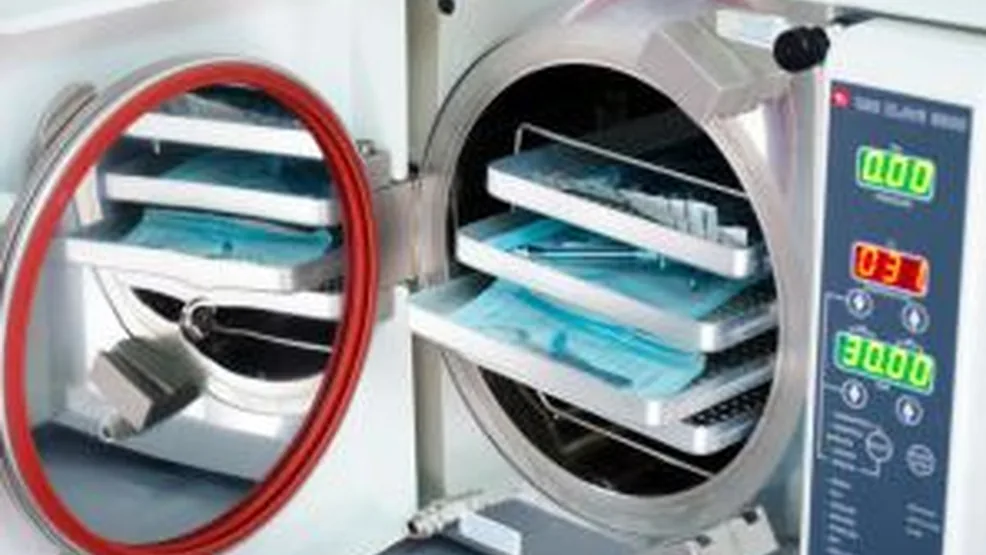
Items used directly during procedures undergo pre-sterilization disinfection. Sterilization – the process of destroying all types of microorganisms, including spores, by heat, radiation, chemicals or filtration. Everything that comes into contact with a wound, blood or injectable drugs must be sterilized, as well as certain medical instruments that come into contact with the mucosa and could damage it. A great deal is already known about disinfection and sterilization. For thousands of years, silver was used for sterilization – to store food, or people bathed in it to avoid infection. These were the first steps in understanding this subject.
Today medicine is a science that has stepped into microbiology and genetics and can explain the infectious nature of many inflammatory processes.
Today diseases can be classified by their causes. Studying the life cycle of microorganisms has revealed their special state and their ability to adapt to different living conditions – spores (a state in which microorganisms are inside a special shell that protects them from aggressive external factors). Based on all this information, microbiology gives recommendations on how to neutralize them. These are the various methods of sterilization and disinfection.
Disinfection is used when contaminated surfaces that can’t be sterilized need to be cleaned: hands, floors, walls, various equipment. But there is no guarantee that the cause of infection has been fully neutralized, so every instrument or device that has direct contact and is involved in an invasive procedure must be sterilized.
There are three types of sterilization
1. Steam method (water-saturated steam under pressure) – carried out in an autoclave.
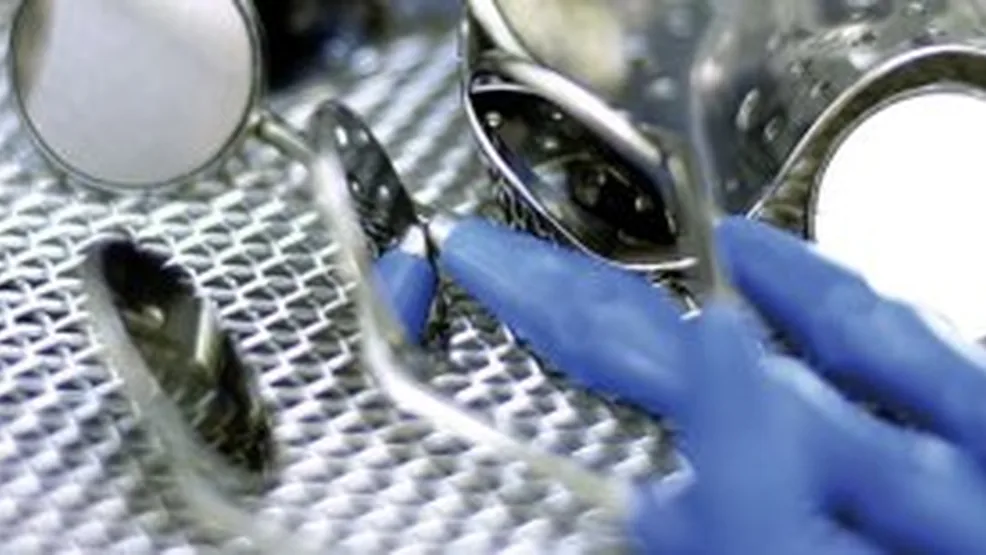
- Dry-heat sterilization (dry hot air)
A dry-heat cabinet is used
- Chemical method (chemical solutions)
Chemical disinfectants are used
- Steam method
Temperature 121-134 degrees
Pressure 1.1-2.0 bar
Time 5-20 minutes
Full cycle 6-30 minutes
Sterilizes metal, glass, textiles, rubber, latex, PVC
Sterilizing agent: steam, temperature, pressure.
Advantages
Short full cycle
Heat-sensitive items can be sterilized
Various types of packaging can be used
Disadvantage
High cost of the equipment
- Dry heat
Temperature 160-180 degrees
Time 30 minutes
Full cycle 75-120 minutes
Sterilizes metal, glass
Sterilizing agent: temperature.
Low cost of the equipment
Long cycle
Risk of damaging instruments at high temperature
Acts by temperature only; limited use
High energy consumption
- Chemical
Temperature 18-50 degrees
Time 240-300 minutes
Sterilizes metal, glass, polymers, rubber.
Sterilizing agent: hydrogen peroxide, Dezoxon, chemicals.
No special equipment needed
Very long cycle. As you can see, autoclaving – steam sterilization – has a clear advantage.
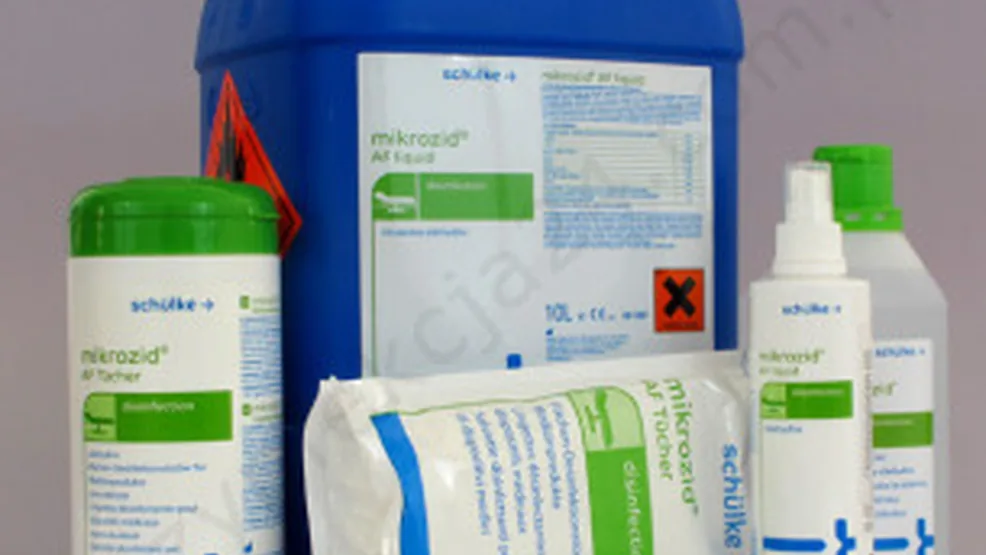
At our clinic, full disinfection and sterilization are carried out using the most modern methods. For disinfection we use disinfectants from the German company Schülke. Sterilization is done by autoclaving.