Today, for various reasons, including a worsening environment, the number of patients with allergies is growing. People with allergies can’t tolerate various smells, foods, medicines, animals, dust and more. As a result, the allergic reaction shows up as swelling, hives, itching of the mucosa and skin, sneezing, watery eyes and headaches.
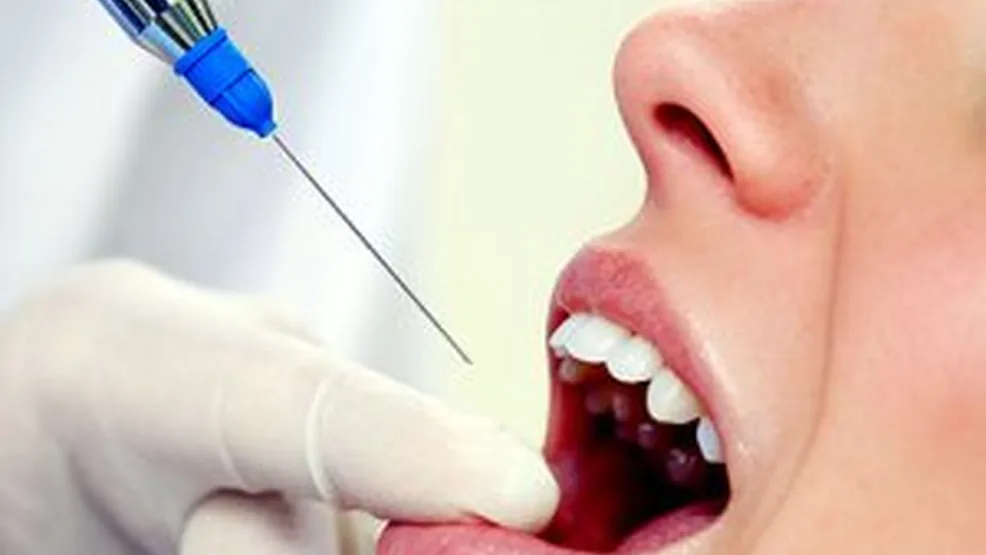
Dentists very often have to treat patients with allergies. For such patients, it is important to choose the right anesthetic and medications that don’t cause allergic reactions.
Modern dental treatment is unthinkable without anesthesia. But we must remember the complications that can follow this seemingly harmless procedure. One of the most common complications is an allergic reaction. How can we protect both doctor and patient from this unpleasant complication?
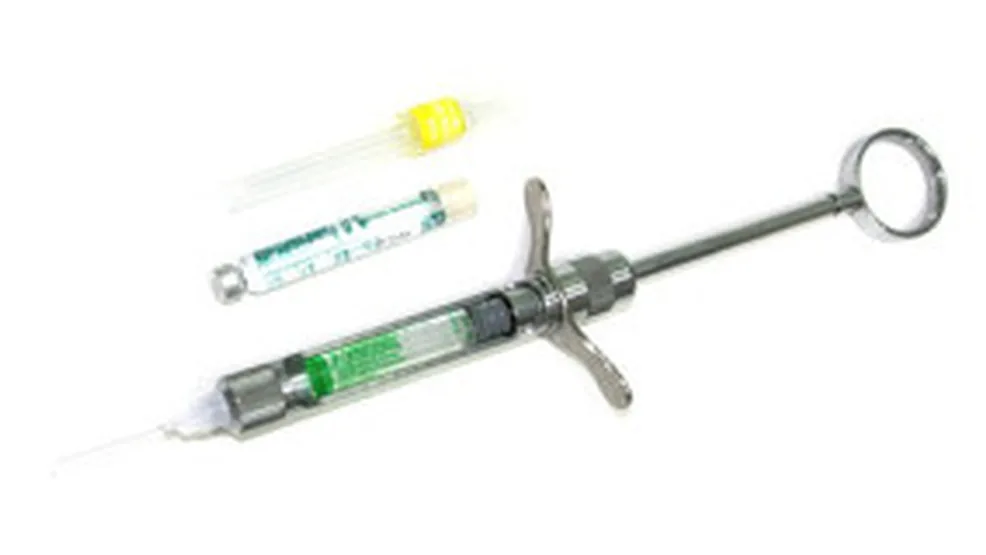
Today endodontics (treatment of tooth roots) has made significant progress and can solve even the most difficult tasks. From hand instruments to rotary instruments, endodontic treatment was and is unthinkable without anesthesia. Moreover, the development of special anesthetics was driven by the needs of endodontic treatment. Despite the wide range of anesthetics available to dentists, they can’t always use them. This is often because of the patient’s history of allergies. So the doctor must assess the situation correctly and remember the responsibility they take on.

According to the World Health Organization, drug allergies affect 2% of the healthy population, and this figure rises to 17% among people who take various medications over a long period. The number of patients with a history of allergies is quite large and grows every year. Given this situation, a dentist must be able to predict an allergic reaction and diagnose it in time. Unfortunately, most dentists have no idea of the rules and stages of diagnosing drug allergies and limit themselves to just a few questions when taking a history. The same can be said of patients, who can’t be bothered with “unnecessary” talk and tests. The answer is always simple: “Go on, give me the injection, what could happen?”
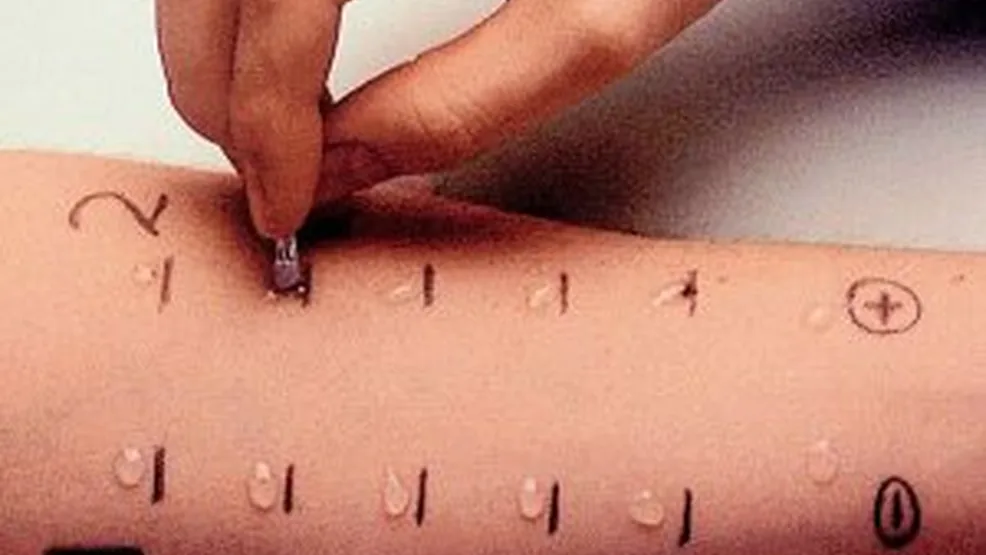
After finding allergic reactions in the patient’s history, many dentists start testing with various anesthetics – as a rule, without considering contraindications, putting the patient’s life and health at risk. There are patients who cannot be helped, but there are none who cannot be harmed (E.C. Lambert). To approach this issue seriously and responsibly, predicting and diagnosing allergic reactions should be done step by step, by strict criteria, and preferably at a specialized institution.
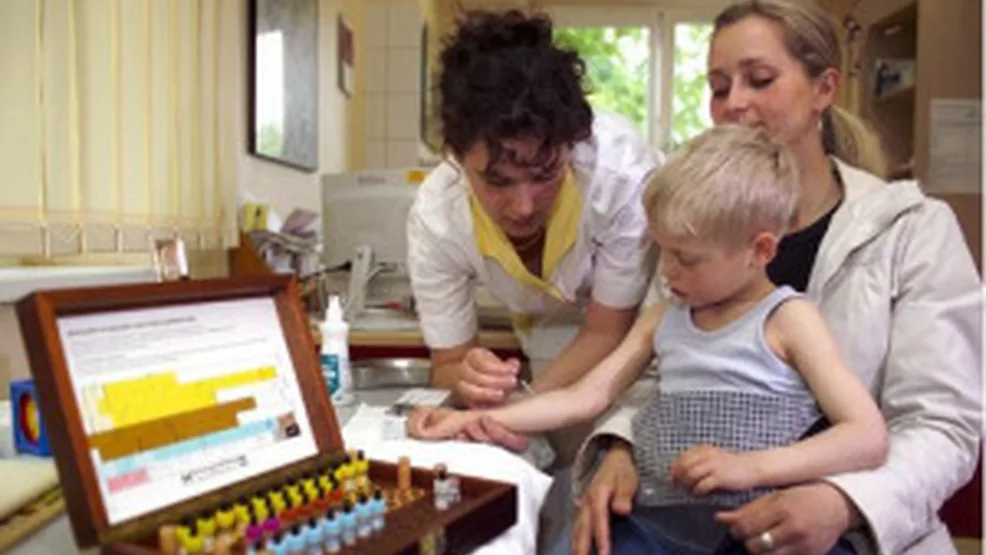
Primary prediction of an allergic reaction
This prediction is based on a thoroughly collected allergy history. On this basis, the doctor draws a conclusion about the patient’s predisposition to allergic reactions. Every question in the allergy history should give the doctor specific information. The dentist’s main task is to find out:

- whether the patient can be given a local anesthetic without further testing;
- whether the patient needs to be referred for laboratory diagnostics.
At the “Nino Beridze Orthodontic Center”, new patients fill in a questionnaire where they note their existing conditions, including allergic reactions to various irritants. If there are any allergies, the patient is referred to an allergist for a prick test. Dental treatment is carried out only after a positive answer from the allergist.