
Sleep apnea, or nighttime apnea, is characterized by pauses in breathing that can last up to 3 minutes. The syndrome causes various psychosomatic and metabolic disorders, as well as cardiovascular problems. You can read more about this dangerous and quite common disorder in our article.
What is sleep apnea and why is it dangerous?
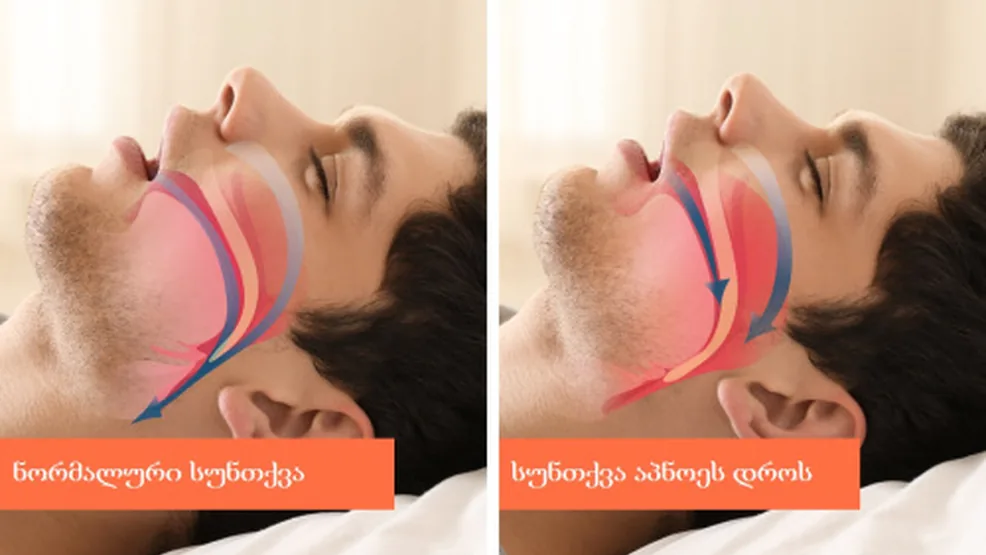
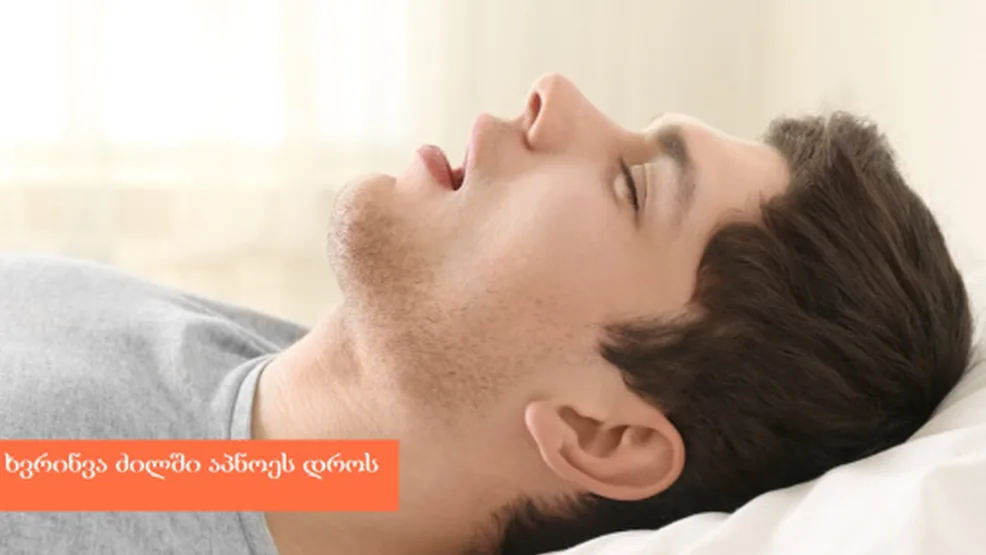
Nighttime apnea is a condition in which breathing stops for a while, reducing the oxygen supply to the brain, which makes the person partially wake up. On waking, muscle tone is restored and breathing returns to normal. This can happen 10-15 times an hour, and in some cases every minute. Sleep apnea is usually accompanied by loud snoring and a series of deep breaths.
The pauses in breathing themselves are not life-threatening, but the same can’t be said of the processes they “switch on”. If a pause in breathing lasts 10 seconds, the consequences are quite serious, because it causes hypoxia – a lack of oxygen.
Consequences of the syndrome:
- Metabolism is disrupted, which in turn raises blood pressure and may lead to diabetes and mental disorders.
- According to the latest scientific data, nighttime apnea is precisely the trigger for developing cardiovascular disease.
- Obstructive sleep apnea syndrome is the most common cause of car accidents.
- The lives of people who suffer from pauses in breathing are shortened by an average of 15 years – and this is the most important point!
The main causes of apnea:
There are several causes of apnea, and they differ by type. Central sleep apnea is linked to a malfunction of the brain’s breathing center. In such cases, breathing stops because the body doesn’t know when to breathe.
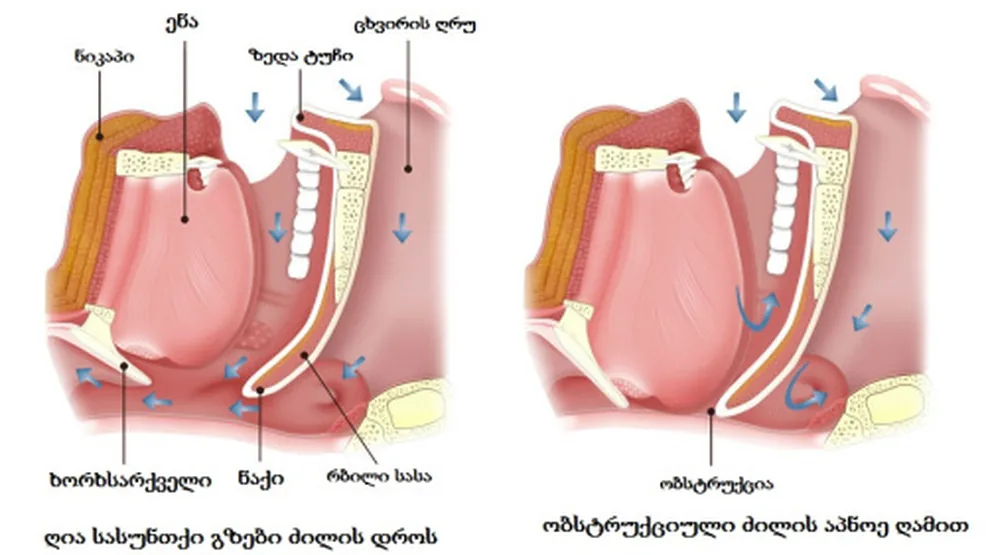
The causes of obstructive sleep apnea often lie in narrowing of the upper airways and are often accompanied by temporomandibular joint dysfunction. According to the literature, 75% of patients with temporomandibular joint problems have breathing pauses, and conversely, patients with this condition have temporomandibular joint problems – yet most don’t even suspect that the pauses in breathing are the reason they feel unwell.
Obstructive sleep apnea syndrome
Symptoms of apnea:
In children, the symptoms of nighttime apnea show up as attention deficit hyperactivity disorder and urinary problems. And snoring and breath-holding, despite the common belief, are not always linked.
Not everyone who snores has pauses in breathing, and conversely, not all people with apnea snore.
In adults, the symptoms of apnea are:
- irritability;
- memory loss;
- a constant feeling of tiredness;
- chronic insomnia.
Are snoring and apnea linked?
Despite the common belief, snoring and apnea are not always linked. Not everyone who snores has pauses in breathing, and conversely, not all people with apnea snore.
How is the disease diagnosed?
Diagnosis takes place in 3 stages. First, a consultation with a dentist or a somnologist (sleep specialist), who will identify the first symptoms of the disease and, if necessary, refer the patient for further tests. Next, a special test is carried out, the results of which allow breathing pauses to be diagnosed more accurately.
However, the final diagnosis is made based on polysomnography, during which the patient sleeps under a doctor’s supervision. In some cases, X-rays are needed to detect the disease.
Which doctor should a patient with sleep apnea see? There is no single answer to this. Treatment should be provided by various specialists, depending on the severity and the causes: a dentist, an ear, nose and throat doctor, a somnologist, pulmonologist, cardiologist and an endocrinologist. Each of them plays an important role in the patient’s treatment.
Unlike other doctors, dentists see patients more often, so they are the first to notice the changes caused by the disease and can stop it from progressing further. The somnologist makes the final diagnosis. Endocrinologists and cardiologists treat patients with complex cases.
Treatment of sleep apnea:
The doctor decides how sleep apnea will be treated after assessing the clinical situation.
If the cause of the disease is inflamed tonsils or adenoids, they need to be removed; if the problem is weight, weight loss is needed; if there is heart disease, you should see a cardiologist; if the soft palate or uvula hangs too low, you should see a surgeon. When the disease is the result of temporomandibular joint dysfunction – which is quite common – the patient is referred to an orthodontist to correct the bite.