Dental sealants – fissure sealing
Caries prevention is crucial for keeping teeth healthy. Dental sealants are effective in protecting against early forms of caries. Sealants fill the deep, hard-to-reach areas of the teeth.
What is fissure sealing?
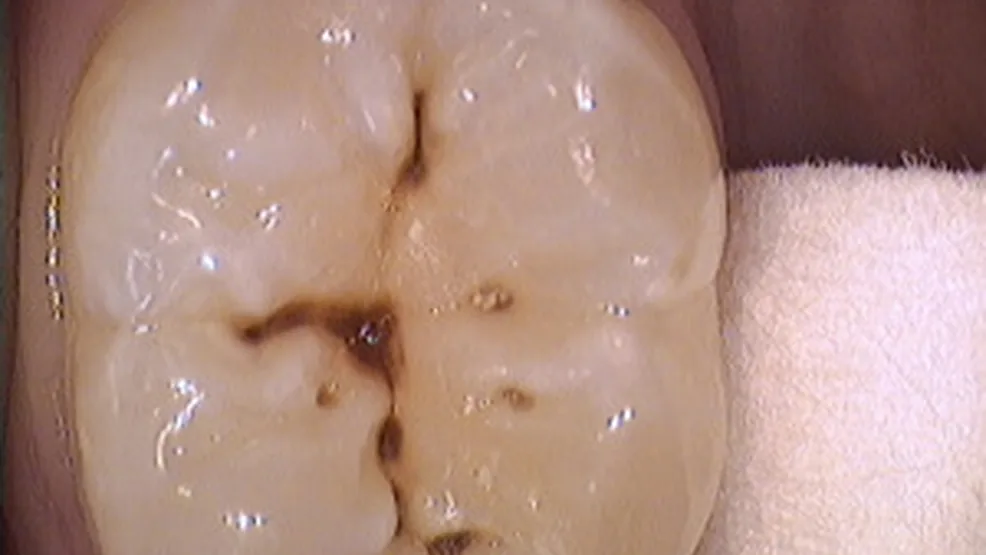
Because of the anatomical features of the tooth surface, it’s hard to clean completely with a brush. This mainly applies to the back teeth (molars). On the chewing surface of the molars, between the cusps, there are grooves – fissures. They are narrow and fairly deep.
Deep fissures are an ideal home for oral bacteria. When we eat sugar and sugary foods and drinks, bacteria multiply instantly and stick together into a sticky mass, forming dental plaque. The activity of these bacteria produces acids that start breaking down tooth enamel. A toothbrush can’t clean fissures this deep, because each bristle is about twice as wide as the fissure and can’t reach the bottom while brushing.
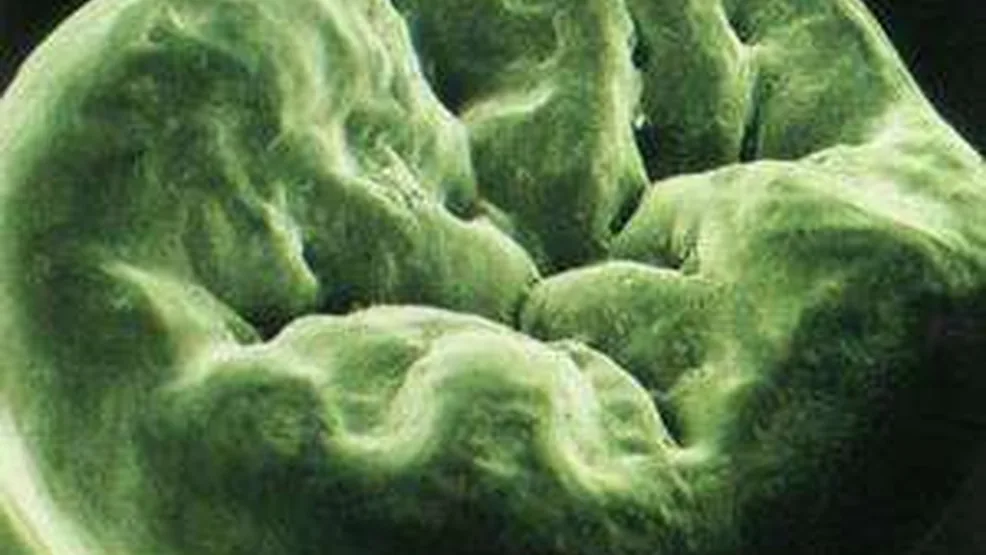
Plaque that is never “cleaned out” builds up and leads to caries. To prevent this, the dentist fills the fissures with a special sealant.
Because of its high fluidity, this substance (sealant), when applied to the chewing surface, fills all the hard-to-reach, deep spaces, making them flat and smooth. Plaque is much easier to remove from such a surface, and the barrier created stops microorganisms from reaching the tooth enamel. With sealed fissures, teeth are protected from caries for years.
At what age is it best to seal fissures?
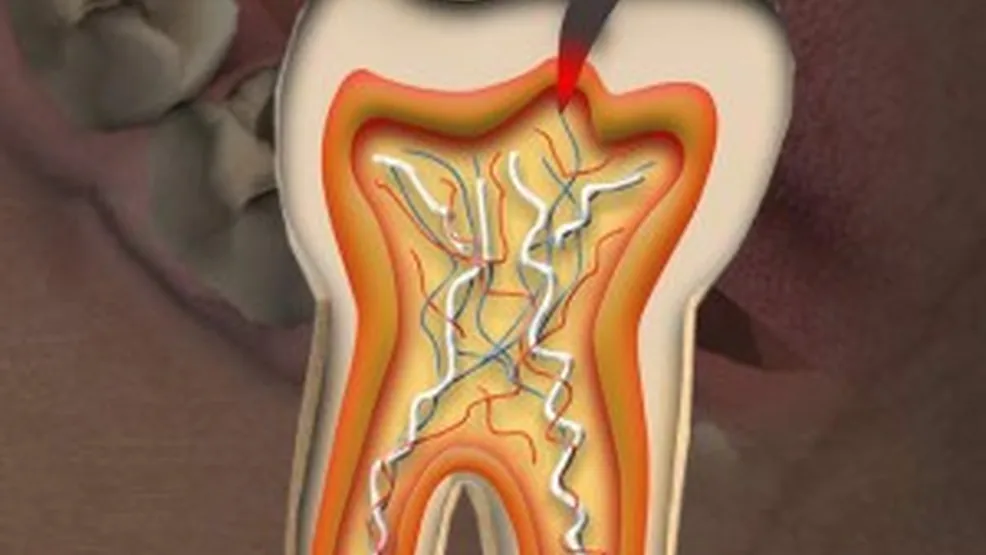
Fissure caries develops within 1-2 years of the teeth erupting. The first permanent molars erupt at age 6-8 and the second at 12-14, so fissure sealing is most effective at these ages, while the teeth are still free of caries.
This protection is useful for people of any age, as long as their teeth haven’t yet been damaged by caries, but the procedure is especially recommended for children.
In addition to the above, there is another reason fissures break down. The thing is, when a tooth first erupts, its enamel isn’t fully formed yet. It contains far fewer minerals than in adults, so such fissures are more prone to caries because they are softer than in adulthood. As a rule, fissures mature after 1-2 years.
Which teeth have their fissures sealed?
It is believed that the deeper the fissure, the more effective and useful it is to seal it. Firstly, the risk of caries is higher in deep fissures. Secondly, sealant penetrates narrow fissures better. As a rule, these deep, narrow fissures are found on the back chewing teeth (molars), so the risk of caries there is high and a protective barrier is needed.
Stages of applying sealants to the tooth surface
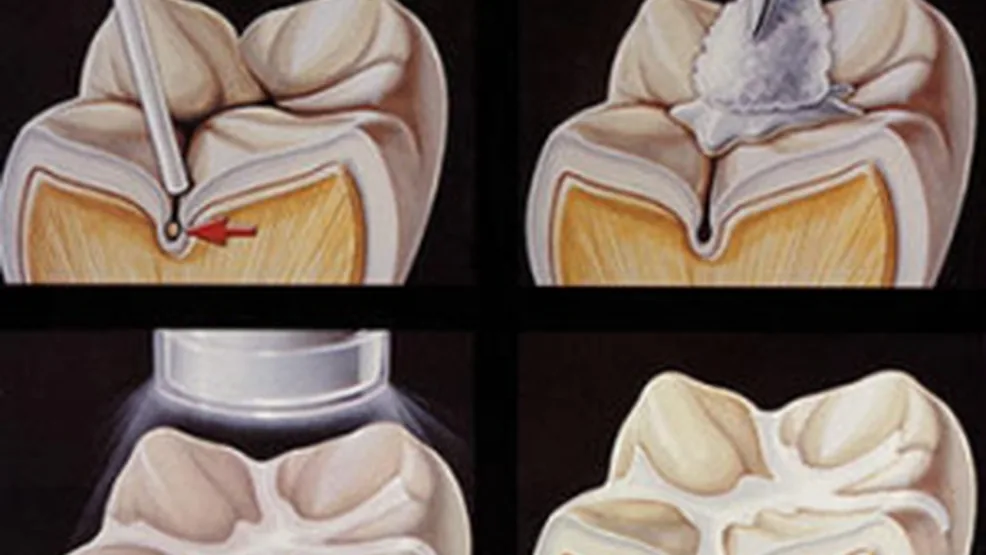
The technology of applying a sealant is quite simple and completely painless. In its properties, a sealant resembles a light-cured filling, but it is more fluid. Thanks to its liquid consistency, it easily penetrates the fissures, right down to the bottom.
How a sealant is applied
- Before sealing the fissures, the dentist cleans the tooth surface with a special brush. Only a clean, dry surface is the basis for success.
- The tooth is isolated from saliva with cotton rolls. A special gel is applied to the tooth surface for a few seconds to make it rougher, which increases the strength of the sealant’s bond to the enamel.
- The gel is rinsed off with water.
- The sealant is applied to the dry tooth surface and spread into all the grooves.
- Once the sealant has reached all the grooves, it is hardened with a special lamp.
- The hardened sealant shouldn’t prevent the mouth from closing. The doctor checks this with articulating paper, which shows areas with excess material. Excess sealant is removed with rotary instruments.
How long sealants last
Based on statistical data, the results of using sealants are impressive: sealant retention reaches 80% in the first years, 70% after 5 years and 30% after 10 years. As a result, the risk of caries decreases by 70-80%. If the sealant has lasted 3-5 years, treatment is considered successful; but even if the sealant comes out earlier, the treatment isn’t considered a failure, because all that time the sealant was protecting your tooth from acid-producing microbes and, therefore, from caries.
To monitor the condition of both the tooth and the sealant, your doctor pays attention at every preventive check-up and responds promptly when needed. Of course, a sealant that remains intact on the tooth surface protects more effectively. If you notice that part of the sealant is missing or it has come out completely, tell your doctor right away.
We wish you good health.