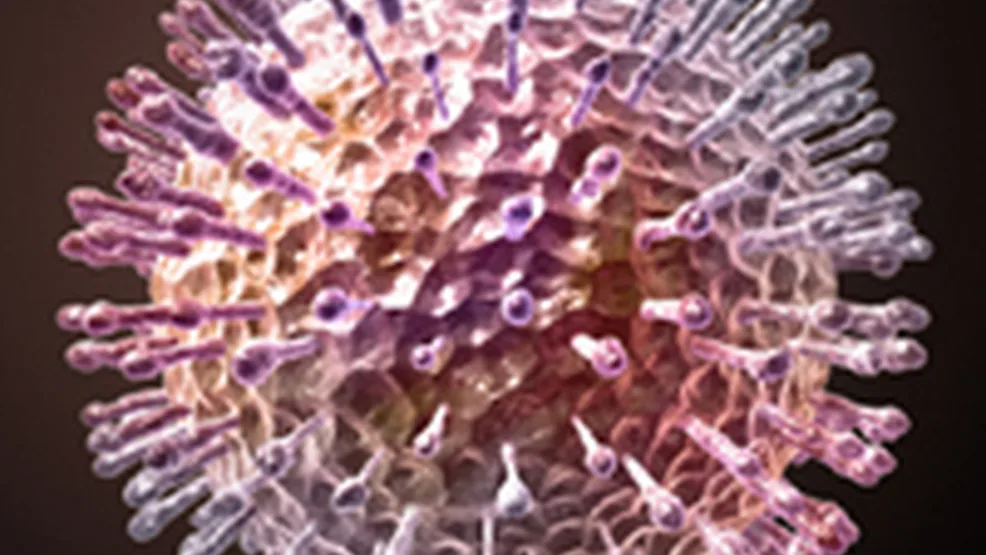
Herpes simplex (herpes simplex) is the most common viral disease in humans. It is caused by the herpes simplex virus and is found in 75-90% of adults. The source of infection is an infected person or a carrier of the virus. Primary infection usually occurs after the 6th month of life, because until then most newborns have antibodies to herpes simplex in their blood, received from their mother. In the first months of life this disease is very rare and shows up as severe generalized damage to the skin, mucosa, liver, brain, eyes and other organs. Children aged 6 months to 3 years are most susceptible to herpes simplex. Outbreaks of acute herpetic stomatitis occur in preschool institutions. After age 3, primary infection becomes increasingly rare, although adults can also be infected. Very often primary infection is subclinical or symptom-free. Once the herpes simplex virus enters the body, it stays there for life. Herpetic stomatitis is an immune-infectious disease caused by the herpes virus. It develops as an acute disease or as a result of reactivation of a latent viral infection.
Herpes infection in the mouth appears clinically in 2 forms: primary herpes infection – acute herpetic stomatitis – and chronic recurrent herpes (recurrent herpetic stomatitis).

Acute herpetic stomatitis
The disease starts suddenly, with a rise in body temperature (37-41°C) and general weakness. After 1-2 days, pain in the mouth begins, which gets worse when eating and talking. The mucosa becomes red and swollen. Single or grouped small blisters appear on it, ranging in number from 2-3 to several dozen.
In the first days of acute herpetic stomatitis, as well as during relapses, the herpes virus is easily released from the contents of the blisters.
The prognosis is good: clinical recovery occurs within 1-3 weeks, the aphthae heal without scarring, and the gum margin keeps its shape.
Acute herpetic stomatitis can heal on its own, but treatment helps the disease run a milder course, prevents complications and eases the patient’s condition. The scope and nature of treatment depend on the stage of the disease, its severity and any secondary infection.
Antiviral and immunomodulating medications are effective. Antiviral medications are prescribed in the first days of the rash.
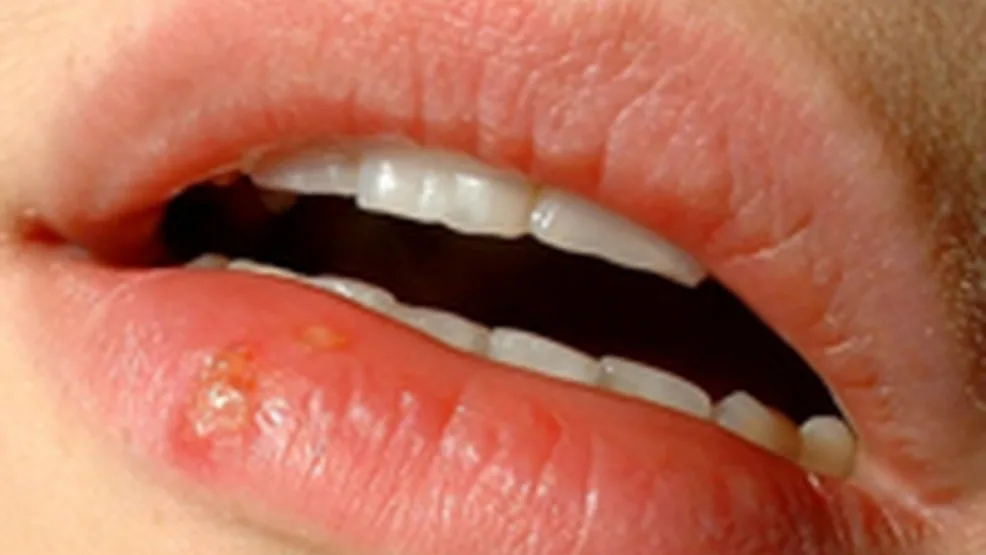
Chronic recurrent herpes
Chronic recurrent herpes is quite common in people of any age who were previously infected with the herpes simplex virus and don’t have antibodies to it. Under unfavorable general or local conditions, the unstable immunity weakens. This is promoted by getting chilled, general illnesses (flu and adenovirus infections, pneumonia, malaria, etc.), intoxication, stress and sensitization.
On the mucosa of the lips, cheeks, tongue and hard palate, anywhere from 2-3 to several dozen small blisters appear next to each other and burst quickly. In their place, superficial erosions form, which then merge, and the disease enters its active period.
Treatment is mainly aimed at preventing relapses. To do this, all foci of infection in the body are eliminated, including in the mouth (periodontitis, tonsillitis), as well as local factors that promote the rash (dry lips, chronic cracked lips). If relapses are frequent, an anti-herpes polyvaccine is used successfully.
Herpes zoster
Herpes zoster (herpes zoster), or shingles, is caused by the virus varicella zoster. There are two forms of disease caused by this virus: chickenpox and herpes zoster. Chickenpox develops on first contact with the virus. Herpes zoster develops only in patients who have previously had chickenpox and have antibodies that neutralize the virus. The disease appears as a result of reactivation of the latent virus or secondary external infection. In the generalized form of herpes zoster, both clinical forms of the disease are combined.
Both children and adults get herpes zoster, but older people more often. The infection spreads through contact or airborne droplets. Herpes zoster is common in autumn and winter and is characterized by fever, inflammation of the ganglia of some cranial and spinal nerves, and an erythematous-vesicular rash on the skin and mucosa along the affected sensory nerves. Damage to the oral mucosa is linked to involvement of the Gasserian ganglion (herpetic ganglionitis) and the second and third branches of the trigeminal nerve, with the corresponding areas of skin affected at the same time.
The incubation period lasts 7-10 days. Then general weakness, headache and chills appear, and the temperature rises to 38-39°C, but signs of intoxication may be minor. Along with the general symptoms (or a little later), acute paroxysmal neuralgic pain develops along the affected nerves, with pain radiating to the teeth. Along with the skin rash, multiple vesicular eruptions appear on the reddened and swollen oral mucosa.
Herpes zoster lasts 2-3 weeks on average. The prognosis is generally good. Complications are rare – neuralgia, trophic disorders in the affected areas, hyperpathia and hyperesthesia lasting several months or years.
The disease leaves long-lasting immunity, although recurrent cases are known.