The dental arch is roughly divided into several segments: molars (teeth 6-7-8), premolars (teeth 4-5) and front teeth on each side.
When brushing, your teeth shouldn’t touch. Hold the brush at a 45-degree angle to the tooth surface. Start brushing from the left, on the cheek-side surfaces of the upper jaw. Make 10 sweeping movements, gradually moving on to the other segments.
Then clean the palate-side surfaces of the teeth, all segments from left to right, with 10 sweeping movements on each.
The next step is the chewing surfaces of the molars and premolars. Brush the chewing surfaces in a back-to-front direction. It’s best to make 10-15 movements on each side.
On the lower jaw, clean in the same order: first the cheek side, then the tongue side, and finally the chewing surfaces.
When brushing the tongue-side surfaces of the lower incisors and the palate-side surfaces of the upper incisors, hold the brush perpendicular to the dental arch. It’s best to finish brushing with a gum massage. This is done with the mouth closed, using circular movements of the brush from the gums towards the teeth, from left to right.
I’d like to draw your attention right away to common brushing mistakes:
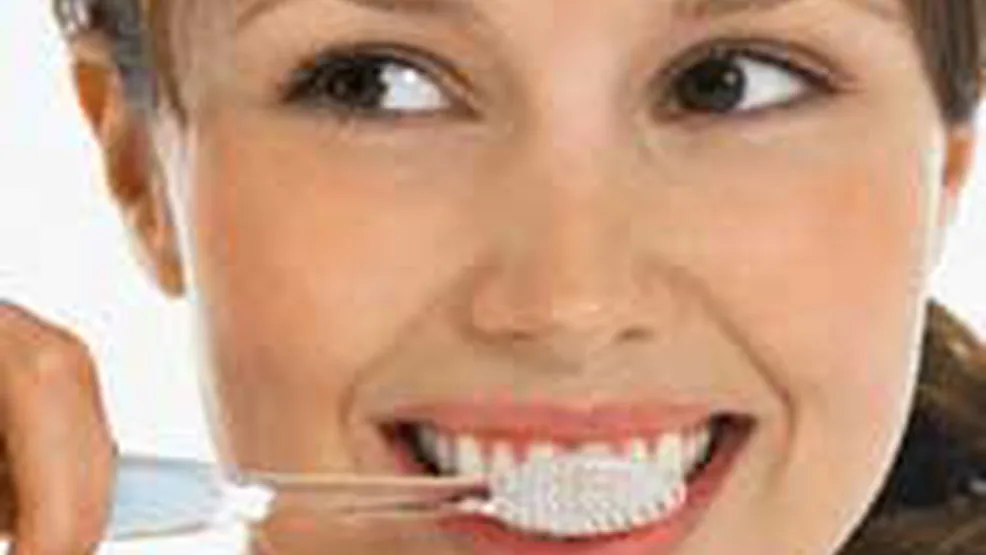
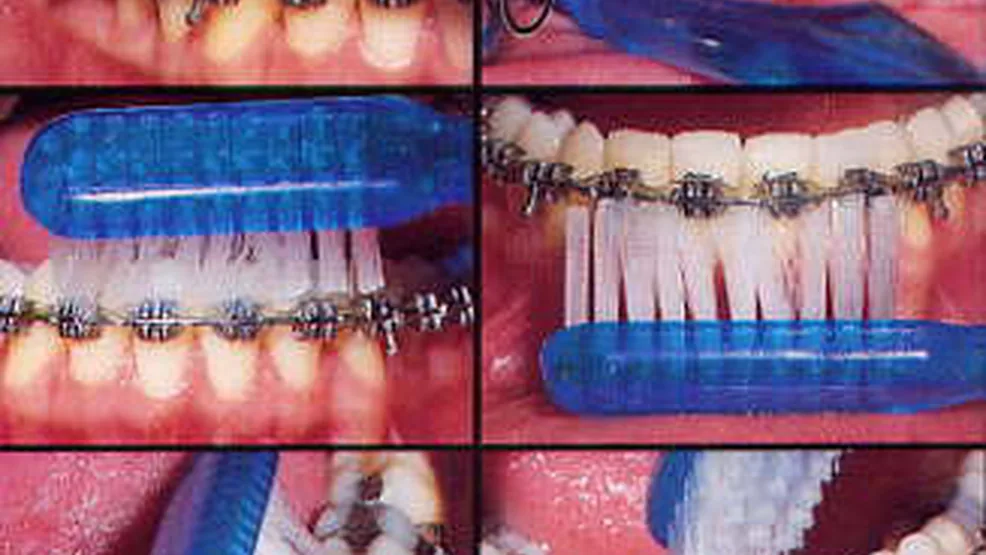
- Horizontal movements on all surfaces.
- Cleaning only the outer (cheek-side) surfaces.
- Not enough movements at each stage.
Floss
Floss, or, as it is also called, dental thread, is an additional oral care tool. We use a toothbrush to brush our teeth, but it only cleans 3 of a tooth’s 5 surfaces. However you brush, the brush simply can’t reach the spaces between the teeth. Dental thread (floss) was invented precisely to clean them. With it, we can clean the hard-to-reach places where the most food and plaque collect.
It’s also worth noting that with poor hygiene, the most common place for caries to develop is exactly the side surfaces of the teeth. Poor hygiene also leads to irritation of the gum papilla, gingivitis and all its complications.
All dental floss is different. First of all, it can be made from synthetic or natural material. Silk is used as the natural material, while nylon, kapron or acetate are used for synthetic floss.
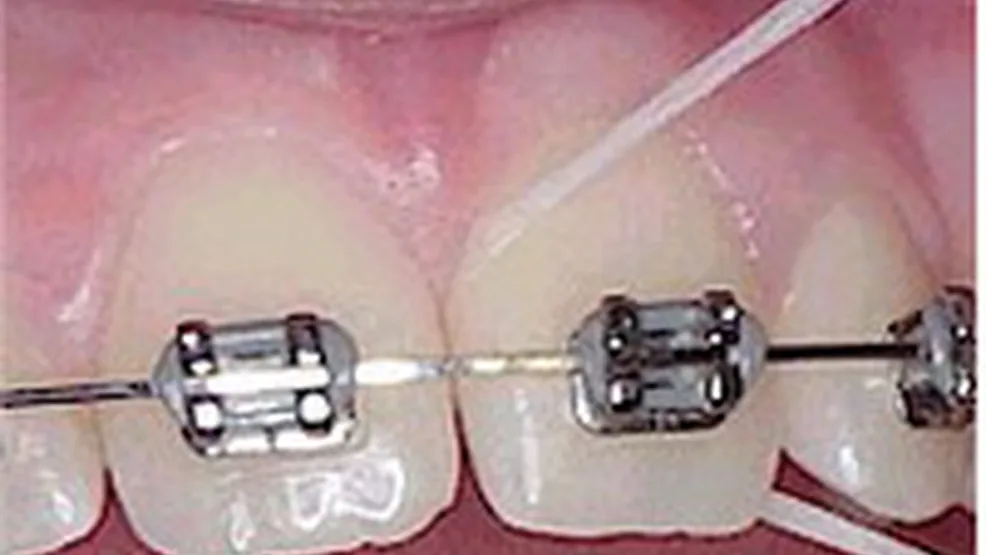
How to use floss?
Before you start flossing, you should know that using it incorrectly can damage the gums. To avoid injury, it’s best to ask your dentist to explain and teach you how to use it.
Please remember not to reuse a used section of floss on other teeth. 40 centimeters easily allows for this.
Interdental brushes
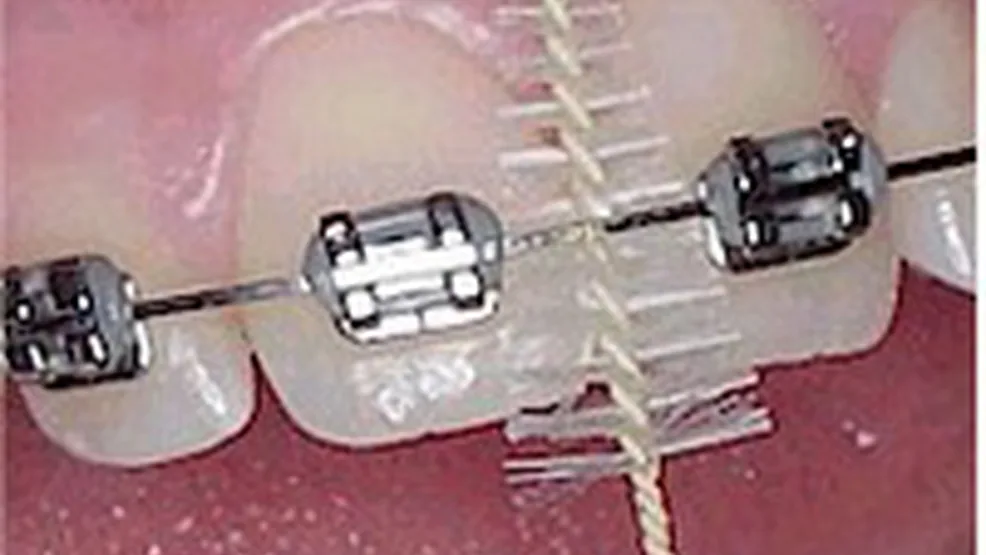
Interdental brushes are used to clean large gaps between teeth, teeth on fixed prostheses and implants, and spaces between orthodontic appliances. An interdental brush has a small conical or cylindrical shape. It also massages the gums and improves blood circulation. The brushes differ in stiffness, shape and size.