Severe toothache cannot be completely relieved at home, but some remedies provide temporary relief. In this blog, we will talk about exactly what can ease your discomfort before your visit to “NB Dental – Nino Beridze Clinic”. We will also explain which common methods you should avoid so as not to damage your tooth and mucous membrane, and why you should not put off going to the dentist.
Why Does a Tooth Hurt So Much?
Before we discuss how to relieve severe toothache, let’s find out what causes it. With caries, the intensity of the pain depends on which tooth tissue the damage has reached.
The outer layer of the tooth, the enamel, contains no nerve endings, so superficial caries develops without pain. When the damage reaches the dentin beneath the enamel, the tooth becomes sensitive to cold, hot or sweet food. In this case, the pain is short-lived and quickly passes.
The pulp is the inner tissue of the tooth, through which nerves and blood vessels pass. Its inflammation, pulpitis, is often characterized by spontaneous, acute pain that starts even without an irritant and intensifies at night. When lying down, blood supply to the head increases, pressure on the inflamed tissue rises, and the pain becomes sharper. That is why a toothache that was relatively bearable during the day can become so intense at night that it wakes you up.
Without treatment, the inflammation can also spread to the tissues around the tooth root, and periodontitis or a purulent focus, an abscess, may form. To avoid these complications, you should schedule a dental visit and not wait for the pain to go away on its own.
How Can You Ease the Pain Before You Get to the Dentist?
To temporarily relieve toothache, you can take an over-the-counter painkiller, but you must strictly follow the dose and the interval between doses indicated in the leaflet. If you have a chronic illness or are taking other medication, choose a suitable product on the advice of a doctor or pharmacist.
A cold compress also reduces pain. Wrap a cold pack in a cloth and hold it against the outside of your cheek for about 15 minutes. Cold narrows the blood vessels, reduces swelling and temporarily numbs the skin. Wait at least an hour before using it again so that the cold does not damage your skin.
Rinsing your mouth with warm salt water removes food debris and soothes the irritated mucosa. Dissolve half a teaspoon of salt in a glass of warm water, rinse gently and spit out the solution. At night, try to rest your head on a slightly raised pillow to reduce pressure in the tooth so that the pain bothers you less.
Keep in mind that these remedies only relieve the pain temporarily and cannot eliminate its cause. Therefore, do not put off a dental visit and a tooth filling even if you feel better.
Which Common Remedies Damage the Tooth and Mucosa?
We often hear advice from relatives on how to relieve severe toothache. These methods are passed down from generation to generation and are still used today. However, some of them damage the tooth and the mucous membrane.
One such method is placing an aspirin tablet on the damaged tooth or gum. Aspirin is an acid, so prolonged contact with the mucosa can cause a chemical burn. The drug relieves pain only after it is taken and enters the bloodstream.
The same goes for rinsing your mouth with an alcoholic drink. You may indeed feel temporary numbness, but alcohol irritates and dries the mucosa and cannot stop the inflammation inside the tooth.
You should also be careful when using a warm compress. You may feel relief at first, but heat increases blood supply, so do not put a warm pack on a swollen cheek, especially if there is a purulent focus at the root of the tooth.
Why Can Severe Toothache Disappear on Its Own?
As a result of severe inflammation, the tooth nerve sometimes dies and the pain stops, but the existing infection does not go away, and root canal treatment is still needed. So do not let the relief after several days of severe pain talk you out of a dental visit.
When Might You Need Emergency Help?
If, along with toothache, your cheek or face has swollen or you have a fever, do not panic and see a dentist the same day. Do not postpone the visit either if the pain lasts more than two days or does not ease even after taking a painkiller.
How Can You Prevent Severe Toothache?
To prevent caries, regular preventive oral check-ups and, if necessary, professional teeth cleaning are recommended. It is advisable to schedule visits once every six months.
Along with regular check-ups, daily hygiene is also essential. To do this, brush your teeth twice a day with fluoride toothpaste, clean the spaces between your teeth daily with dental floss and eat sweets in moderation.
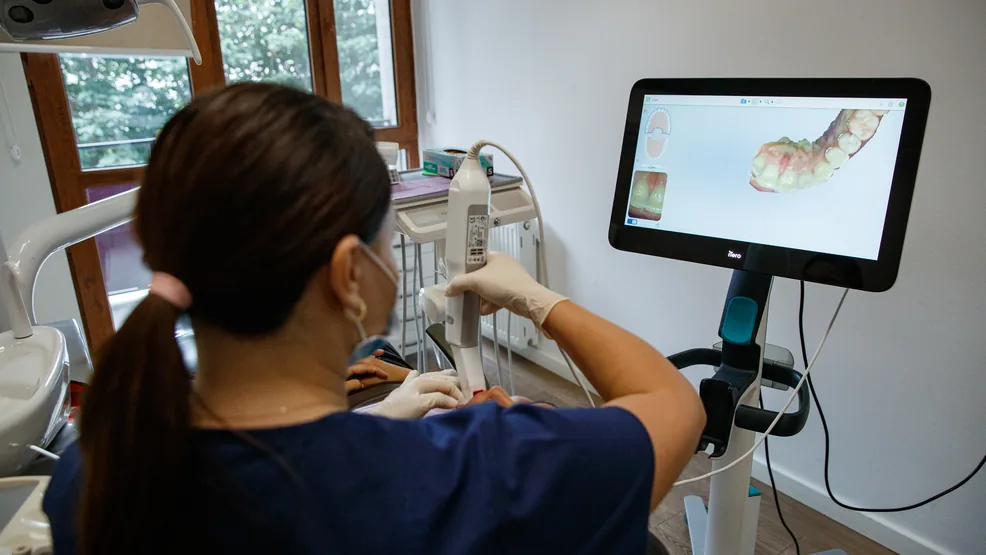
If you have a toothache now or have had one in recent days, do not put off your visit. Schedule a consultation at “NB Dental – Nino Beridze Clinic”. Our team will determine the cause of the pain and carry out treatment in a calm, comfortable environment.
Frequently Asked Questions
How soon should I see a dentist if my toothache has subsided on its own?
Schedule a visit within the next few days, because the easing of pain does not always indicate recovery and is sometimes related to nerve damage. Timely examination and treatment increase the chance of saving the tooth.
How to relieve severe toothache at night?
For temporary relief, take a painkiller following the leaflet or place a cold compress wrapped in a cloth on the outside of your cheek. When lying down, rest your head on a slightly raised pillow.
Can you take antibiotics on your own for a toothache?
Take antibiotics only as prescribed by a dentist, because the choice of drug depends on the nature of the infection and your state of health. Antibiotics are not always necessary for toothache and cannot replace the treatment of the tooth itself.
Is dental treatment painful when you have severe toothache?
Treatment is performed under local anesthesia so that you do not feel pain during the procedure. The injection may cause brief discomfort. The dentist chooses the anesthesia method according to the condition of the tooth and checks whether the tooth is sufficiently numb before starting treatment.
Does the clinic treat children?
Yes, young patients are served by the NB Dental KIDS branch (1 Davit Tavkhelidze Street), where pediatric dentists also treat baby teeth. If a baby tooth hurts, see a dentist promptly as well, because the inflammation may affect the development of the permanent tooth bud.
Why do patients choose “NB Dental – Nino Beridze Clinic”?
“NB Dental – Nino Beridze Clinic” has been operating since 2010 and has two branches in Tbilisi. Its dental services are intended for both adults and children. The clinic uses modern digital technologies and high-quality materials.
How do I book a consultation?
To schedule a consultation, call us at (032 2) 32 22 27 or email us at info@nbdental.ge. The adult branch is located in Saburtalo, at 1a Davit Tavkhelidze Street. We receive patients from Monday to Saturday inclusive, from 09:30 to 20:00.
Where can I read more about tooth care and treatment?
You will find additional information on these topics on the clinic’s website. Our dental blog is dedicated to daily tooth care, common problems and treatment methods. If you have a specific complaint, schedule a consultation with a dentist.