Today people are so good at packaging themselves in accessories and clothes that the only thing left “unpackaged” is their smile. You can’t hide it, which is why it’s so important to take care of your teeth. But aesthetics isn’t the only function of teeth. They play an irreplaceable role in chewing and grinding food, and they are also important for making sounds.

What do we need to avoid dental problems? First of all, proper nutrition. Factors such as oral hygiene, heredity and others play an important role in dental health, but proper nutrition plays a decisive role in maintaining it.
A little dental anatomy
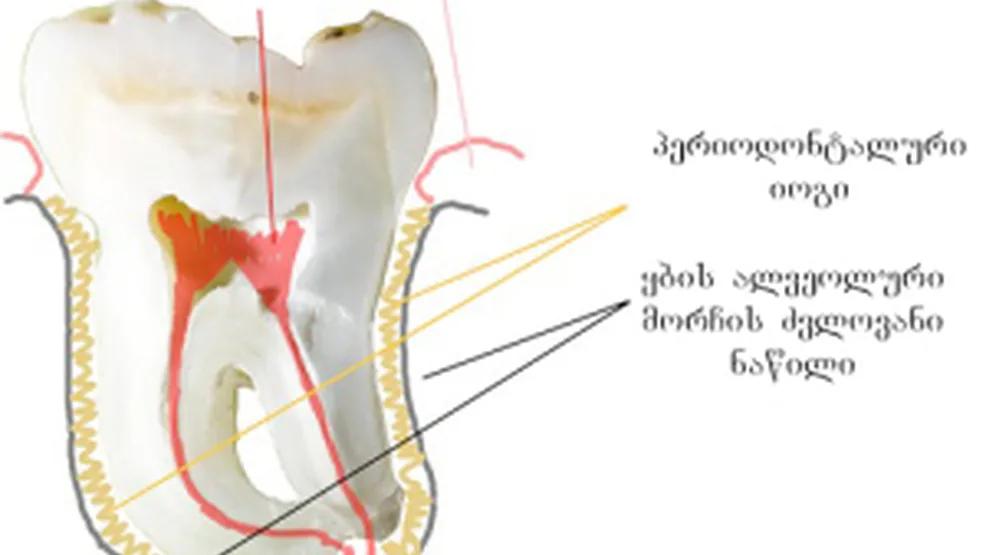
I’d like to draw your attention to the fact that a tooth is an organ just like a hand, a foot, the liver or a kidney. Like any organ, it has a specific structure that helps it perform its functions. At the center of the tooth is soft tissue – the pulp – made up of blood vessels, nerves and cells that produce dentin, the main substance of the tooth. In the crown, dentin is covered with enamel, and in the roots, with cementum. Enamel is the hardest tissue in the human body. It is 95% calcium salts, which makes it very strong.
Calcium
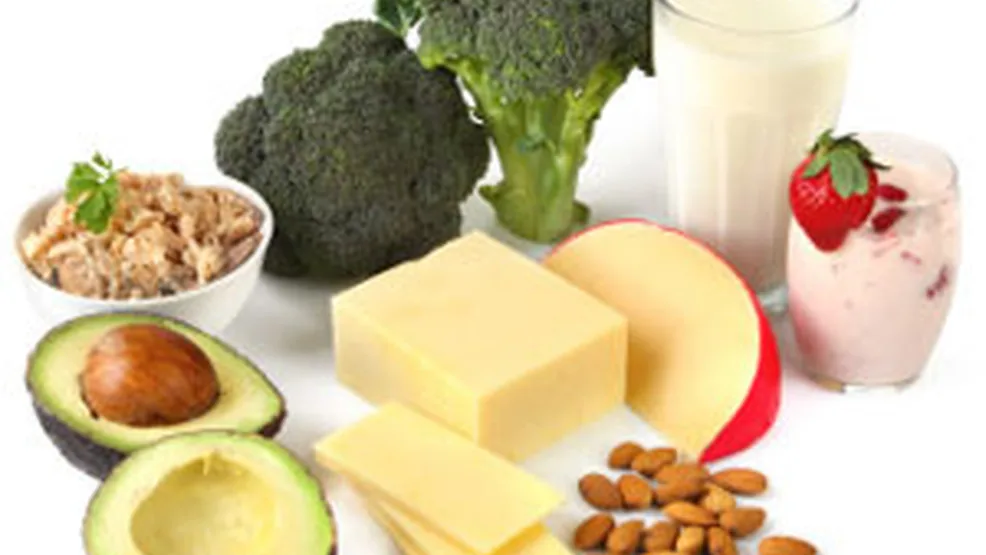
Since calcium is the main component of teeth, it’s very important to get it from food. Calcium is found in foods such as milk, cottage cheese, sour cream, fish, carrots, beets, legumes, almonds, grapes, honey, oranges, strawberries and the skins of all fruits and vegetables. We should also note that calcium can’t be absorbed properly without vitamin D. That’s why calcium supplements on the market always contain vitamin D as well. Our body has the unique ability to produce vitamin D under sunlight. So proper nutrition and a little sunbathing will help you stay healthy.
Phosphorus
Calcium isn’t found in free form in teeth. It is chemically bound to phosphates in hydroxyapatite and fluorapatite. Without phosphorus, enamel wouldn’t be so strong and couldn’t do its job. That’s why dentists always advise getting enough phosphorus along with calcium. It is found in green peas, nuts, grains, celery, fish, meat and soy.

Fluoride
A newly erupted tooth contains hydroxyapatite. Over time, fluoride ions penetrate this structure, forming fluorapatite in the subsurface layer of the enamel. This makes the enamel more resistant to acids and strengthens its anti-caries effect.

What contains fluoride? Its main source is water, so there is a direct link between drinking water and the spread of caries. This problem can’t be solved individually, which is why successful countries fluoridate water centrally. For us today, one solution is fluoridated salt. Depending on the patient’s individual condition, a dentist may prescribe fluoride tablets, although taking too many isn’t advisable either.
Iodine
Iodine plays a crucial role in keeping the human body healthy – from maintaining hormonal balance to supporting brain function and the normal functioning of the cardiovascular system. A lack of it also causes serious problems in the mouth, in particular tooth decay. Iodized salt is recommended; seafood and fish oil contain large amounts of iodine, and seaweed is especially rich in it.

Why do teeth decay?
Caries is the most common dental disease. It involves calcium salts being washed out of the teeth, and oral bacteria play an important role in this. They multiply in dental plaque and tartar, which is why it’s so important to prevent plaque from building up. Diet plays an important role here. Carbohydrates in food are especially destructive – but not all of them. Bacteria use sugar, starch and foods containing them: sweet tea, jam, pastries, bread and baked goods, pasta, etc. These can stay in the natural grooves of the teeth for a long time and become food for bacteria. The bacteria then produce acids, which in turn break down the enamel. This is how teeth lose calcium, bacteria penetrate deeper and caries develops.

Dentists’ tips
To protect yourself from caries, follow these nutrition rules:

1. It’s essential to limit caries-causing carbohydrates in your diet. To do this, it’s enough to cut down on sweets – for example, put honey in your tea instead of sugar. Incidentally, honey contains natural sugar that oral bacteria can’t use.
2. At the same time, increase your intake of plant fiber, found in fruit and vegetables. Fiber is inaccessible to oral bacteria and is also good for the intestines, where it acts as a “broom”.
3. Don’t forget the mechanical effect of fruit and vegetables either. It’s better to eat a whole apple or carrot than the same thing grated in advance. Hard food naturally cleans the teeth.

4. Some foods increase saliva flow: sour vegetables and fruit, meat and cabbage broths. More saliva strengthens the anti-caries effect, because it rinses bacteria off the teeth, and it also contains the antibacterial substance lysozyme and calcium, which penetrates the enamel and strengthens it.
But these rules don’t mean you have to give up candy, chocolate, cookies and the other pleasures of a sweet life – especially since cutting out sweets reduces the production of endorphins, the happiness hormones.
Our advice is to brush your teeth after every meal, and when you can’t, rinse your mouth with warm water. Chewing sugar-free gum for 5-10 minutes is also fine.
There’s a saying: you are what you eat – and it certainly applies to teeth. Poor nutrition and inadequate hygiene lead to early caries and even tooth loss. By following these simple rules, you’ll not only be able to smile widely, but also feel confident and attractive in any situation.