When offered orthodontic treatment, many patients ask: “How am I supposed to walk around with all this metal?”
We want to reassure you – dentistry is developing, and fast, so treatment with a completely invisible brace system is now possible. This system is very interesting because it reflects a trend in modern dentistry: removing the human factor from treatment and making it individual.
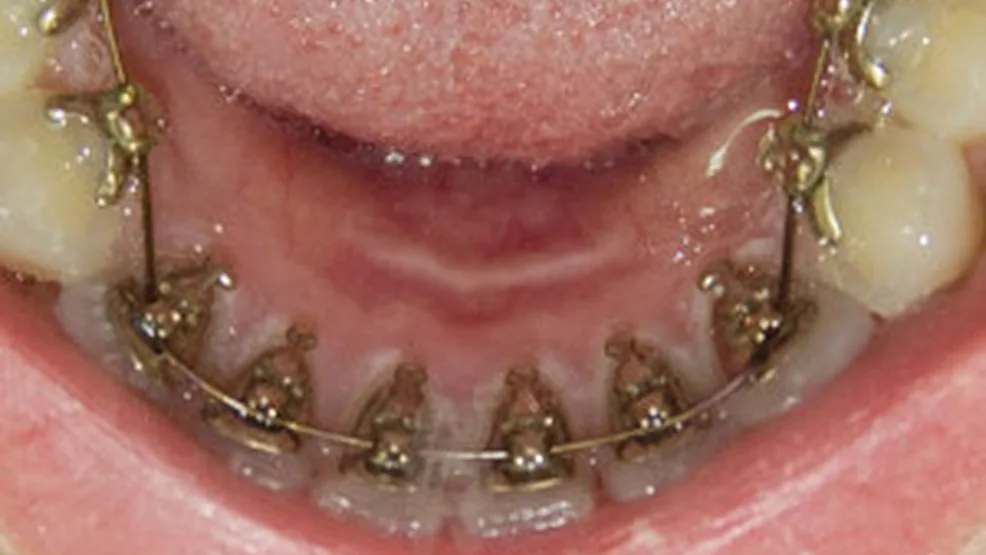
How are invisible braces fitted?
It’s no secret that in medicine, as in life, people make mistakes. With this in mind, the modern trend is towards automation and standardization.
Naturally, this trend has reached medicine too, and when many nuances and factors need to be taken into account to plan and carry out treatment, modern equipment helps doctors.
This approach is reflected in lingual braces. These are custom-made lingual (tongue-side) braces with custom archwires.
Importantly, special computer programs are involved in planning and predicting treatment, as well as in calculating the parameters of the brace system and archwires.
As a result, the patient gets exactly the result they expected, and the likelihood of orthodontic errors during treatment is practically eliminated.
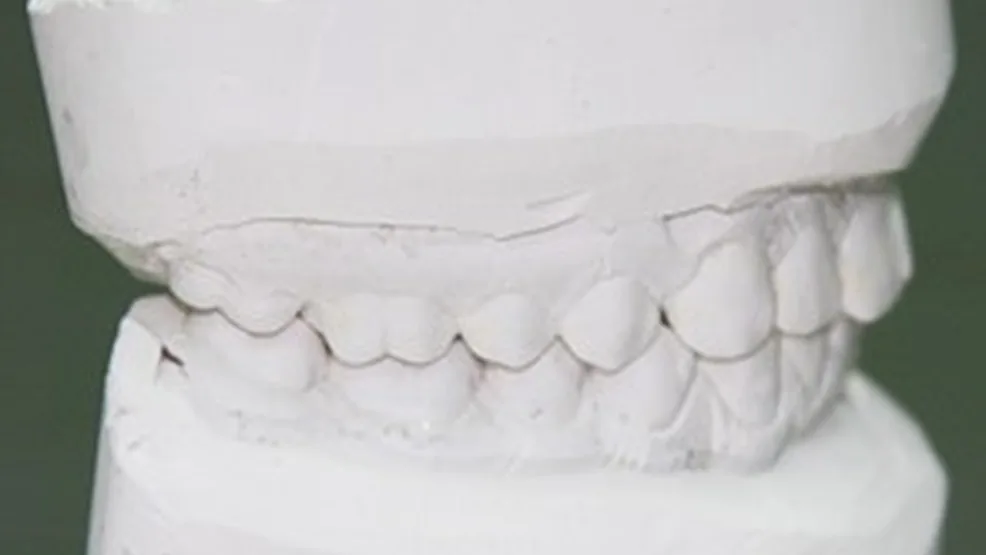
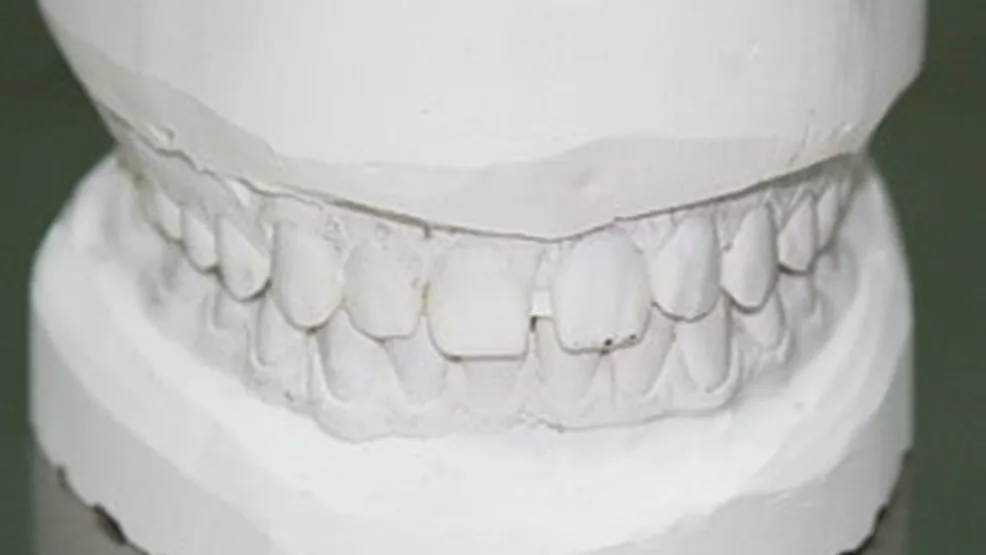
After all the necessary examinations, the orthodontist takes impressions of the teeth and sends them to a laboratory in Germany. Along with the impressions, a special form is sent describing the bite and other necessary information. German technicians cast models from the impressions. The models are then cut into segments and the teeth are set in the desired positions. These are called Setup models. They show what the bite will look like after treatment.
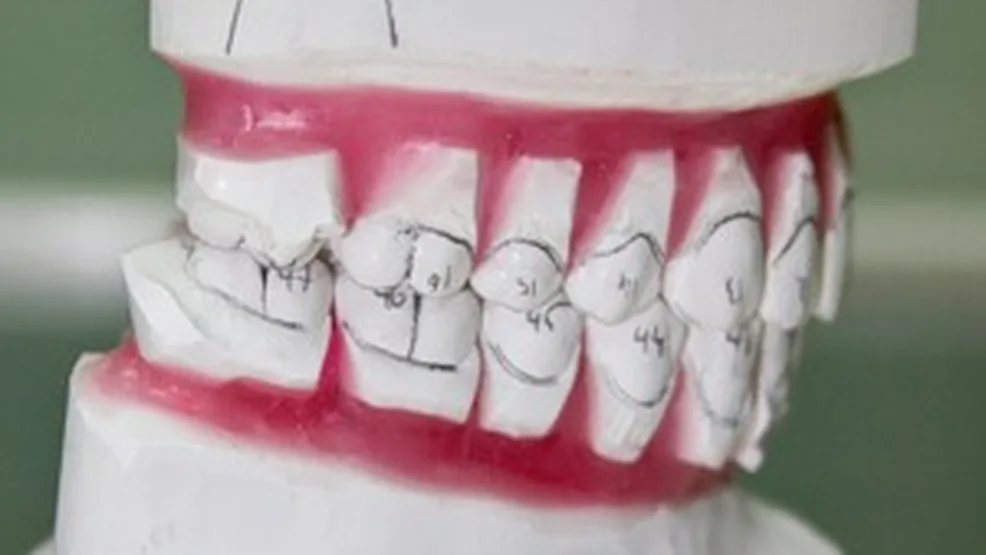
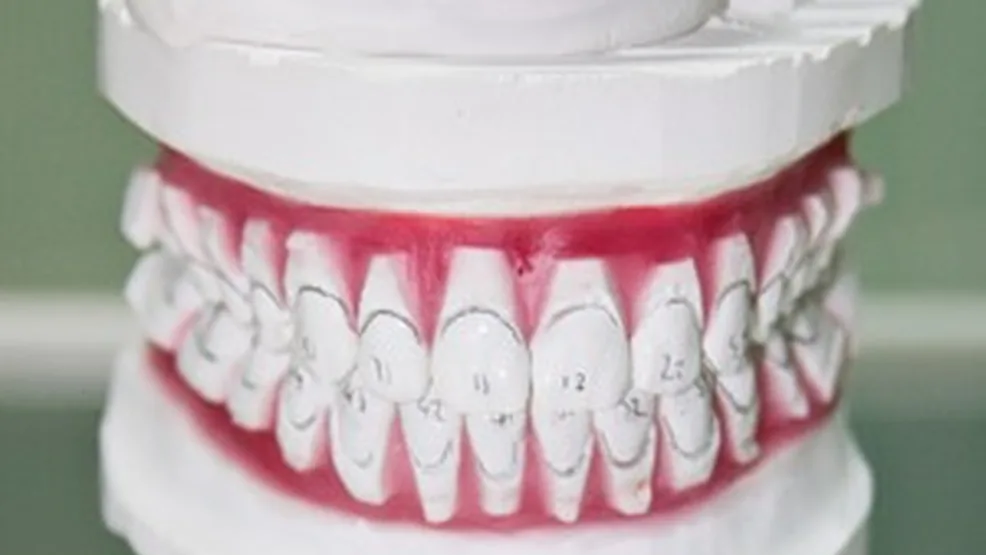
There is also a more advanced method that doesn’t require making Setup models. In this case, the patient’s impressions are scanned, and a special program moves the teeth and predicts the treatment.
At the next stage, the Setup models and impressions are scanned. Based on this, a computer calculates the parameters of the braces and archwires.
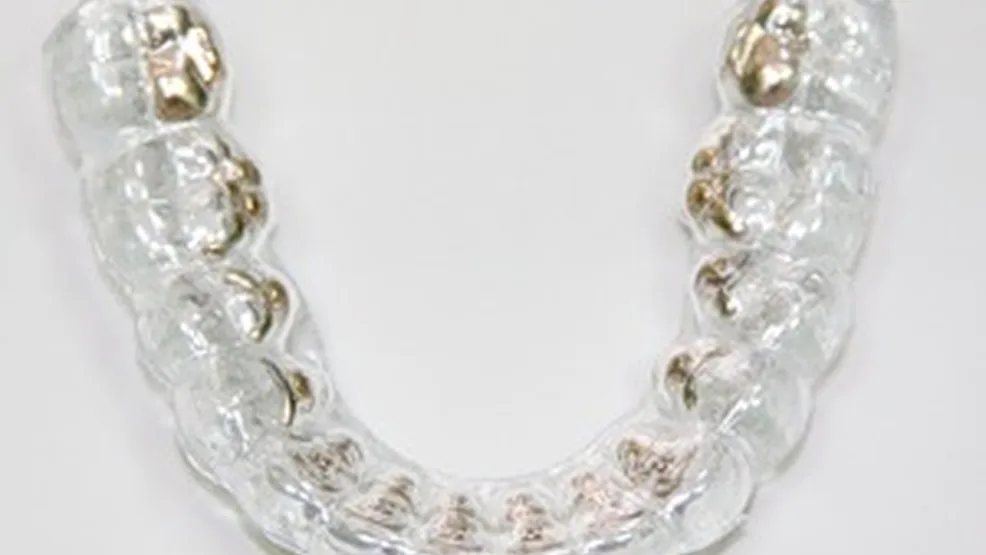
Using these calculations, a special machine makes custom braces. This means each tooth has its own unique brace, which makes treatment more effective and comfortable.
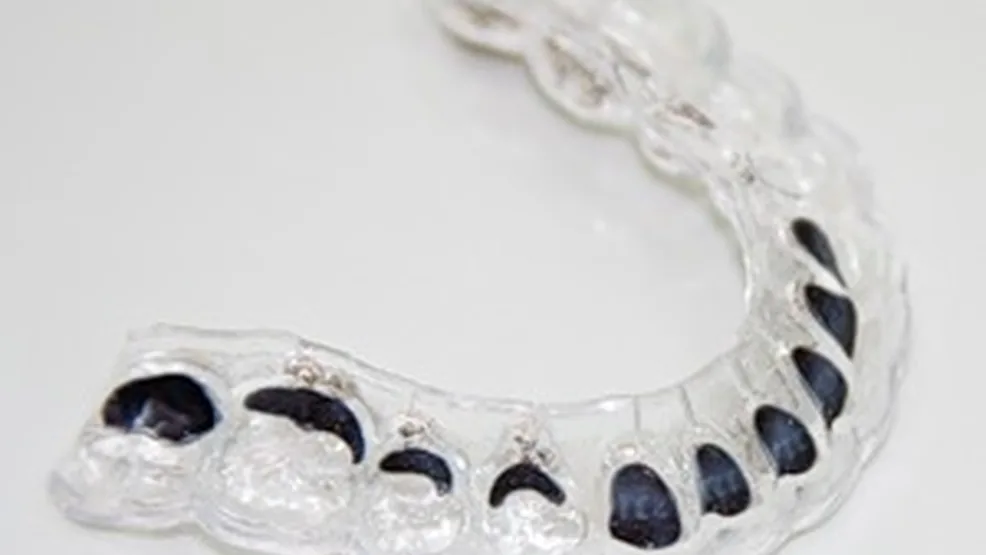
The finished braces are fixed in a special tray in a strictly defined order. They are packed with the archwires and the necessary documents and sent to the treating doctor.
The package contains the diagnostic and Setup models, the custom braces placed in trays, a set of archwires for the entire treatment period, and the necessary documents for the treatment plan.
When can treatment start?
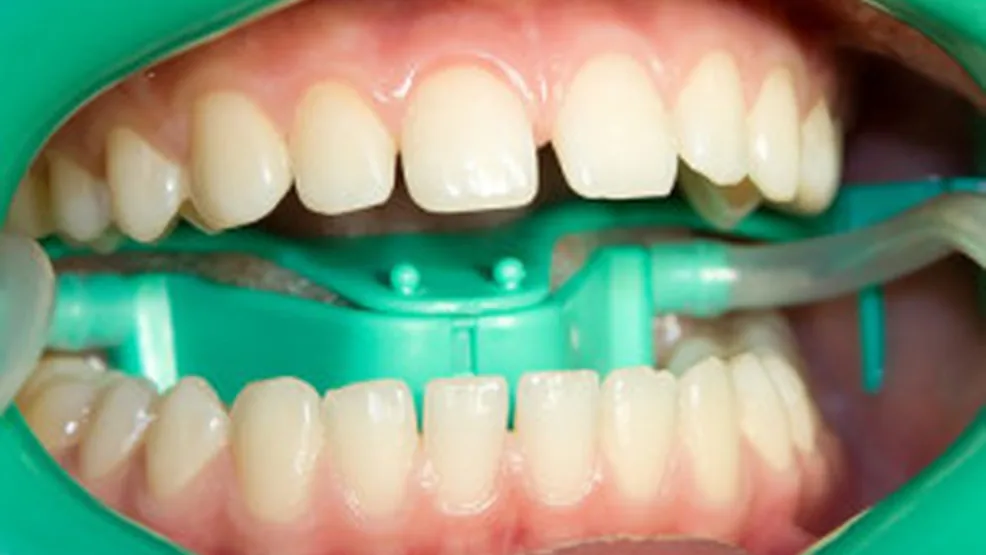
Before braces are fixed, every patient needs oral sanitation, a professional cleaning and training in personal hygiene skills.
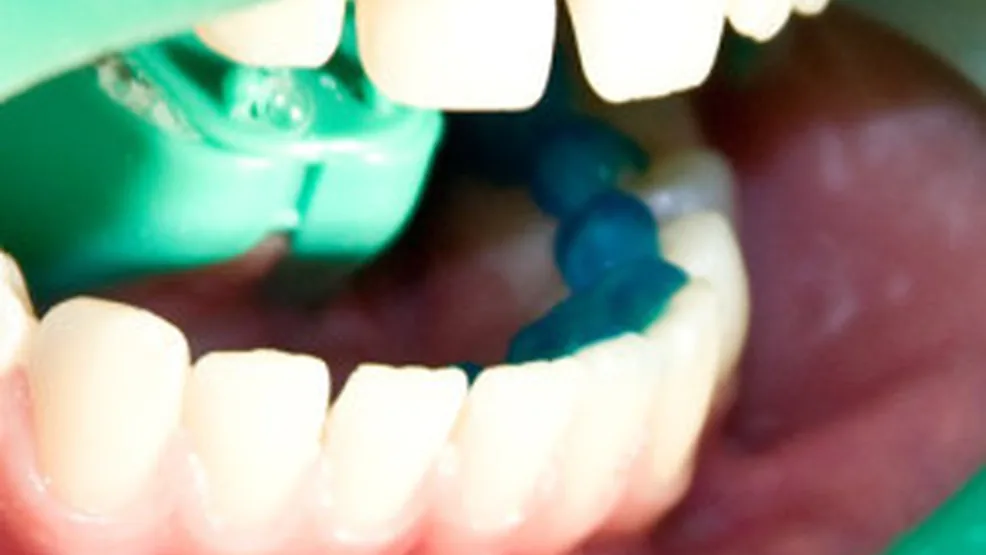
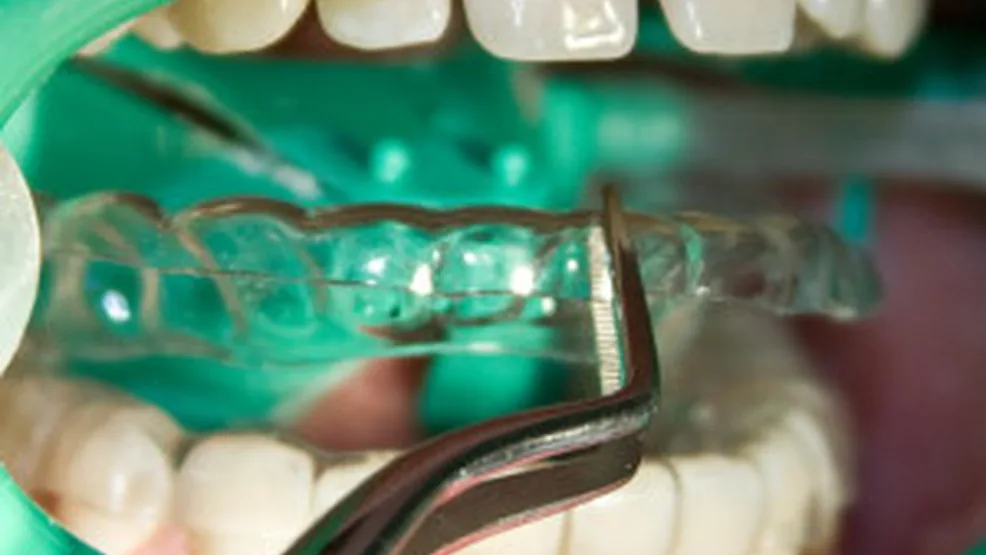
First, the doctor removes soft plaque. Then a special gel is applied to the tongue-side surface for acid etching. The aim is to create a rough surface on the enamel for better fixation. The gel is brightly colored so it’s easy to see. After 30-40 seconds the gel is rinsed off the teeth, and an adhesive (bond) is applied to the roughened surface. It’s needed for the brace fixing material to stick better to the enamel. While the assistant cures the adhesive with light, the doctor places a special fixing material on the inner surface of the braces. A special two-component, dual-cure (chemical and light) material is used for fixing. Since the braces are in a tray, they don’t need to be positioned individually. The doctor simply places the tray on the teeth and then cures it with light. As a result, the braces bond to the teeth in exactly the right places. All that’s left for the doctor is to remove the tray and attach the archwire.
These braces work on the same principle as outer (labial) braces. The archwire is made of a shape-memory material and has a certain bend and stiffness. The archwire fixed to the braces gradually returns to its original shape (like a spring), and this pressure is transferred to the braces. As a result, the teeth move.
It should be noted that in orthodontics the positioning of braces and the properties of the archwires play a very important role. Put simply, if a brace is attached incorrectly, it can lead to serious complications – even tooth loss.
With a custom brace system, incorrect positioning is ruled out, because each brace is made for a specific situation and a specific tooth. The brace is fixed in the tray and, when placed on the tooth, takes up exactly the position intended for it. That’s why this treatment method is predictable, and we don’t need to guess what the result will be.
The most obvious advantage is an aesthetic smile, since lingual braces are completely invisible when you smile. For those who are bothered by outer braces, this is a very important factor.