Since time immemorial, the pacifier has been considered an essential accessory for newborns and babies. In the first months, it not only calms the little one but also protects them from many discomforts. However, in recent decades doctors’ views have changed radically!
It’s not needed – end of story!
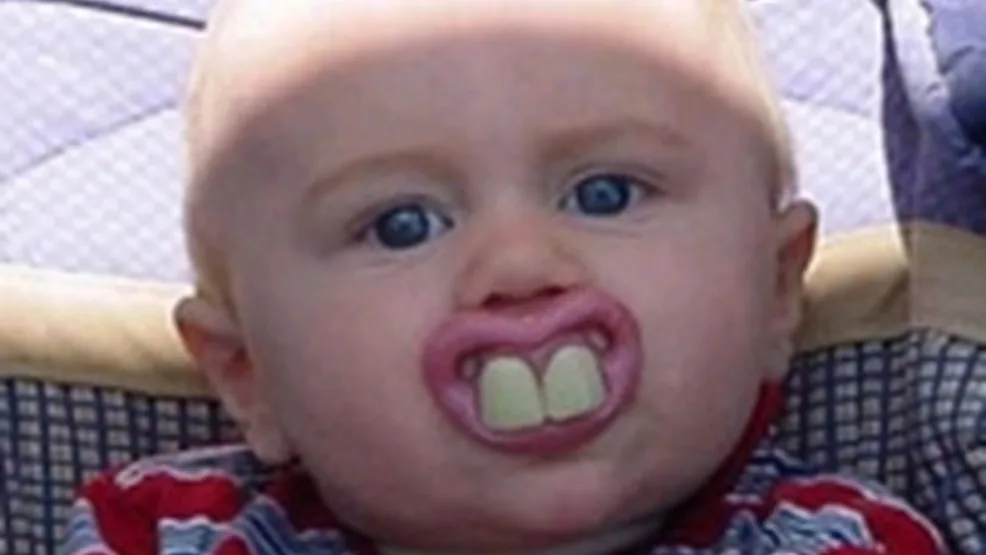
Pediatric dentists were the first to be alarmed: long-term use of a pacifier causes an incorrect bite (specialists call it an open bite). The incisors tilt forward and don’t touch each other, and the child’s face becomes deformed and starts to look like a rabbit’s. In addition, a very hard and large pacifier disrupts jaw development. Today pacifiers come in 3 sizes: for babies up to 4 months, up to one year, and from one and a half years. Even so, it’s better not to use the last size.
Speech therapists have objections too: tooth position anomalies caused by long-term pacifier use prevent children from making sounds correctly.
Neurologists also have complaints: in their opinion, long-term pacifier use hinders a child’s mental development.
Pediatric infectious disease specialists join the campaign against pacifiers as well, adding that the older a child who uses one is, the harder it is to keep the pacifier clean. When a child starts crawling or walking, it’s very hard to keep track of when and where the pacifier fell. Then parents wonder where their children’s gastrointestinal infections came from.
The most aggressive opponents say the parents are to blame for everything and that a child will manage perfectly well without a pacifier – that parents force their children to get used to it and then find it very hard to wean them off. Indeed, some children refuse a pacifier from the start, while most make it clear that they need one, and in the most extreme cases start sucking their fingers, tongue, lips, clothes and blankets.
Let’s give it – but carefully!
Modern pediatricians have rehabilitated the pacifier (though with certain conditions). There were many reasons for this, but the main one is that by banning the pacifier to eliminate certain problems, we create new ones.
There’s no escaping centuries of experience – a pacifier really does calm a baby. The reason is that nature has given babies an active sucking reflex. When a little one sucks, they are completely absorbed in it, focused, and completely cut off from the irritating and unpleasant surroundings.
It’s exactly this focus, this attentive sucking, that makes the baby less interested in what’s going on around them and reduces their activity. And this comfortable state becomes so attractive that the baby wants it to last as long as possible.
The baby now falls asleep only with a pacifier, and if it accidentally falls out, they start fretting and crying. So instead of calm, we get irritation.
The problem with bottle-fed babies
It has been proven that babies who were breastfed until one year old find it easiest to give up the pacifier. Breastfeeding takes quite a lot of effort – at least 15-20 minutes – during which the baby manages to satisfy the urge to suck. But a baby drinks the contents of a bottle in one go, after which the urge to suck remains unsatisfied. And the sucking reflex is paramount and outweighs all other desires. By leaving it unsatisfied, you lay the groundwork for many problems, including increased excitability and thumb sucking. In the future, this may turn into nail biting, chewing hair, a pathological love of chewing gum and a tendency to smoke. We find it impossible to link these bad habits to weaning off the pacifier early, although psychologists claim otherwise.
We act according to the situation
When breastfeeding, use a pacifier only in special cases (the baby is ill, tired, unwell or can’t fall asleep). Don’t offer a pacifier if there’s no need for it. The main thing is to help your little one give it up in time.
The right moment comes at 4-6 months. After 3 months, the baby no longer suffers from tummy aches, becomes calmer and reaches for the pacifier less. If you manage to take it away during this period, great; if not, there’s still time. Very soon the baby starts teething, and during this period using a pacifier as a natural soother is certainly acceptable. In any case, parting with it should happen during the first year, unnoticed and willingly – without any force.
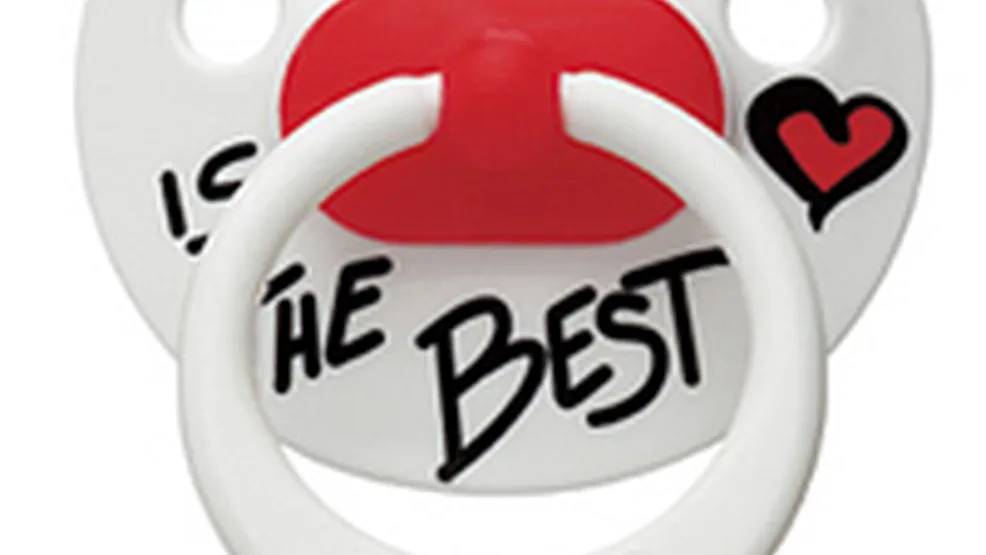
For bottle-fed babies, be sure to offer a pacifier after feeding so they can satisfy their sucking reflex. When they get tired, take it out of their mouth. It’s not advisable to take it away too early – wait at least until 6 months, then gradually start weaning them off it. During this period the need to suck decreases, and it’s best to turn the child’s attention to more important and interesting activities.
And what is it made of?
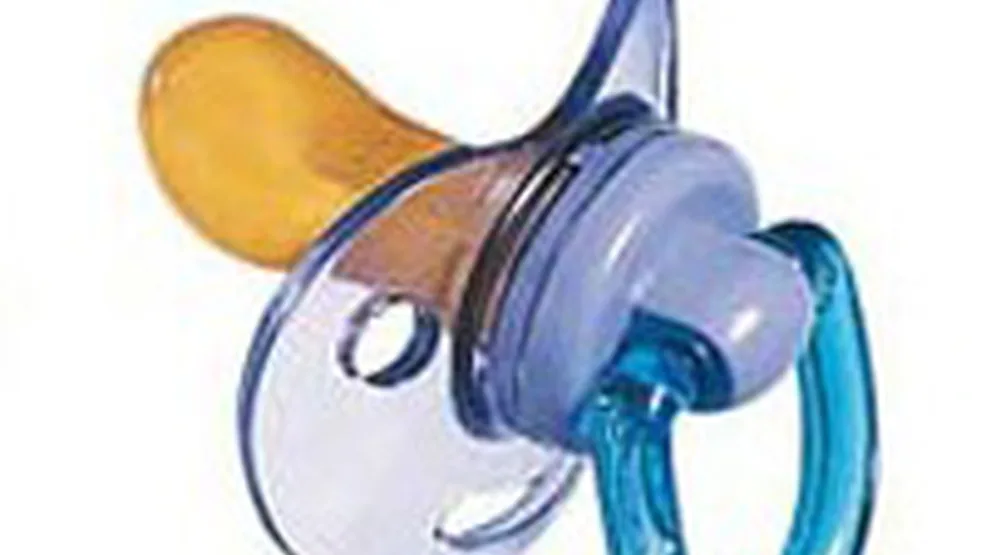
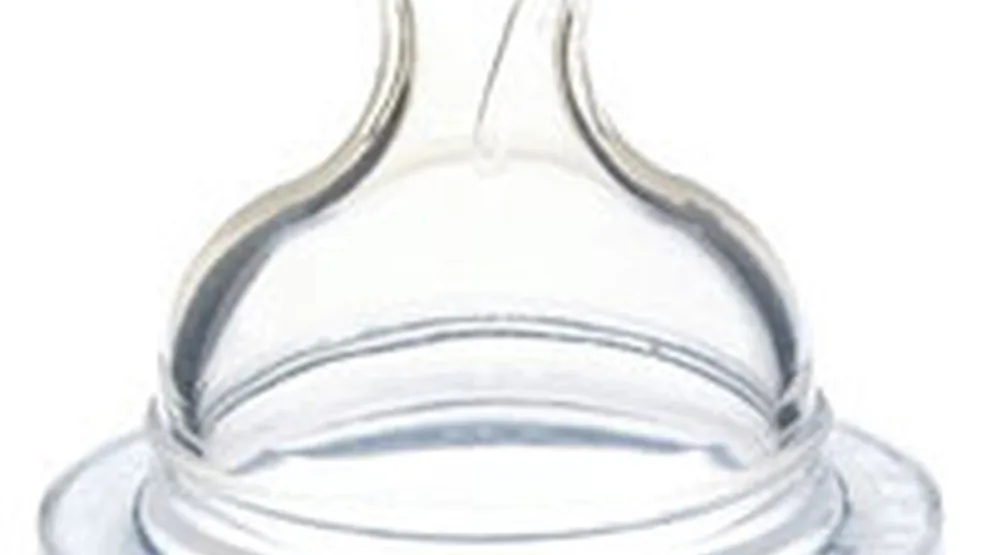
White pacifiers are made of silicone, yellow ones of latex. Latex sometimes causes allergies, which are often mistaken for thrush. If it doesn’t clear up despite treatment, try switching to a silicone pacifier. At a child safety research center, pacifiers are regularly tested for toxic elements, including N-nitrosamines, which may be present in latex. If the content is above the permitted level (10 µg/kg), the whole batch of pacifiers is destroyed. Certified pacifiers sold in pharmacies are not dangerous.
The secret of choosing
- Ask your pediatrician or pediatric dentist what kind of pacifier your little one needs – “cherry” or “drop” shaped.
- Buy pacifiers only in pharmacies and large stores where quality is guaranteed.
- Read the information on the packaging carefully: the child’s age should be stated.
- Check that the pacifier has no cracks or bubbles, which won’t withstand boiling and will cause it to break.
- Make sure the outer part of the pacifier isn’t too big for your little one’s face, but also doesn’t press against the nose.
- Make sure there really is an air vent in the base of the pacifier.
Weaning off the right way
Your child is already one year old and has no intention of parting with the pacifier? Persuade them to give it to a bunny or a bird. And when they start looking for it, remind them “how you gave it to the bunny, and she had little bunnies…”.
Some parents coat the pacifier with mustard or garlic… That won’t work: the child may burn their mouth, not to mention the psychological trauma. Try a trick instead, for example cutting off a small piece every day – when it becomes impossible to suck, the child will throw it away themselves. And if they try to find a substitute – sucking a finger or the corner of the blanket before sleep – gently take it away and try to distract them by rocking the crib and singing a lullaby.