Heredity, or the genetic factor, plays an important part in how our body is formed. There are many diseases linked to genetics, which means they are passed down from generation to generation.
Hereditary factors play an important role in shaping our appearance and body structure. What role do hereditary factors play in shaping our teeth? Could our ancestors have passed bad teeth down to us? Geneticists are still studying the effect of heredity on teeth.
Bad teeth is a very broad concept. It covers tooth damage, an incorrect bite, missing teeth, sensitivity and discoloration.
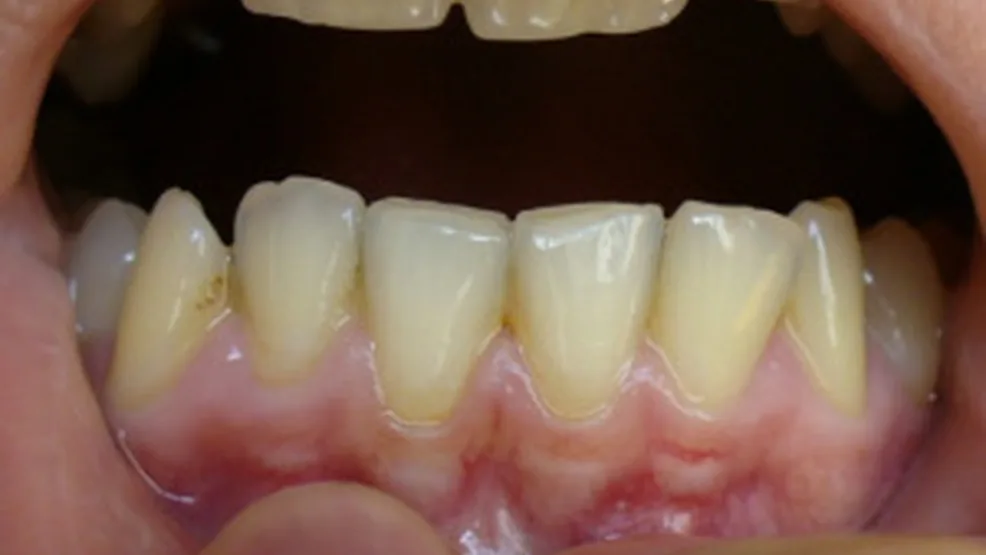
A person has 20 baby teeth and 32 permanent teeth. The absence of any of them may be due to genetic or environmental factors. Many of us are born without wisdom tooth buds, which is also genetic.
Genetic factors may act together with environmental factors – for example, viral infections and the effects of various procedures, such as radiation therapy and chemotherapy, cause tooth decay.
Genetic mutations can cause defects in tooth development. But their role in tooth discoloration is minimal. In this case, environmental factors dominate.
Nicotine and drug use contribute to dental problems. Bad teeth can also be caused by harmful habits, a preference for certain foods, poor hygiene and more.
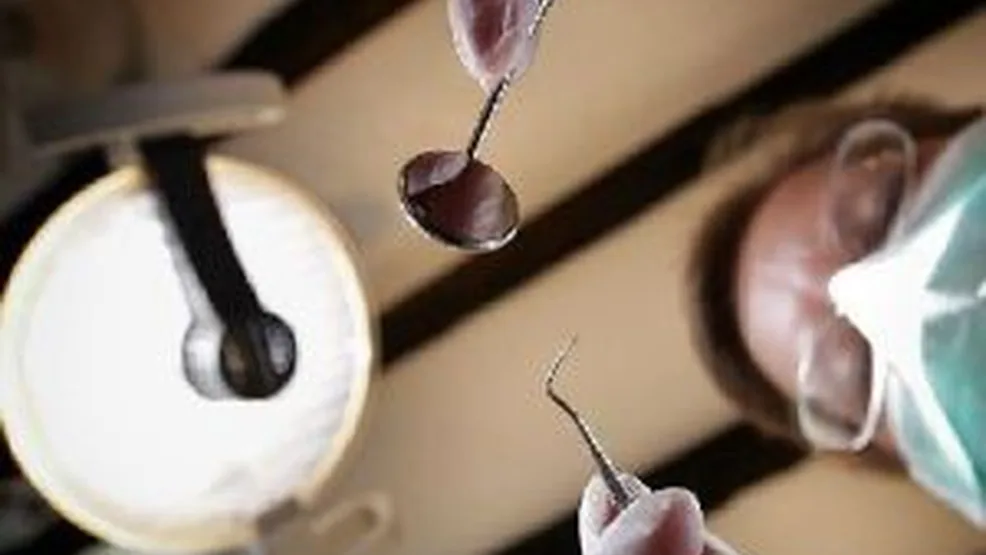
As soon as dental problems appear, you should visit a dental clinic, where a specialist will consult you and, if necessary, provide treatment.
Dental problems can also change your lifestyle and diet. To keep your teeth healthy, you need nutritious food rich in vitamins. Raw fruit and vegetables are very good for teeth, while large amounts of fizzy drinks only do harm. After every meal, especially sweets, be sure to rinse your mouth – this prevents plaque from forming on your teeth and bacteria from multiplying