Stomatitis is the general name for inflammatory diseases of the oral mucosa. Stomatitis most often appears as painful erosions and ulcers.
Stomatitis has various causes. Sometimes stomatitis is a manifestation of systemic diseases – pemphigus, streptoderma, systemic scleroderma, lichen planus, immunodeficiency. Fortunately, such forms of stomatitis are rare, and they are treated by specialists in the relevant fields.
The most common causes of stomatitis are:
- Mechanical damage to the mucosa – injury from food, broken teeth or poorly fitting dentures. Stomatitis caused by injury goes away within a few days.
- Burns to the mucosa from hot and spicy food. This kind of stomatitis passes quickly, as long as you don’t regularly eat scalding food, of course.
- Allergic reactions to food, medications or cosmetics – in this case, treatment of stomatitis either drags on or keeps recurring. Consulting an allergist will help you identify the allergen and prevent stomatitis.
- Infectious causes of stomatitis – herpetic stomatitis is very common. Candidal stomatitis often develops in people with bronchial asthma and those who use inhalers containing glucocorticosteroids.
- Depending on the type of pathological process in the mouth, stomatitis is divided into:
- Catarrhal
- Ulcerative
- Aphthous
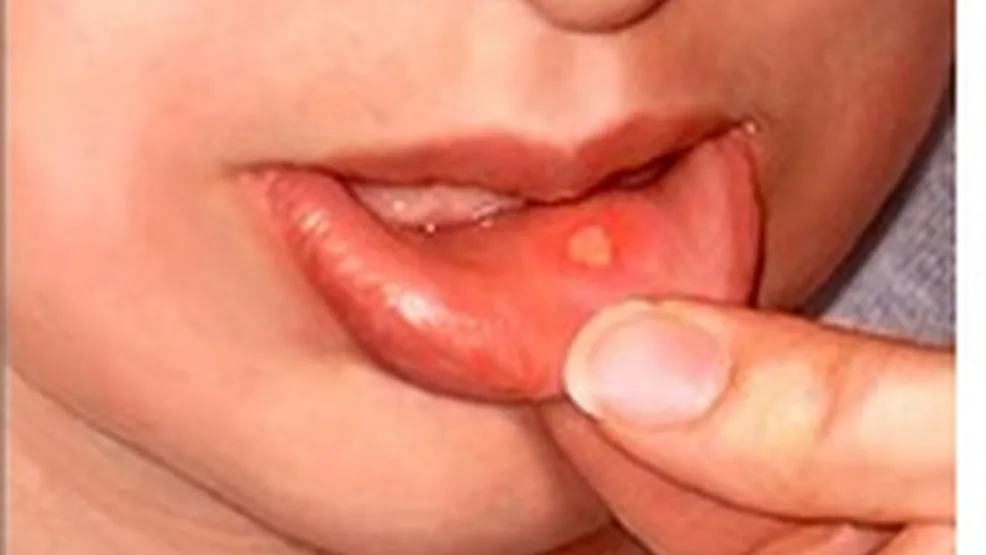
In catarrhal stomatitis, the inflammation affects only the upper layer of the mucosa. In the ulcerative form, the inflammation spreads to the deeper layers of the mucosa.
In aphthous stomatitis, multiple round defects appear on the mucosa. If you get stomatitis often or it doesn’t go away for a long time, be sure to see a dentist. Stomatitis can usually be treated at home. To shorten the illness as much as possible, it is important to follow a diet. Avoid chemical and mechanical irritants.

Thorough oral hygiene is essential, because pathogenic bacteria in plaque make stomatitis worse.
To speed up healing and prevent further infection, rinses with chamomile, sage, calendula and oak bark are good. Mild chemical antiseptics can also be used – chlorhexidine, furacilin. Special healing gels, antimicrobial or anti-allergic medications are used as prescribed by a doctor.
Herpetic stomatitis has a number of specific features. First, an area of the mucosa turns red, then small blisters (vesicles) with clear contents appear on it. The vesicles burst within 2-3 days, exposing a red, swollen surface. To treat herpetic stomatitis, the doctor prescribes antiviral and immunomodulating medications.
If the symptoms of stomatitis are accompanied by general weakness and a high temperature, be sure to see a doctor – this may be the early stage of a systemic disease.