
One of the most common human health problems is tooth decay, especially in our country, where environmental conditions, an unfavorable ecological situation and low social status lead to a wide range of diseases. In many cases, we ourselves add provoking factors to all this, such as tobacco.
So how exactly does tobacco increase the risk of caries?
Caries is damage to a tooth caused by demineralization of the tooth’s hard tissue. What causes it? In most cases, microorganisms attached to the tooth surface – specifically, their waste products, which are acidic by nature. This acidic environment acts quite powerfully on tooth tissue and, with poor hygiene, causes tooth decay.
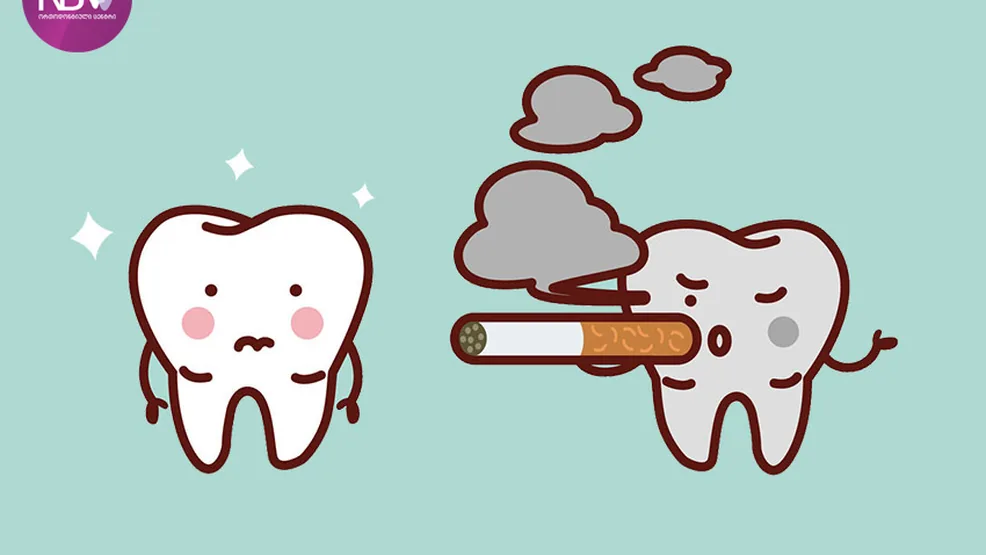
Various factors help microorganisms attach to the tooth surface (an already damaged area of the tooth, tartar, a poorly made filling or artificial crown, large amounts of sweets, etc.).
Research has established that tobacco products also strengthen the attachment of microorganisms to the tooth surface, since these products are very sticky themselves, and tobacco users quite quickly build up pigmented deposits on their teeth.
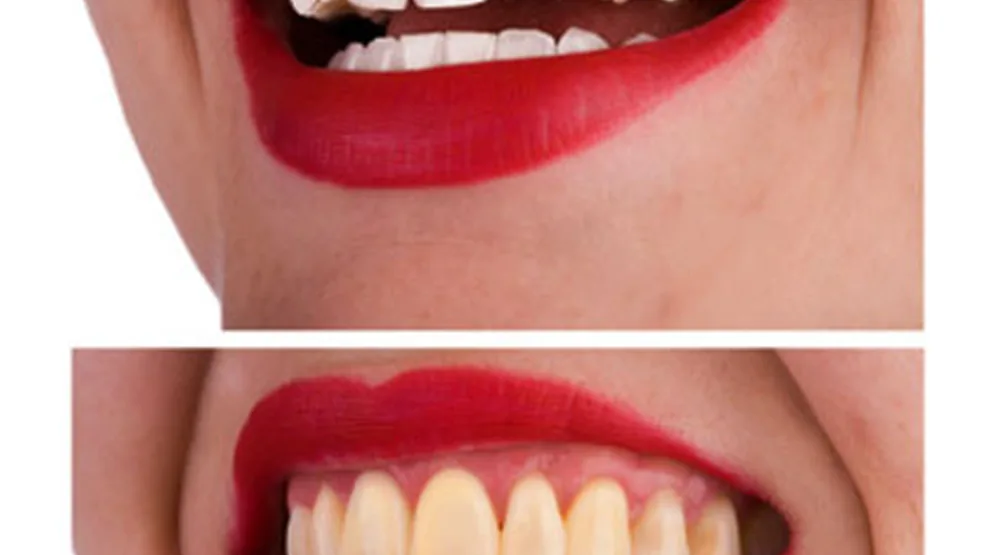
However, tobacco doesn’t just provoke caries. It helps entire bacterial colonies attach to the tooth surface, which also has a bad effect on gum health.
A person may take good care of their mouth, brushing often, visiting the dentist often and having preventive treatment, and there may be no visible problem. However, as research shows, tobacco increases the likelihood of gum disease several times over, and as a result, more teeth are lost.
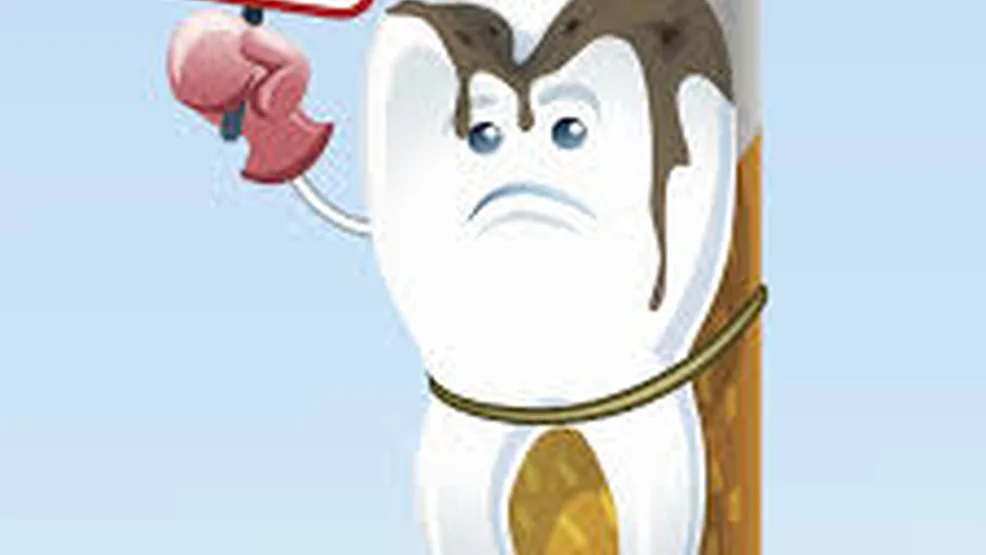
Nicotine narrows the tiny blood vessels and forms so-called fibrous connective tissue, even blocking their lumen. Microcirculation is disrupted, and there is less tendency to bleed; the gums don’t take on the bright red color typical of inflammation, which is exactly why the person thinks they are healthy. But no – because of the spasm of the blood vessels, the activity of polymorphonuclear leukocytes and monocytes/macrophages slows down, meaning the fight against infection is impaired.
In the inflamed area, nicotine increases interleukin-6 and tumor necrosis factor alpha, which makes the inflammation even more severe. However, because of the spasm of the blood vessels, signs of inflammation may not be visible and the process may run hidden, which is even more destructive for the gums. In smokers, inflamed gums heal and recover less well than in non-smokers, which of course has a negative effect on treatment results.
Finally, the harmful effect of nicotine on the body is a reality that has now been scientifically proven through research and experiments.
Smoking is harmful to your health!