Follow all of these instructions. Of course, your orthodontist will give you additional instructions during treatment, but these are the essential rules.
During treatment with braces, you must not:
– Bite into food. It’s best to cut or break all food into small pieces and chew it with your back teeth.
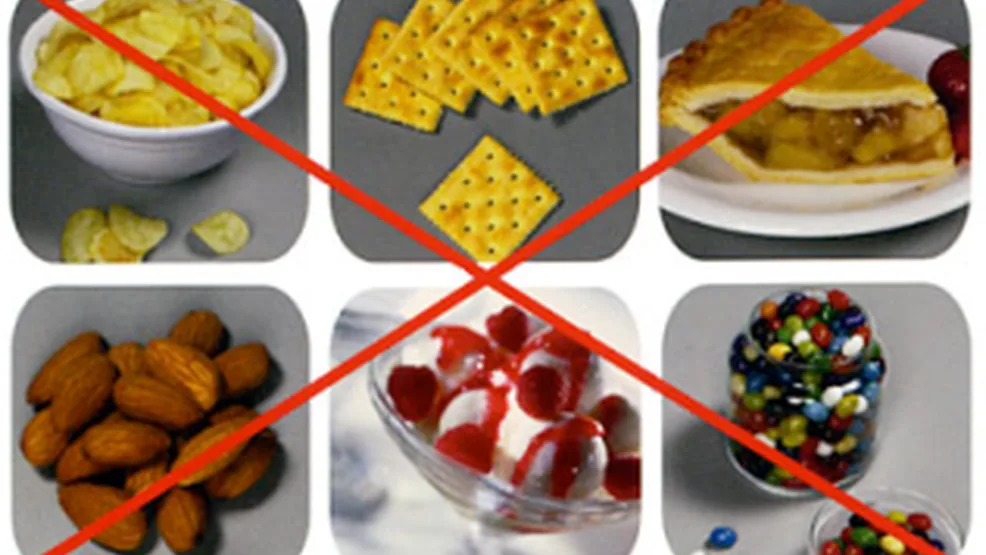
Avoid:
Crisps, nuts, sunflower seeds, popcorn, etc., as these foods can damage the appliances.
Wafers and cookies stick to the braces so that you can’t remove them
Hard bread rings, bagels and rusks will break the archwire and dislodge brackets and bands.
You must give up chewy, sticky foods: halva, toffee, etc. For most people, the most painful loss is chewing gum. It’s very hard to remove from orthodontic appliances.
This recommendation is related to the law of physics according to which different bodies change volume under the influence of temperature. As a result, we should avoid very hot or cold foods, and especially rapidly alternating them (e.g. iced coffee). Metal braces expand at high temperatures and may come off the enamel. A sharp change in temperature can also change the properties of the orthodontic archwire.
Cut carrots, apples and other hard fruit and eat them in small pieces. The same applies to meat and all foods you would normally bite into.
Never chew pencils or pens, and certainly don’t bite your nails.
During treatment with braces (but not lingual ones), especially plastic braces, you should limit staining liquids and foods. Coffee, dark tea, blueberry jam, etc. can stain clear braces and the bonding material. You should also cut out drinks such as Coca-Cola, Fanta, Sprite, etc., because these drinks increase the risk of caries, especially during treatment with fixed appliances.
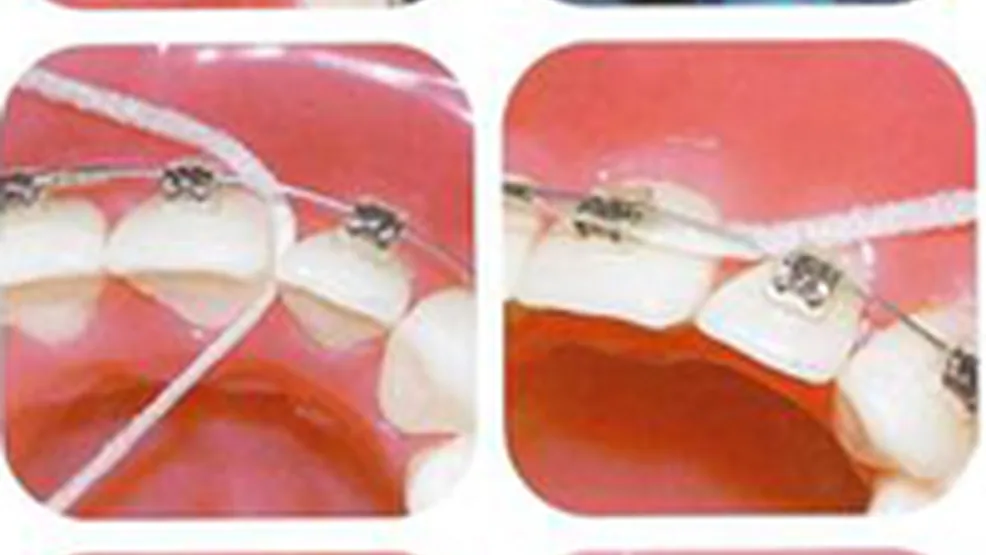
During orthodontic treatment, especially large amounts of food debris, plaque and bacteria collect around the braces, which can lead to caries. Caries appears around the braces, not inside them!
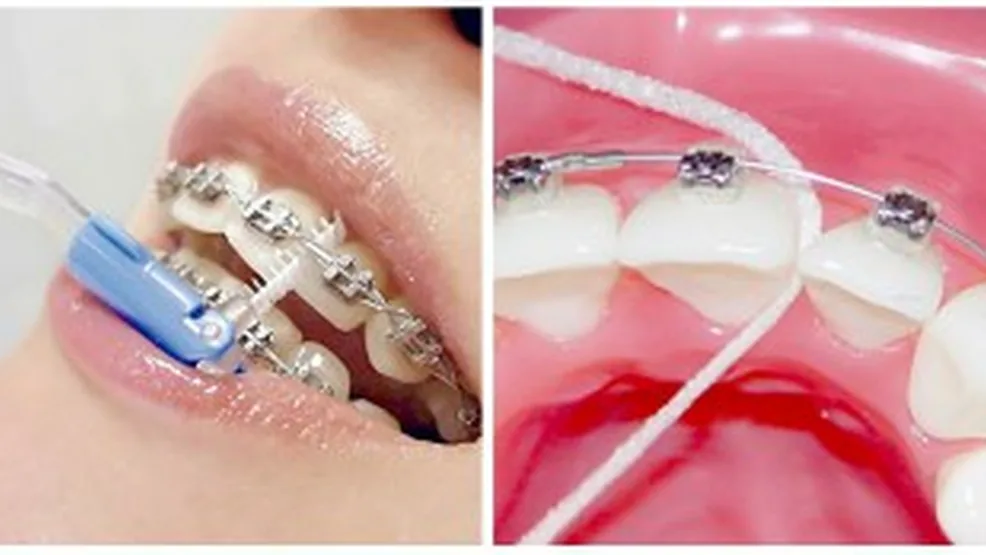
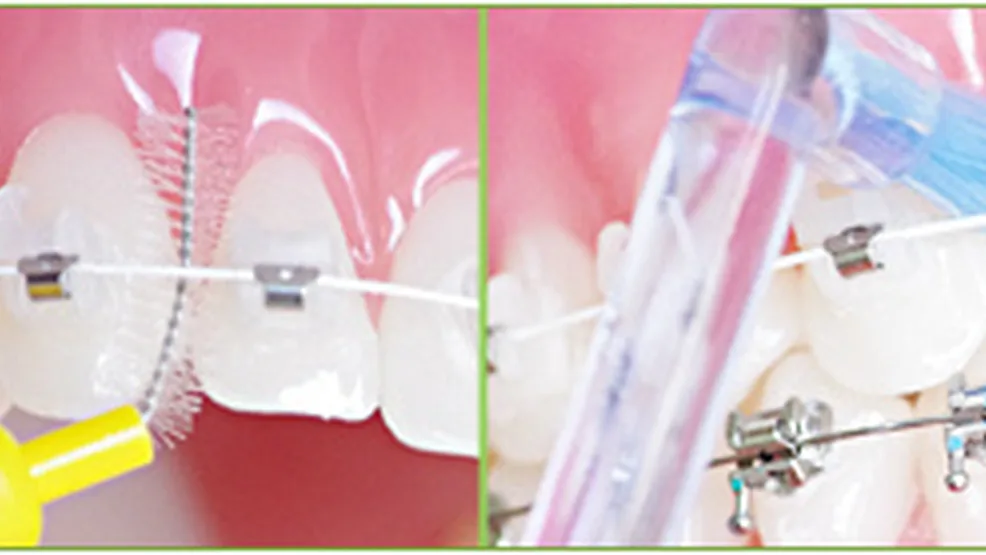
During treatment with a brace system, the patient must keep up the highest level of hygiene. You must brush your teeth after every meal. Use a toothbrush, floss and interdental brushes. Interdental brushes are ideal for cleaning the spaces under the archwire and between the teeth.
After this, brushing continues as usual, as without braces. Hold the brush at a 45° angle to the gum and clean with sweeping movements, 2 teeth at a time, about 10 times. Repeat on the next 2 teeth, and so on. Do the same on the palate-side and tongue-side surfaces. Don’t forget to brush the chewing surfaces.
Finish cleaning with “super floss”. Finally, rinse with a fluoride mouthwash. It’s best to choose toothpastes with a higher fluoride content to strengthen tooth enamel.
At the start of orthodontic treatment, a bracket may irritate the lip or the cheek mucosa. In this case, you can stick special orthodontic wax on it. After 3-7 days the mucosa adapts and these unpleasant sensations go away.
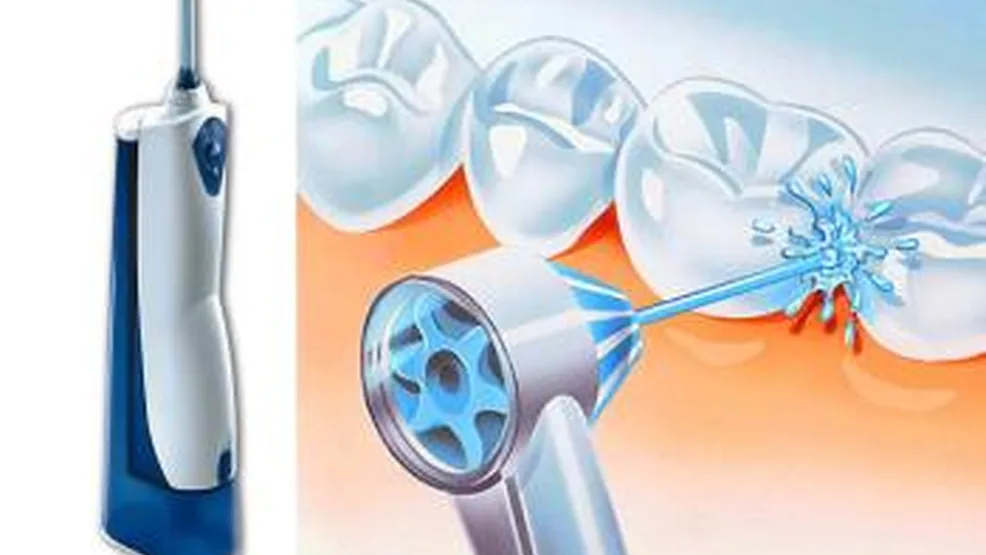
It has been proven that a toothbrush and toothpaste alone are not enough for good oral care. If you want to care for your teeth and gums effectively, you need to use interdental hygiene products regularly. However hard you try to clean between your teeth, there are still places that even the most expensive and modern toothbrush can’t reach. Because they’re awkward to reach, the inner surfaces of the teeth (palate side and tongue side) and the back teeth usually remain relatively uncleaned. So it turns out that we brush well only the easy-to-reach places, while the hard-to-reach ones, which make up the majority, mostly remain uncleaned.
Finally, I’d also like to stress the importance of cooperation between orthodontist and patient. Your help affects your treatment and the result. To get the perfect smile, you need to be the best patient. The most important recommendation: during orthodontic treatment, you must not miss appointments. See your doctor regularly at the scheduled times. And don’t forget the recommendations listed above.