



NB Dental - Nino Beridze's Clinic is one of the first specialised orthodontic centres in Georgia, where, before braces are placed, orthodontists carry out diagnostics with modern digital technologies and assess the position of the teeth, the bite, the relationship of the jaws and the facial proportions. Based on the data obtained, they choose the type of braces and plan the stages of treatment so that, after the teeth are straightened, the smile fits the patient's facial features harmoniously.
When are braces used?
Orthodontics treats bite disorders. Braces are most often used in the following cases:
What types of braces do we use at NB Dental - Nino Beridze's Clinic?
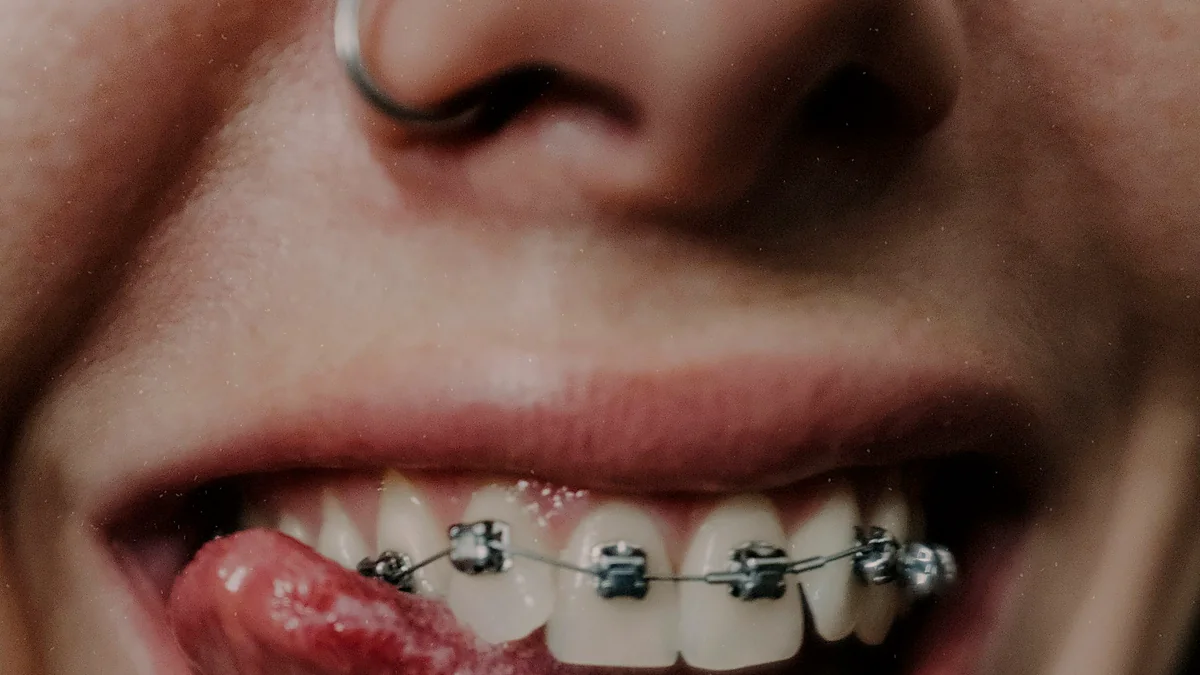
Orthodontic braces are fixed to the teeth and connected to each other with a metal archwire. The archwire applies gentle pressure to the teeth, as a result of which they move slowly and the bite is corrected step by step.
NB Dental - Nino Beridze's Clinic is a dental clinic in Tbilisi where metal, ceramic and self-ligating braces are used for treatment.
Metal braces
Metal braces with ligatures are one of the most common systems in orthodontics. The archwire is attached to each bracket with a small elastic, a ligature, which the orthodontist replaces during scheduled visits. Metal braces are durable, are used for various bite disorders and are the most affordable compared with other systems.

Ceramic braces
Ceramic braces are made of a translucent material and are less noticeable. In this case, too, the archwire is attached with ligatures and the teeth are straightened step by step. This type of braces is often chosen by patients who want the system to be less visible during treatment.
Self-ligating braces
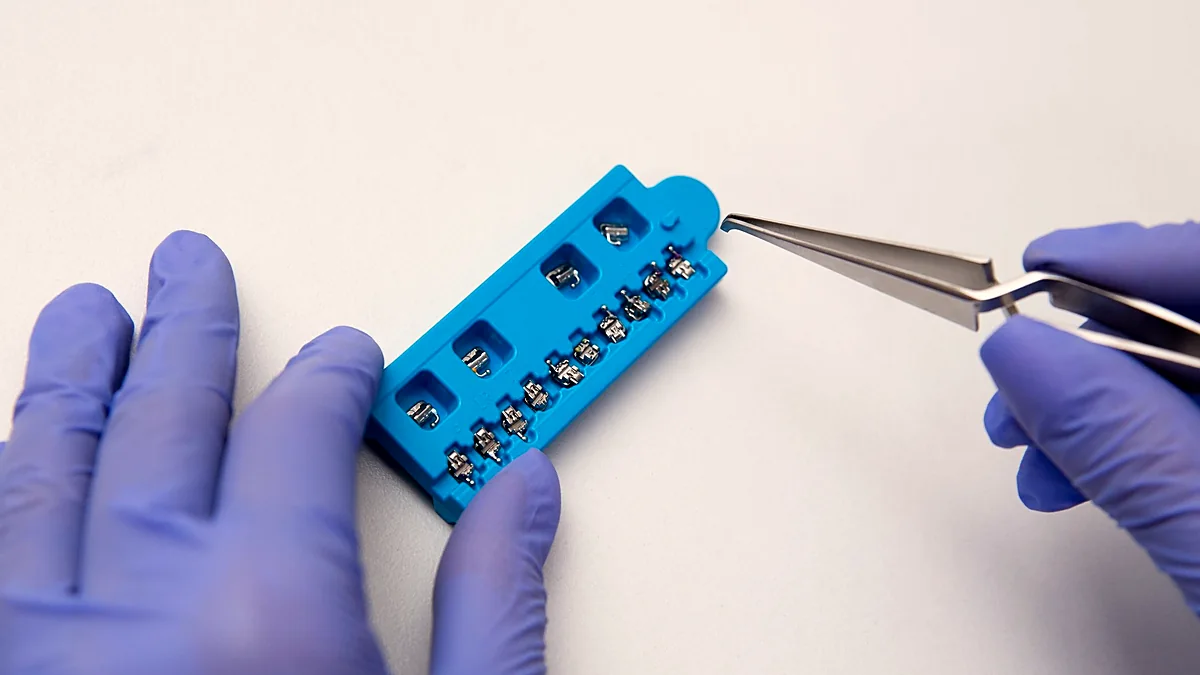
Self-ligating braces do not need elastic ligatures, because the archwire is held by a clip built into the bracket. This mechanism reduces friction between the archwire and the bracket, and the teeth move with gentle pressure. Since there are fewer details on the surface of the braces, they are also relatively easy to clean. In some cases, the interval between scheduled visits may also be longer.
The orthodontist will tell you which type of braces suits your case based on the results of the diagnostics. The choice is influenced by the condition of the bite, the expected duration of treatment and your wishes. The brace itself is only an aid in this process, while the result is determined by accurate diagnostics, correct planning and the professionalism of the orthodontist.
How are braces placed and how does treatment proceed?
Consultation and digital diagnostics
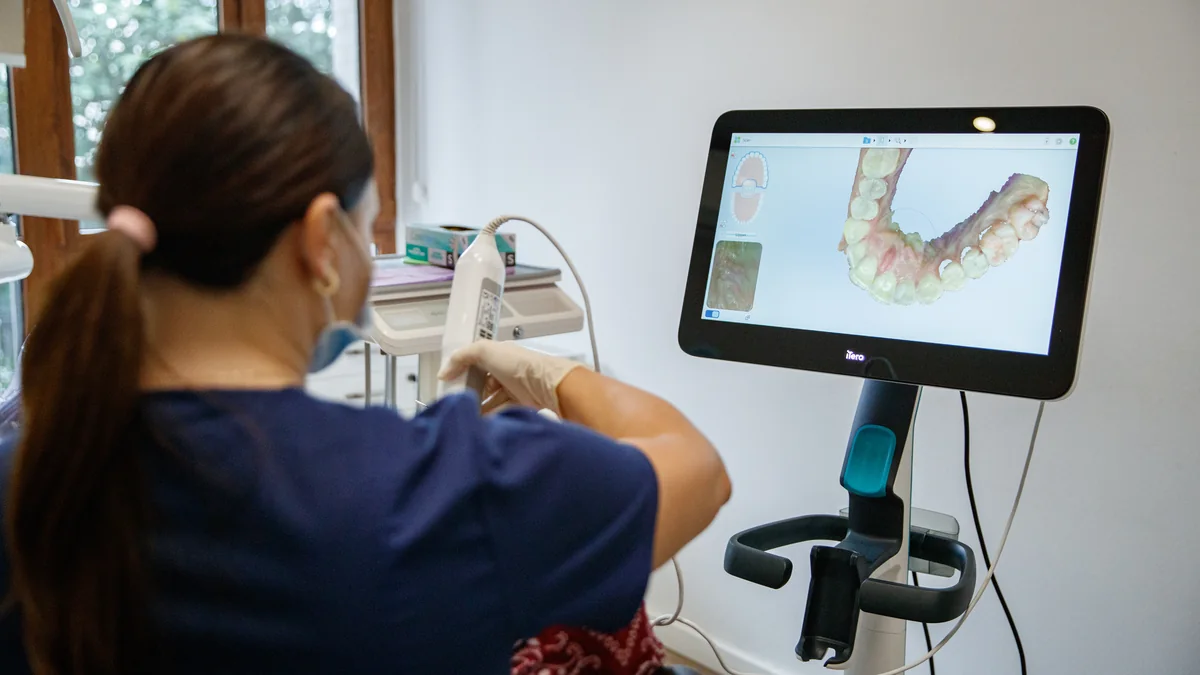
First, the orthodontist assesses the condition of the oral cavity together with the bite, the relationship of the jaws and the facial proportions. For diagnostics, 3D tomography and the iTero scanner are used. With the data obtained, the orthodontist sets the goal of treatment, its stages and the sequence of tooth movement, and then determines which type of braces is suitable for the specific case. The iTero scanner, which NB Dental - Nino Beridze's Clinic was the first to use in Georgia, shows the patient before treatment begins what the result may look like. If caries or gum inflammation is detected during the examination, or a tooth needs to be extracted, the appropriate procedures are carried out first, and the braces are fixed only after that.
Placing the braces
According to the plan drawn up in advance, the orthodontist attaches each bracket to the tooth surface with a special material and then places the orthodontic archwire in the brackets. The archwire presses gently on the teeth, as a result of which they move in the predetermined direction.
Scheduled visits and activation of the braces
While the braces are worn, the orthodontist periodically assesses the condition of the teeth and adjusts the system, replacing the archwire or other parts if necessary. The frequency of visits and the duration of treatment depend on the pace of tooth movement, which is different for every patient.
Removing the braces and maintaining the result
After treatment is completed, the orthodontist removes the braces, but the bone and soft tissues around the teeth need time to adapt to the new position. During this period, the teeth may move back towards their old position, so to maintain the result the patient must wear a retainer (a retention appliance).
What does the price of braces depend on?
The price of braces varies according to their type, the condition of the teeth and the duration of treatment. The exact amount is determined after the consultation and diagnostics. The orthodontist will also present the plan to you, so you will know in advance which stages lie ahead and which services are included in this amount.
At NB Dental - Nino Beridze's Clinic you can pay in instalments or use the instalment plans of our partner banks.
You can book a visit to the dentist by calling (032) 2 32 22 27 or by e-mail at info@nbdental.ge.
What you absolutely need to know about wearing braces
Food debris and plaque accumulate easily around braces, so you need to clean your teeth thoroughly every day. In addition to a regular toothbrush, you will also need an orthodontic or interdental brush, because it cleans the places that a regular brush cannot reach. The orthodontist will select the necessary tools for you and teach you how to use them.
To avoid damaging the braces, you should avoid excessively hard and sticky food. If a bracket or the archwire comes loose, breaks or causes any discomfort, you must contact your orthodontist, because the damaged part may irritate the cheek, lip or gum and prolong the treatment period. The orthodontist will check the system and repair or replace the damaged part.
Why do patients choose NB Dental - Nino Beridze's Clinic for treatment with braces?
Orthodontics is one of the main areas of NB Dental - Nino Beridze's Clinic. The clinic's team of expert orthodontists has more than 16 years of experience in managing both standard and complex cases. These include correction of a complex bite, treatment planned during a child's growth, and cases that require the involvement of professionals from other fields.
It is worth noting that the founder of the clinic, orthodontist Nino Beridze, is among the first certified Invisalign specialists in Georgia, and today every orthodontist at the clinic holds this certificate.
The clinic's dental services cover several areas, so if the involvement of a periodontist, surgeon, therapist or prosthodontist becomes necessary during treatment with braces, the specialists coordinate every stage with each other in advance and the patient receives the appropriate service in the same space.
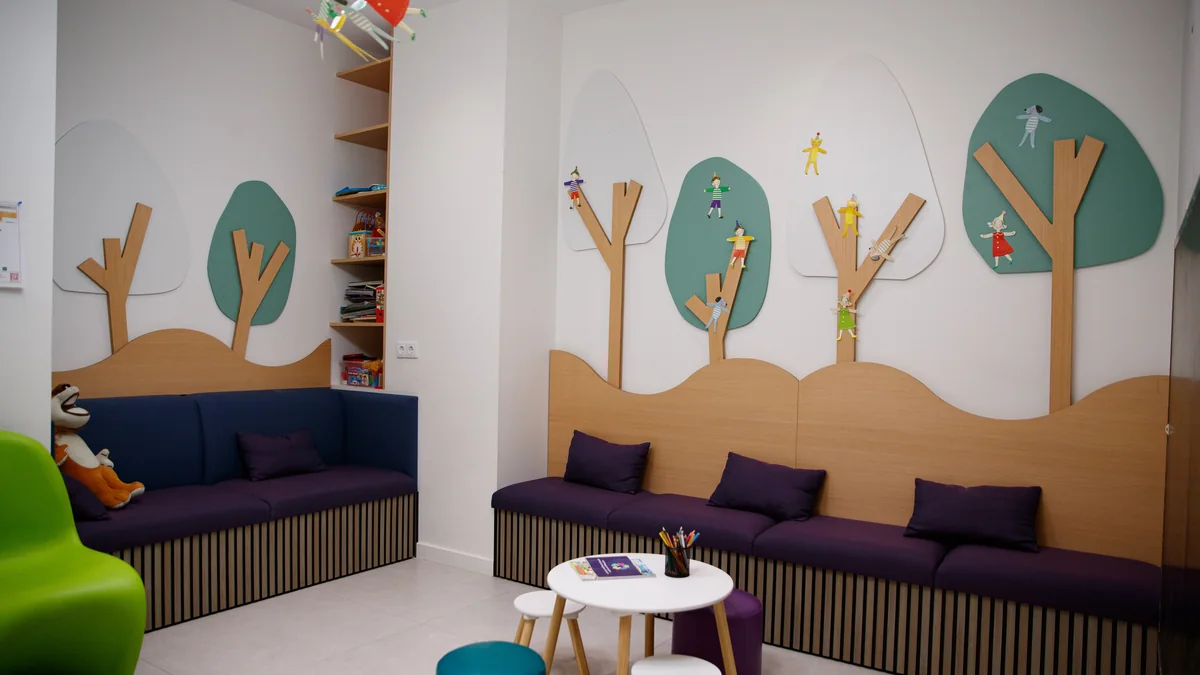
The clinic's orthodontists treat adult patients, while paediatric orthodontists work with children and teenagers. A separate space operates for younger patients, where a comfortable, colourful and cheerful environment has been created for them.
Treatment with braces takes a certain amount of time, and along this path open communication between the orthodontist and the patient is one of the main priorities for our team.
Book a consultation with an orthodontist
Placing braces is planned after a consultation with an orthodontist. During the visit, an orthodontist at NB Dental - Nino Beridze's Clinic will assess the condition of your teeth and bite and tell you what kind of treatment you need.
To book a consultation, call (032) 2 32 22 27 or write to us at info@nbdental.ge.
The clinic is located in Saburtalo, at 1a Davit Tavkhelidze Street, and is open from Monday to Saturday from 09:30 to 20:00.
Frequently asked questions
From what age can braces be placed?
Placing braces is not limited to a specific age, because teeth straightening is effective in adult patients too. The first visit to a paediatric orthodontist is recommended at the age of 5 or 6, so that the development of the teeth and jaws can be assessed and the time to start treatment determined.
How long does treatment with braces last?
The duration of treatment depends on the condition of the teeth and the bite, so it is different for every patient. The orthodontist will tell you the estimated period after examining the oral cavity and drawing up the treatment plan.
Is wearing braces painful?
The procedure of fixing braces usually does not cause pain. In the first days, or after the system is adjusted, you may feel tension and slight discomfort in the teeth. This sensation gradually passes within a few days. If your gums are often swollen or bleed, you may also need a consultation with a periodontist. Periodontology studies and treats diseases of the gums and the tissues around the tooth.
Is it necessary to fix braces on both jaws?
The orthodontist assesses the position of the teeth and jaws and the bite, takes the goal of treatment into account and, based on this, decides whether braces should be fixed on both jaws or only on one.
Is it possible to choose coloured elastics for braces?
With ligature braces you can choose coloured elastics. The orthodontist replaces them at scheduled visits, so if you wish you can choose a different colour every time. Children and teenagers especially enjoy this process.
How often do braces need to be activated?
Braces are not activated at the same frequency for every patient. The orthodontist sets the interval between visits according to the type of system, the stage of treatment and the movement of the teeth.
Braces or aligners?
Teeth can be straightened with both braces and aligners, but the way they are worn is different. Braces are fixed to the teeth and the patient cannot remove them, while aligners are transparent, removable trays. The choice does not depend only on appearance and the way they are worn. The orthodontist assesses the condition of the bite, the required movements and the goal of treatment, and based on this determines which method is suitable in the specific case.