


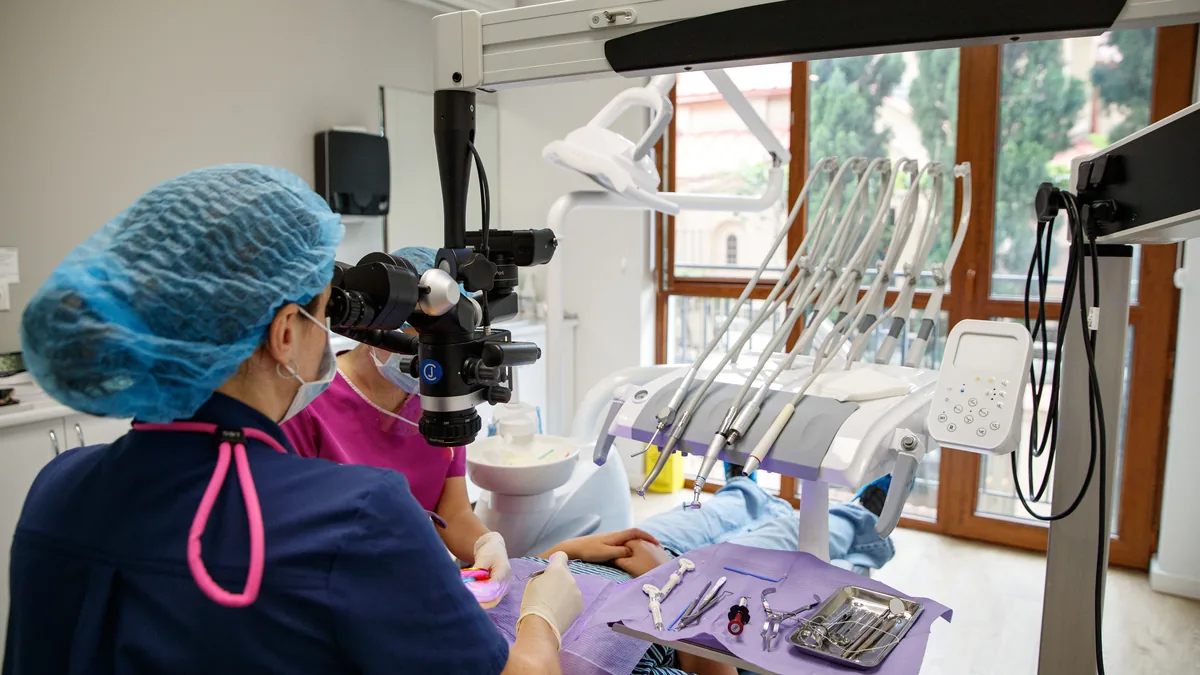
Therapeutic or artistic restoration is a modern dental procedure used to restore damaged or aesthetically altered teeth. This method allows you to restore the natural shape, colour and structure of the tooth using a special composite material.
Artistic restoration is especially popular in aesthetic dentistry, because the result is as close as possible to a natural tooth and improves the appearance of the smile.
Sometimes even a small change in the shape or colour of a tooth is enough to make you feel awkward when you smile. The reason may be a chipped edge, an old and discoloured filling, or a gap between the teeth. Fortunately, such minor imperfections can be corrected with artistic tooth restoration, and at the NB Dental dental clinic a single visit is often enough.
What is artistic tooth restoration?
During artistic restoration, the dentist restores the shape, colour and surface of the tooth with a composite filling material that closely resembles natural enamel. The dentist applies the composite in thin layers only to the damaged or corrected part and gradually gives the tooth the desired shape. The intervention affects only the damaged area, so healthy tissue is almost untouched, which is one of the main advantages of this procedure.
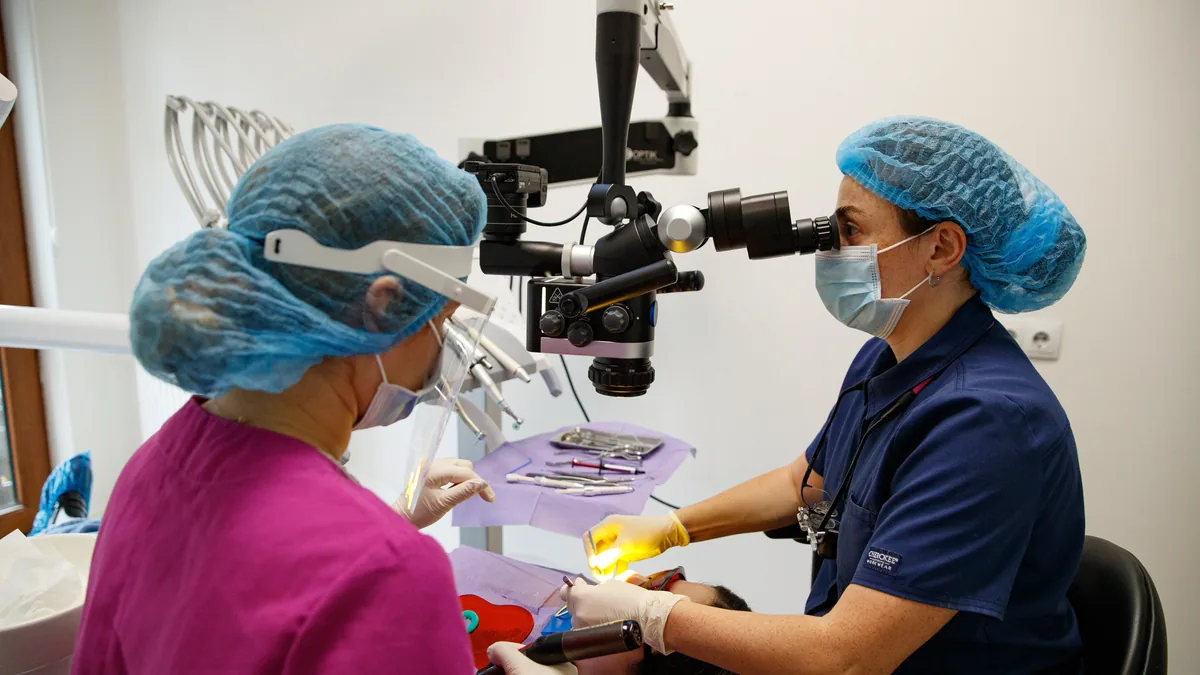
Artistic tooth restoration takes on average 1 to 1.5 hours. The tooth requires only light preparation beforehand, so the procedure is mostly painless; if necessary, however, the dentist will also use local anaesthesia.
When is artistic restoration needed?
This procedure can be used both to restore a damaged tooth and to correct imperfections in its shape and colour.
A dentist may recommend artistic tooth restoration if:
- your tooth is chipped or a crack has appeared on its surface;
- the tooth or an old filling has changed colour;
- you have a gap between your teeth, known as a diastema or trema;
- caries or another form of damage has changed the shape of the tooth;
- the enamel of the tooth has worn down.
Artistic tooth restoration or correction with veneers?
To correct the shape and colour of a tooth, veneers are used alongside artistic restoration. A veneer is a thin ceramic plate that the dentist bonds to the front surface of the tooth and, unlike with artistic restoration, the enamel is lightly prepared for this.
The procedures also differ in the number of visits required. For example, a veneer is made in a laboratory and several visits to the clinic are needed to fit it, whereas artistic tooth restoration is usually completed in a single visit.
It should also be noted that ceramic is more durable than composite, retains its colour longer and wears down less, so if the imperfection is prominent or you want to change the shape and colour of several teeth, the dentist may recommend veneers.
If the problem is related to a pathological bite, neither artistic restoration nor veneers can change the alignment of the teeth, so you may need orthodontic treatment. When choosing the method, the dentist will assess the condition of the tooth and the oral cavity, take your wishes into account and tell you which method will be the most effective.
How long does the result last and how should you care for it?
With proper care, a restored tooth keeps its shape and colour for years. However, the durability of the result is influenced by oral hygiene, eating habits and how much load is placed on the restored tooth.
To preserve the result of the restoration, the best dentists at NB Dental recommend that you:
- brush your teeth twice a day and use dental floss or an interdental brush every day;
- limit coffee, tea, red wine and other dark-coloured drinks during the first days after the restoration;
- avoid chewing very hard food, because excessive load may crack the composite;
- visit the dentist once every six months for a preventive check-up. During the visit the dentist will assess the condition of the restoration and, if necessary, polish its surface again.
Artistic tooth restoration at NB Dental
At NB Dental, artistic tooth restoration is performed by dentists experienced in aesthetic dentistry who work with modern technologies and high-quality composite materials.
Come to a consultation, where the dentist will assess the condition of your oral cavity, listen to your wishes and answer your questions in detail. Together you will then discuss which tooth needs to be restored, how the procedure will go and what result you should expect. Throughout the visit, our team will make sure that you feel calm and comfortable.
If you would like to improve the shape or colour of a tooth, book a visit with a dentist. Call us on 032 2 32 22 27 or write to us at info@nbdental.ge. The clinic is located in Saburtalo, at 1a David Tavkhelidze Street, and is open from Monday to Saturday, from 09:30 to 20:00.
Frequently asked questions
How much does artistic restoration cost?
The price of artistic restoration depends on the number of teeth to be restored, the extent of the damage and whether additional treatment is needed. During the consultation, the dentist will assess the condition of your teeth, draw up a treatment plan and tell you the exact cost of the restoration.
Is the procedure painful?
If necessary, the dentist will use local anaesthesia, so you will not feel pain during the procedure. If the tooth only needs a small surface correction, anaesthesia is usually not required.
Is the procedure performed on both vital and non-vital teeth?
Artistic restoration is performed both on vital, that is living teeth, and on devitalised teeth from which the nerve has been removed. On a living tooth, artistic restoration usually lasts longer, because the tooth tissue is nourished through the blood vessels. In the case of a devitalised tooth, the dentist first checks the quality of the root canal treatment and only then plans the restoration.
If my teeth are spaced or misaligned, do I need to straighten them first?
A small gap can sometimes be closed with composite, so straightening the teeth is not always necessary. If the problem is related to their alignment or bite, you will need orthodontic treatment before the restoration. In such a case, the orthodontist will assess the condition of the oral cavity during the consultation and tell you how the treatment should continue.
Is artistic restoration performed on children and adolescents?
Yes, although the paediatric dentist must first assess the condition of the tooth and its stage of development, and then choose the restoration method. At the NB Dental KIDS branch, the oral health of little patients is looked after by paediatric dentists.
Does composite change colour, and can teeth be whitened after a restoration?
The colour of the composite may change slightly, especially if you often drink coffee, tea or red wine, or eat dark-coloured food. Whitening lightens only the natural enamel, while the colour of the composite remains unchanged, so if you are also planning to whiten your teeth, the procedure should be carried out before the restoration. To refresh the colour of the composite, the dentist will polish its surface or replace the material with a new one.