Naturally, you won’t agree to a tooth extraction straight away, because the decision isn’t easy and needs thought. Some of you try to get more opinions and book a consultation with another orthodontist. Sometimes the opinions match, sometimes they don’t. A doctor may depart from logic and protocol and offer you the treatment you’d prefer, without surgery. What will this lead to???
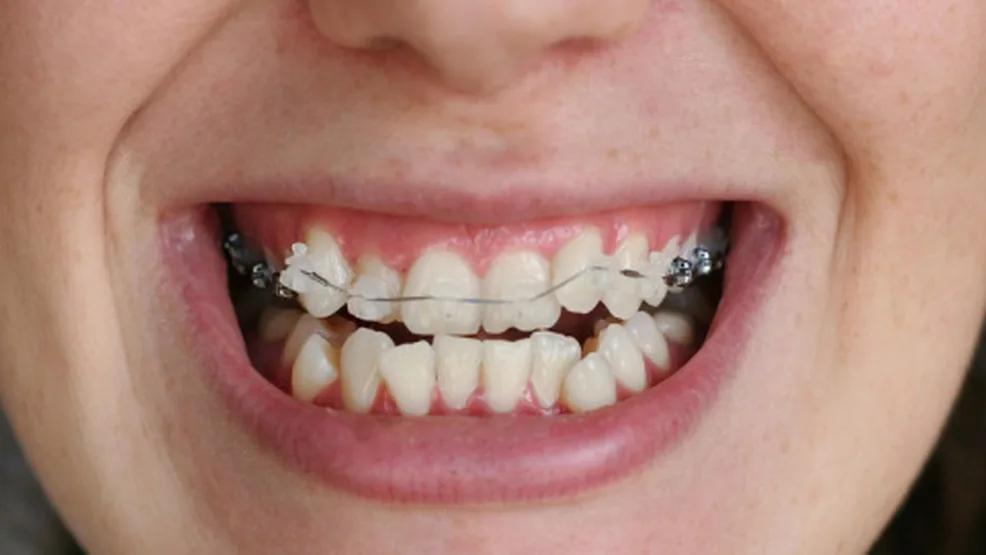
Teeth that aren’t extracted may later cause a number of physiological problems. A brace system mechanically compensates even for quite severe crowding, but the outward inclination of the teeth is disrupted, and over time uncompensated tension builds up in the periodontium (gums).
So the prognosis of such treatment is unreliable. Think carefully before you make a decision.
For optimal, predictable and successful orthodontic treatment, extraction is necessary in some cases.
Let’s look at the reasons an orthodontist may suggest extracting teeth:
- Mismatch between the upper and lower dental arches (in size and occlusion)
- Not enough space in the dental arch;
- For aesthetic or symmetry reasons;
- Preventing a relapse of bite anomalies
To avoid the problems listed above, during orthodontic treatment the patient is advised to have 1 or 2 matching teeth extracted in one or both jaws.
Which teeth patients are usually advised to have extracted:
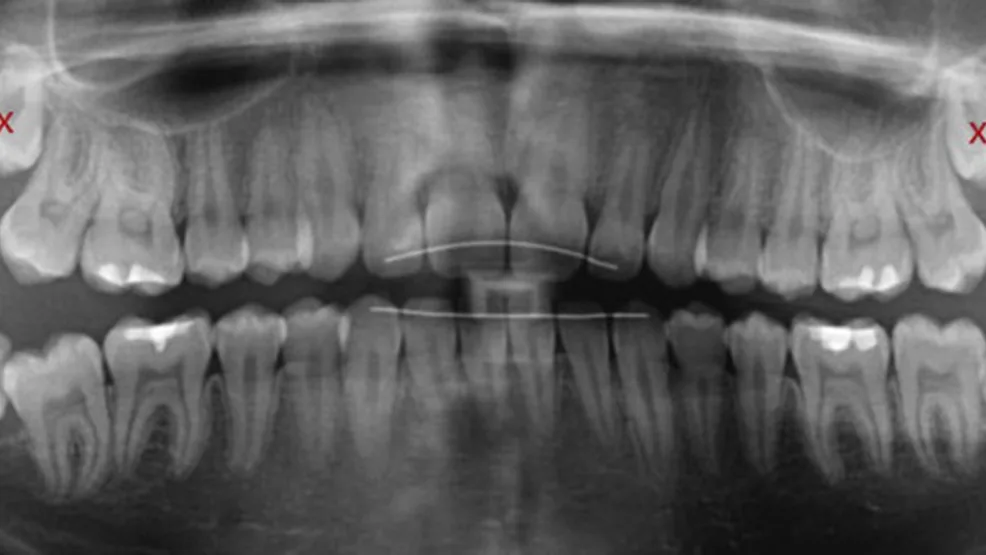
- The first candidate for extraction is the third molar (wisdom tooth). As a rule, these teeth are positioned incorrectly – strongly tilted, impacted, ectopic: half in the gum, lying sideways, unerupted or partially erupted. They create, or will create, foci of inflammation. Third molars are extracted when they are not in the bite, when they have no opposing tooth, when the tooth is badly decayed and when it has no functional load. If the neighboring second molar is healthy, it isn’t worth fighting for this tooth.
- First or second premolars (teeth 4-5). These teeth bear relatively less chewing load and have relatively small roots.
- First molars (teeth 6), if they are badly decayed or have inflammation at the root tips.
- In some cases, incisors are also extracted, if the patient has supernumerary (extra) teeth.
There’s no need to worry about the gaps that appear between the teeth, let alone refuse orthodontic treatment – the gaps will definitely close, and until then temporary appliances can be used to hide the visual defect.
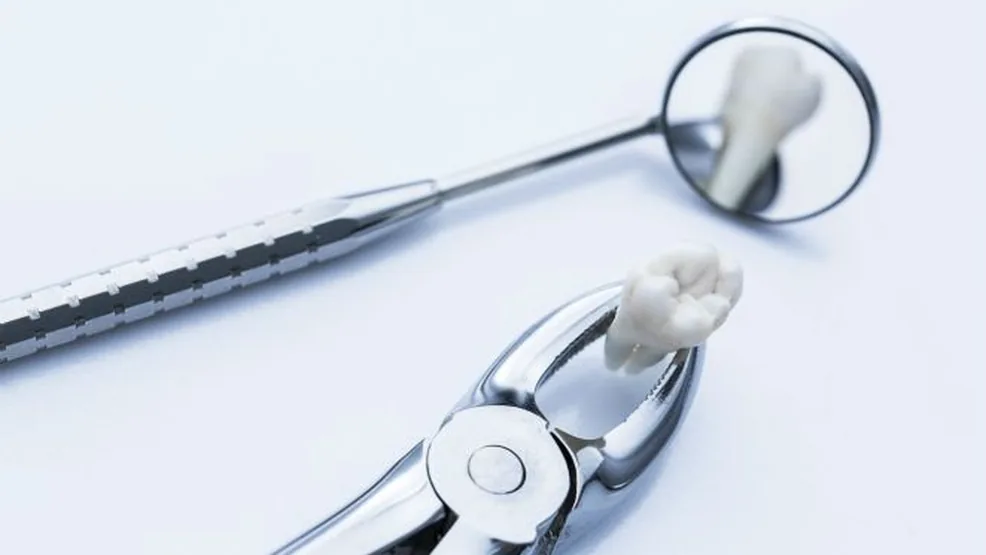
With some complex bite disorders, orthodontic treatment alone isn’t enough. Such patients need a comprehensive approach, both orthodontic and surgical.
In complex cases, the surgeon and orthodontist review all available objective data showing the condition of the upper and lower jawbones, the temporomandibular joint, the periodontium, the facial skull and the soft tissues. The patient has teleradiography, orthopantomography, computed tomography and photos from different angles, and diagnostic models of the upper and lower jaws are cast.
All of the above makes it possible to assess the situation at that moment. The doctor also compares how things may develop in the long term with and without treatment.
In any case, you should know that the orthodontist takes every detail and nuance into account before making a decision.
Trust your doctor and help them: follow all their instructions and recommendations, come to consultations on time and don’t miss appointments.