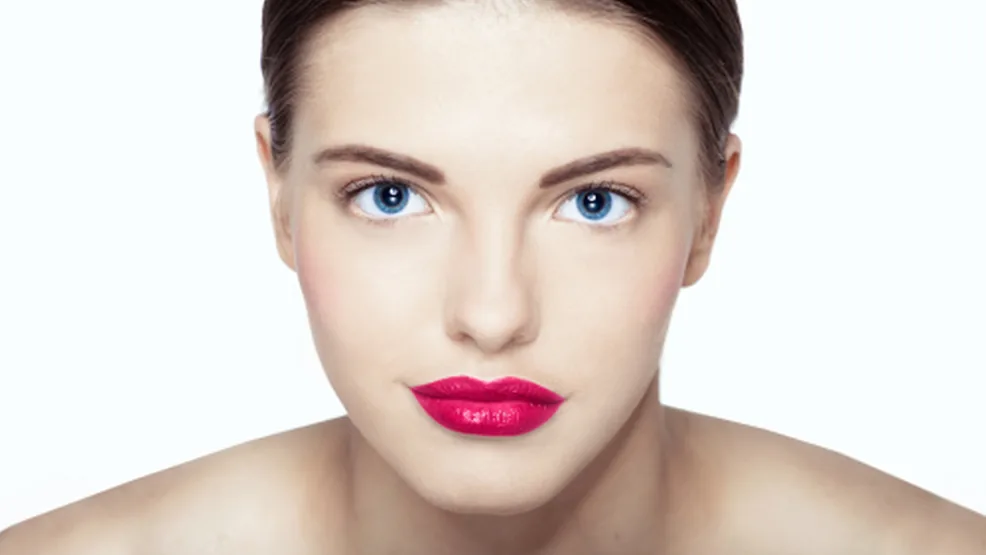
It is known that the soft tissues of our face and our whole appearance are directly linked to the facial skull, and the correct relationship between the upper and lower jaws plays a big role in all of this. It’s not hard to guess that an incorrect bite is exactly what causes such unpleasant problems as an overdeveloped chin, sunken cheeks and thin lips. What’s more, incorrect alignment of the teeth can cause premature signs of aging, in the form of expression lines and deep wrinkles. As you know, there are several types of incorrect bite, and each causes a different type of facial deformity. Let’s look at how each of them affects a person’s appearance.
A small chin and drooping corners of the mouth
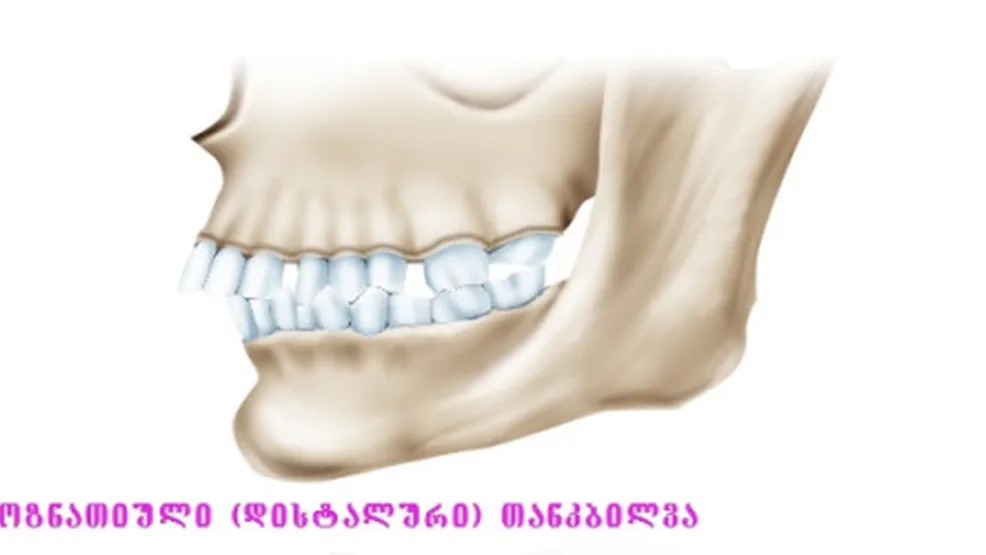
Let’s start with bite anomalies caused either by an underdeveloped lower jaw or an overdeveloped upper jaw: distal bite and deep bite. A distal, or prognathic, bite is a bite anomaly in which the alveolar ridge of the upper jaw and the front teeth protrude significantly forward. With this bite, the chin looks smaller and the upper lip protrudes a lot. Whether a person with this bite is angry or happy, they look surprised or uncertain. A distal bite also distributes chewing forces incorrectly, so the back teeth wear down more than the front ones. This makes the bite “deepen”, which ends with the corners of the mouth drooping.
A visually smaller (shorter) face
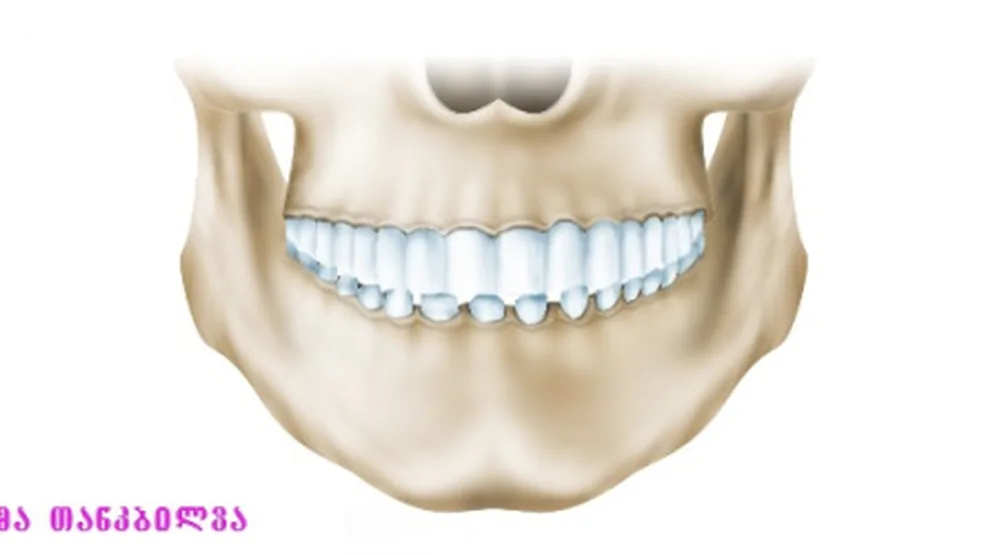
As for a deep bite, its characteristic sign is that the upper incisors overlap the lower incisors by more than half, while the norm is a 1/3 overlap. This may apply not only to the incisors but also to the back teeth. With this bite, the face is shortened and the lower lip is almost turned out, because it has no room left. If a person with this bite doesn’t have a high forehead, their face looks very small, and with a high forehead there is an obvious disproportion between the upper and lower parts of the face. With a deep bite, if a person tries to hold their lips so the lower lip doesn’t turn out, the lips narrow and the face looks even smaller.
A “large chin”
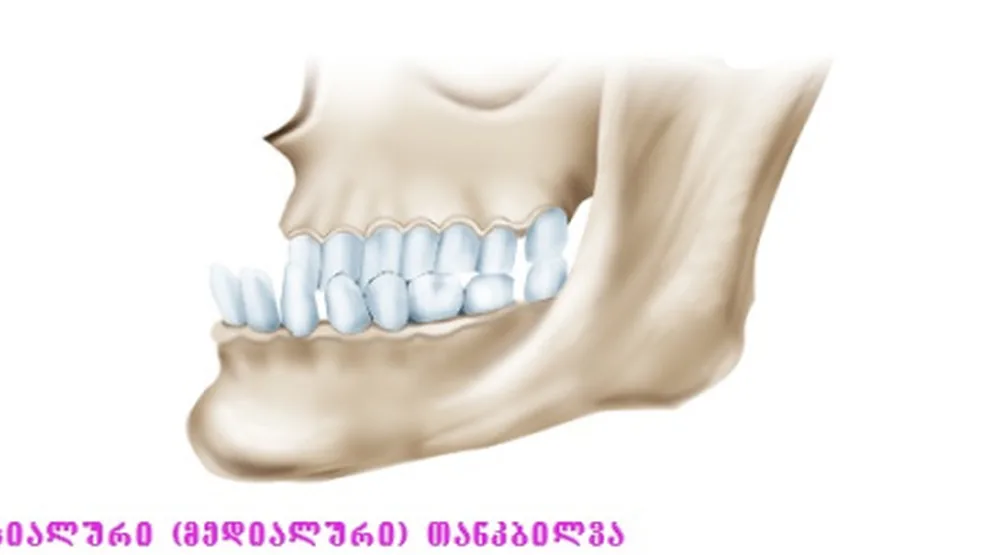
The next bite anomaly is mesial. With this bite, the lower jaw protrudes further forward than the upper, which also affects the chin. A chin pushed forward looks bigger. With this bite, the temporomandibular joint is overloaded, which in turn puts strain on the neck muscles. The face has either an angry or an offended expression.
Sunken cheeks and a stained mouth
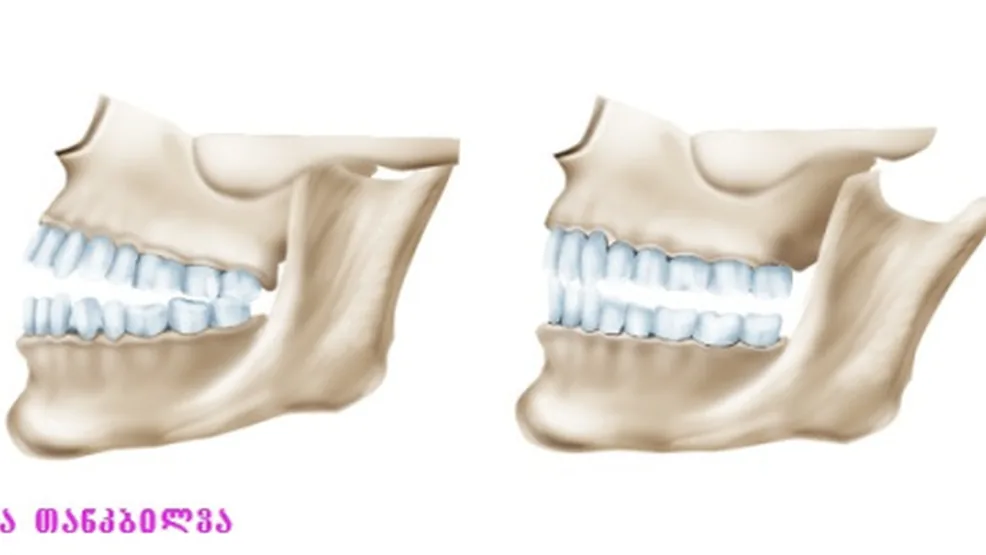
Let’s look at a tooth position such as an open bite. A bite is called open when either the front or the back teeth don’t touch, i.e. there is a gap between the dental arches. If the gap is between the front teeth, the person’s mouth is always open, and as a result their lips are dry. The facial expression looks surprised. If the gap is in the back teeth area, the result may be sunken cheeks, as with missing teeth.
Facial asymmetry
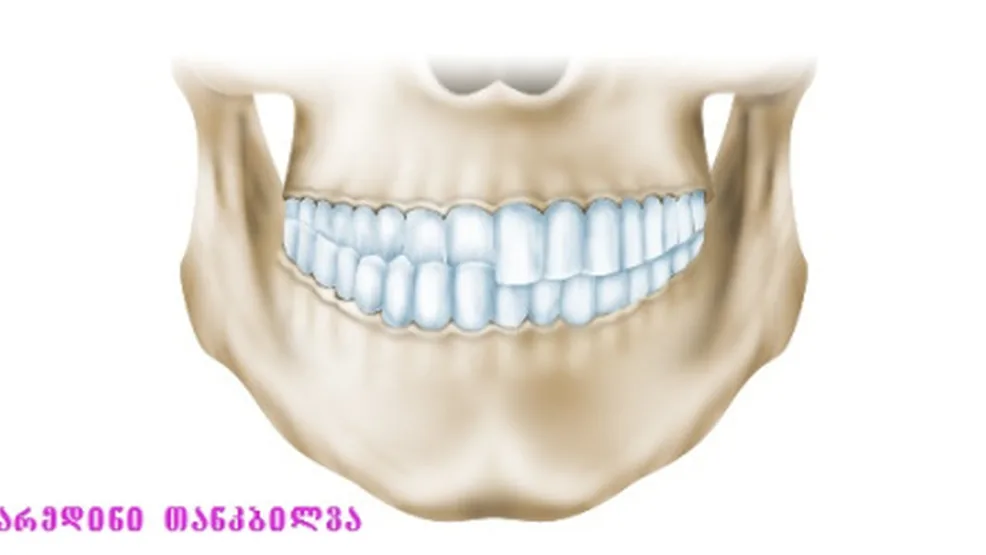
The main list of anomalies is completed by the crossbite, caused by uneven development of the right or left side of the upper or lower jaw. A crossbite can be either two-sided or one-sided, and may involve both the front and back teeth. The essence of the anomaly is that the upper teeth no longer overlap the lower ones correctly. Besides a marked shift of one jaw relative to the other, a crossbite comes with heavier chewing on one side. This in turn causes excessive wear of the teeth on that side, which further increases facial asymmetry.
Is it worth correcting your bite?
Although correcting the bite in adults is more difficult and takes longer than the same procedures in children, believe us, it’s worth it. Because besides all the aesthetic problems listed above, bite anomalies can cause temporomandibular dislocation and curvature of the spine. In the future, these anomalies lead to various problems: difficulty chewing, bruxism (teeth grinding) and joint “clicking”, pain in the neck and spine, headaches, more frequent dental disease and worse speech – and against this background, a person’s self-esteem and relationships suffer. That’s why it makes sense to see an orthodontist – a specialist in the diagnosis, prevention and treatment of jaw and facial anomalies. Besides improving quality of life, relieving pain, eliminating speech defects and improving oral health, correcting the bite will restore the symmetry and proportions of the face, rid you of inappropriate facial expressions and prevent premature aging of the facial skin and muscles, which will certainly make you more attractive.