Filling, as the process of filling a cavity or covering a defect, involves using various types of materials. The aim of a filling is to seal the inner structures of the tooth, isolate them from the environment, and restore the tooth’s shape, function and color.

By purpose, modern filling materials are divided into 4 groups: materials for direct and indirect fillings, sealants and materials for filling root canals.
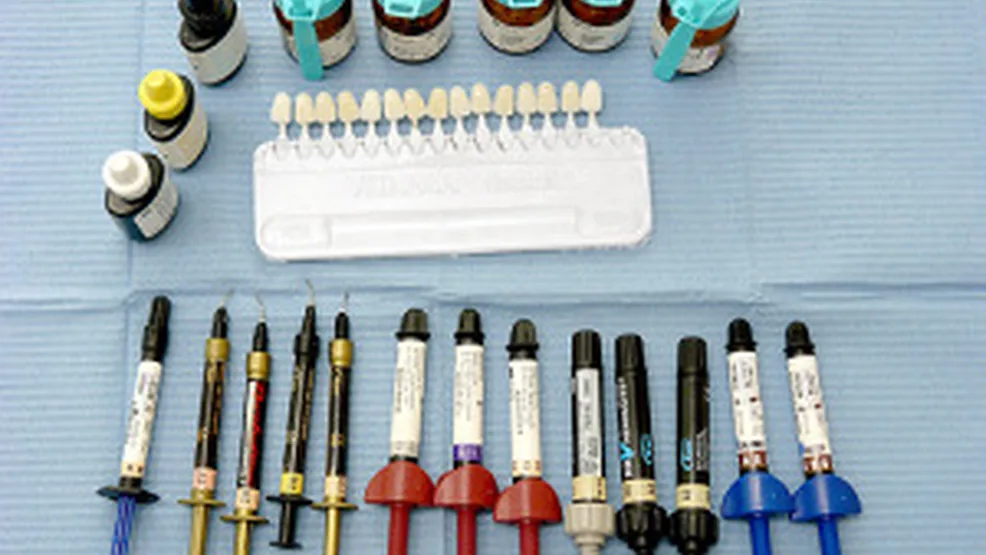
Materials for direct fillings:
1. Temporary filling materials;
2. Liner materials;
3. Permanent filling materials;
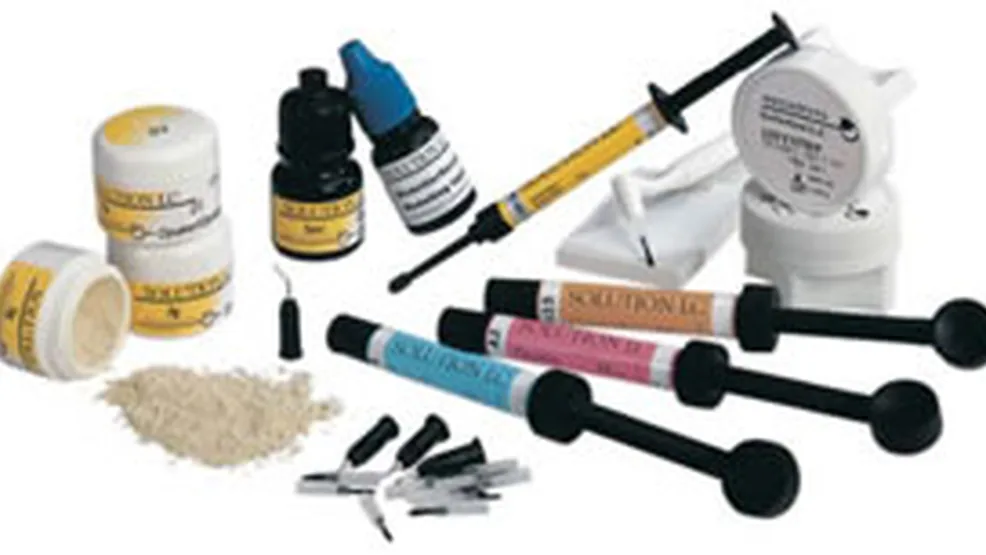
Let’s look at each of them:
Temporary filling materials are used when a tooth can’t be treated in a single visit. They are used to seal or fill defects in the hard tissues of the tooth for a short time. Depending on how long they stay in place, dressings and temporary fillings are distinguished. Dressings are placed for 1-14 days, and temporary fillings for anywhere from a few weeks to six months. Light-cured temporary materials have now been developed that are easy to place and remove.
Liner material is used to create an intermediate layer between the main filling material and the tooth tissues. This layer is needed for biological, aesthetic and strength reasons. The liner has a separating (insulating) function. Liner materials are in turn divided into therapeutic and insulating liners.
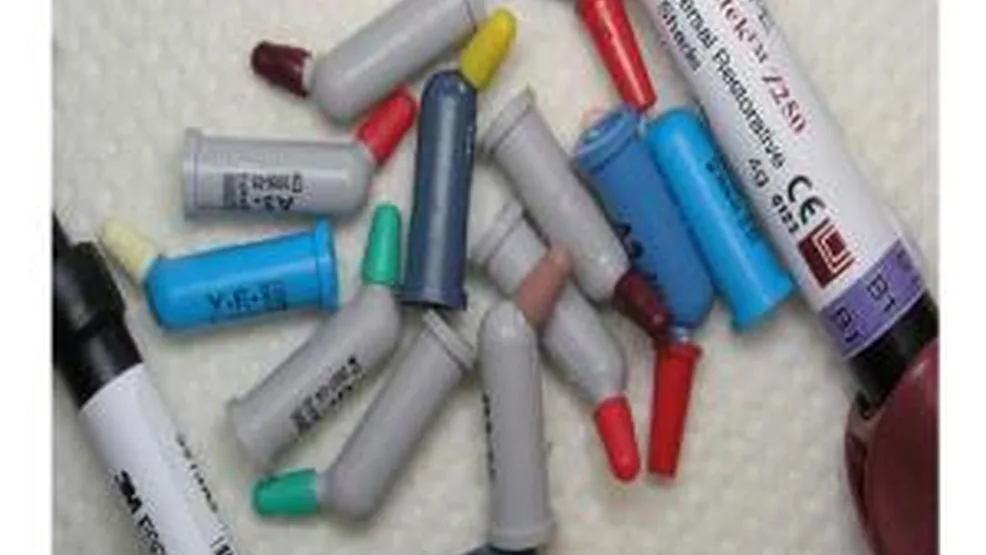
A therapeutic liner has a therapeutic and protective function, first of all for the living pulp (nerve) of the tooth.
Materials for permanent fillings
Today there are many modern filling materials on the dental market that stand out for their high strength and safety. They are used to restore teeth, including teeth damaged by caries.
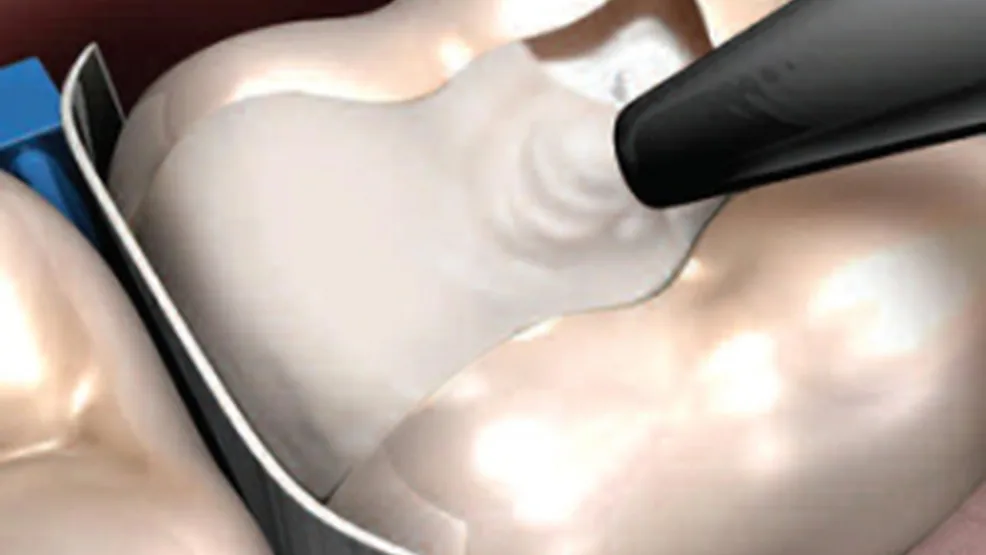
By composition, permanent fillings are divided into:
1. Cement – the most popular today is glass ionomer cement. It helps preserve the tooth structure through remineralization and also meets aesthetic requirements.
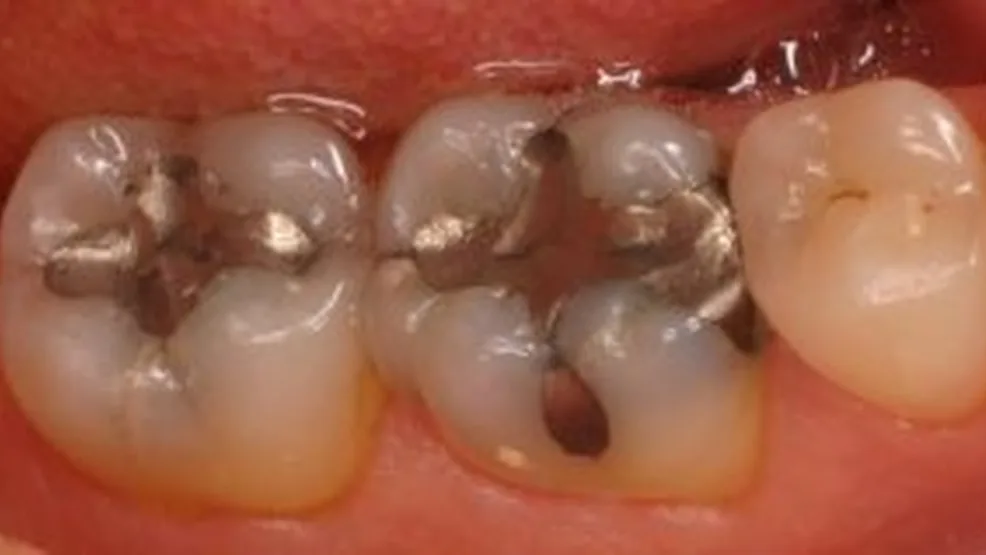
2. Metal (amalgam) – an alloy of one or more metals with mercury. All amalgams have high mechanical strength, but their color really doesn’t stand up to criticism. These fillings are no longer placed in Georgia, though everyone has probably seen them. In the West they are widely used, and insured patients are given only this type of filling.
3. Polymer filling materials:
- Plastics – in dentistry, plastics traditionally refer to materials based on acrylic or epoxy monomers. They are characterized by low monomer molecular weight, toxicity, lower strength and unstable color, and because of their high wear and water absorption, they can become a suitable environment for certain microorganisms in the mouth.
- Chemically activated composites (chemical, self-curing). These mainly come as a paste-paste system. One component contains a chemical activator, and the other a polymerization initiator. Mixing them triggers the polymerization reaction.
- Light-cured composites (light-curing, photopolymers, helio-materials) are single-component pastes made and packaged at the factory. Polymerization is triggered by visible blue light with a wavelength of 450-550 nm. Under the light, the polymerization initiator breaks down and triggers a series of reactions that produce free radicals and polymer chains. The advantages of these fillings are a wide range of shades, high strength and excellent aesthetic quality. Another plus is their high color stability.

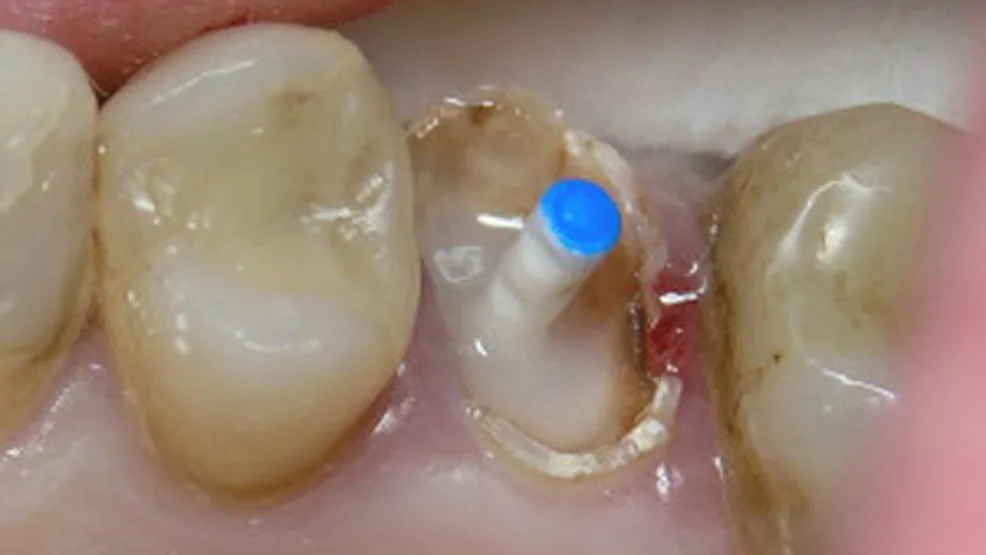
Besides ordinary fillings, badly decayed teeth are restored with a post. This may be a metal or fiberglass post. For this, the canal must be filled, and the tooth is reinforced with the post.
Before placing a filling, the dentist cleans out the carious cavity with a drill. Then the tooth is disinfected and, finally, filled.
For your filling to last a long time, it is best to follow these rules:
- Keep up oral hygiene: brush your teeth twice a day, in the morning after breakfast and in the evening before bed.
- Use additional hygiene products: floss (dental thread), interdental brushes or an irrigator. It’s almost impossible to clean every space with a toothbrush alone.
- Have a professional teeth cleaning twice a year.